Generator Installation Mistakes: What to Avoid With Sizing, Wiring, and Transfer Equipment
Generator installation mistakes often involve incorrect sizing, unsafe wiring, improper transfer equipment, and missed code requirements; Santa Ana Electrician checks the load, connections, grounding, and transfer method before completing the installation.
Get a Free Estimate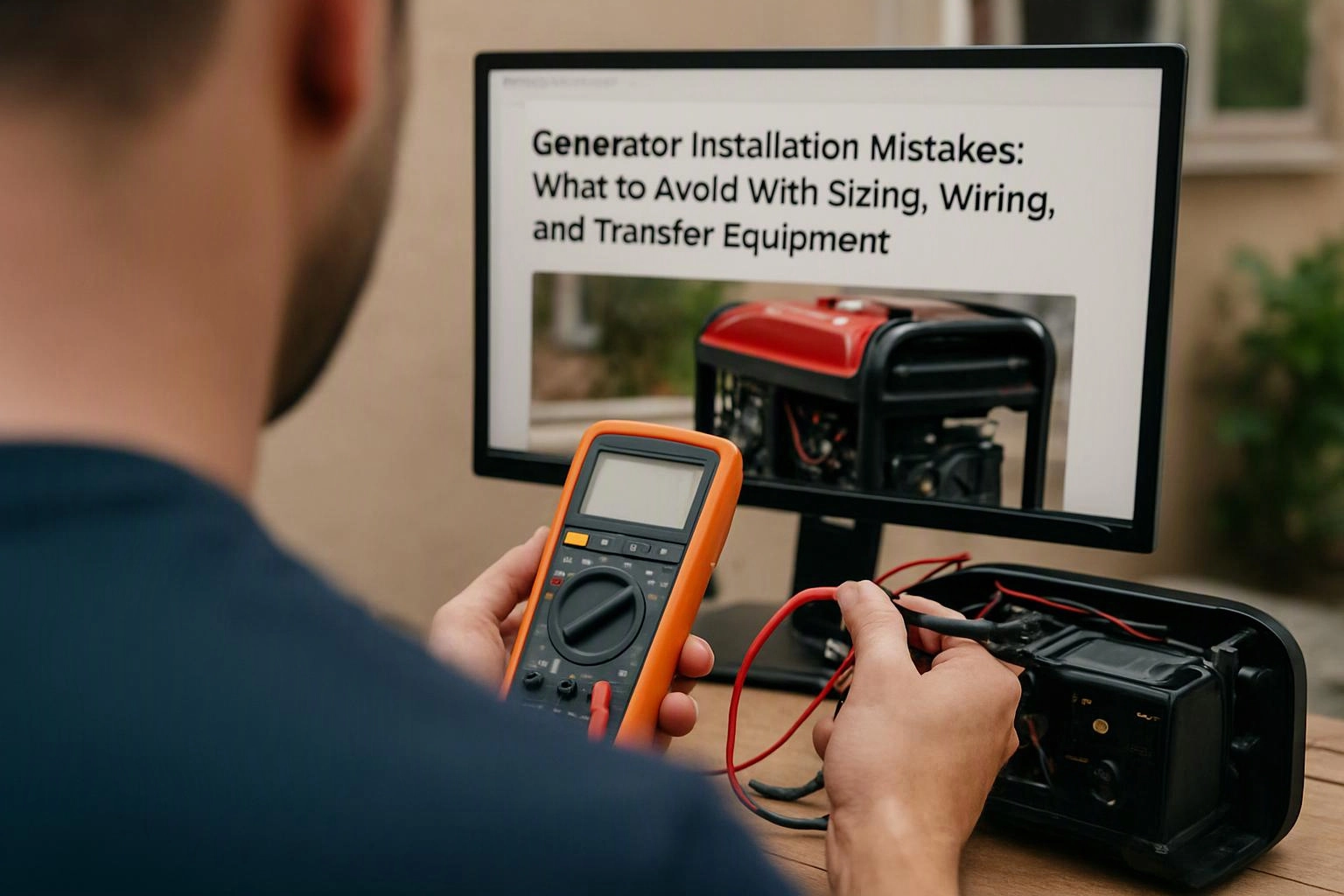
Why Generator Installation Mistakes Matter
Generator installation mistakes can damage equipment, create shock or fire hazards, and prevent selected circuits from receiving safe backup power. Santa Ana Electrician reviews the system before we connect a standby generator or portable generator to a home.
A standby generator can supply backup power through a fixed connection. A portable generator may use an inlet box and a listed transfer method. Both setups require electrical safety, utility isolation, and compliance with the applicable electrical code.
Improper generator setup errors can energize utility lines, overload an electrical panel, or leave critical equipment without power. We identify the unsafe condition and explain the correction before work continues.
The Generator Installation Mistakes We Check First
Generator wiring problems are identified by reviewing the connected loads, conductor sizing, overcurrent protection, transfer equipment, grounding, and required code controls. Our team checks the electrical panel and the complete panel connection, not only the generator itself.
We also inspect the disconnect, feeder conductors, equipment grounding conductor, and bonding path. These checks show whether the installation can provide a safe connection and reliable load management.
Mistake 1: Choosing a Generator Without a Load Calculation
A load calculation determines whether generator capacity can support both the running load and the starting load. Motor loads may draw a strong starting current, even when their running current is lower.
Homeowners often choose a unit from a short appliance list without reviewing the full electrical demand. We calculate the connected loads and account for motor loads before recommending a generator connection.
The correction cost depends on whether the selected generator can support the required load or whether the backup plan must be narrowed. We correct the scope through load management, circuit prioritization, or compatible equipment selection.
Mistake 2: Connecting More Circuits Than the Generator Can Support
Connecting too many circuits can overload the generator and its overcurrent protection. Essential circuits should be selected according to actual demand and generator capacity.
We review the electrical panel, identify essential circuits, and set a practical load management plan. Circuit prioritization may include selected lighting, refrigeration, communications, or other necessary equipment.
The correction cost depends on panel changes, dedicated circuit installation, and the amount of rewiring needed. We make the circuit list clear before completing the connection.
Mistake 3: Backfeeding a Panel Through an Improvised Connection
Backfeeding a panel through a loose cord or improvised connection can send generator power toward utility power. That creates a serious electrical hazard and removes reliable utility isolation.
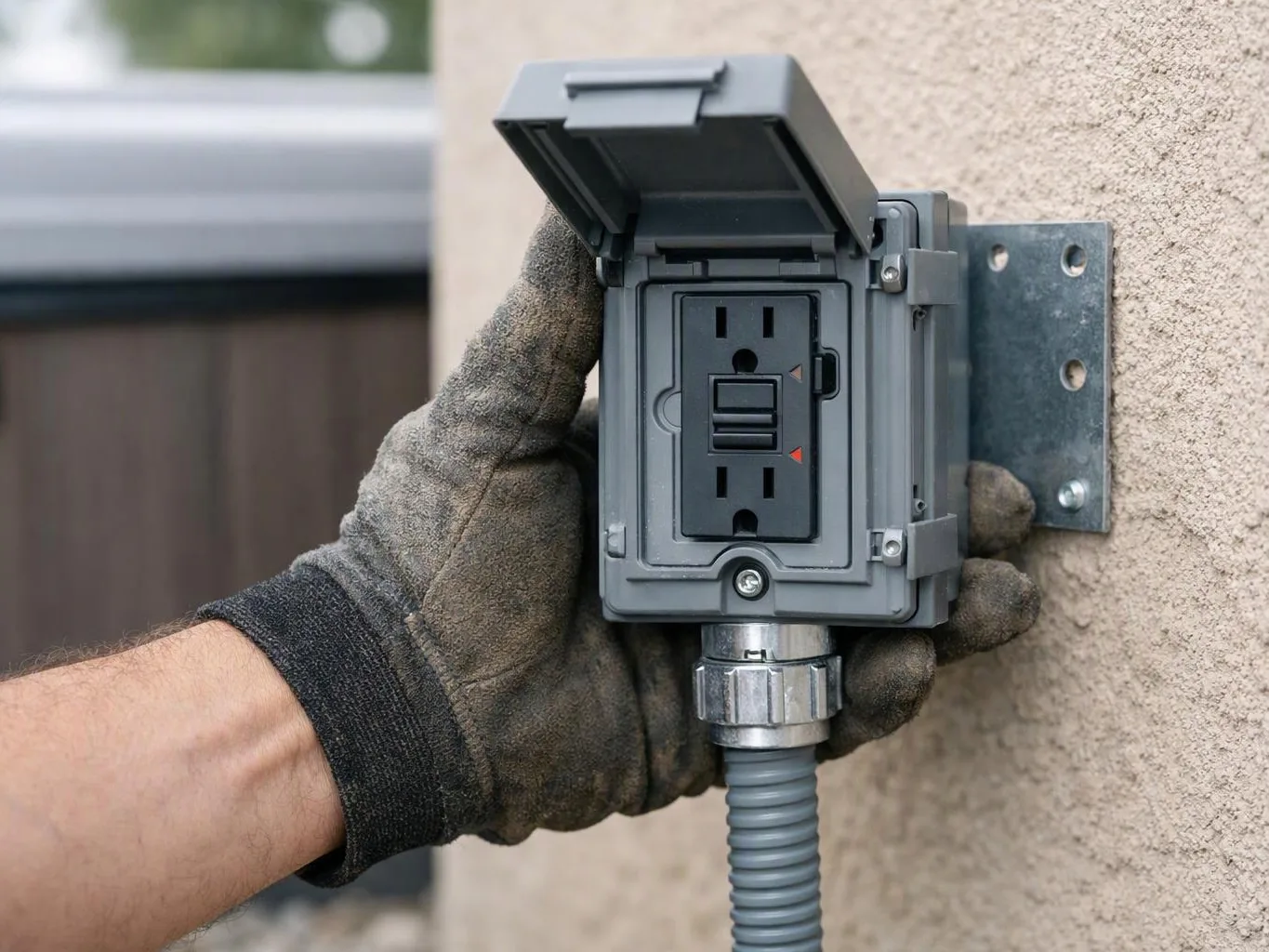
We use an inlet box, main breaker control, and a listed connection method suited to the installation. We do not treat a household receptacle as a substitute for transfer equipment.
The correction cost depends on the condition of the existing panel connection and the wiring route. We remove unsafe connections and install the required isolation equipment.
Mistake 4: Installing the Wrong Transfer Equipment
A transfer switch separates generator power from utility power while directing power to the intended loads. An automatic transfer switch starts and transfers power through automatic operation, while a manual transfer switch requires a user-controlled changeover.
We verify whether the installation needs a service-rated transfer switch, load-side transfer, or another listed configuration. Our team checks utility isolation, neutral handling, and compatibility with the generator and panel.
The correction cost depends on the equipment that must be replaced and the changes needed at the service or load side. We match the transfer equipment to the system design.
Mistake 5: Using Incorrect Wire Size or Conductor Type
Incorrect wire size can leave conductors unable to carry the required current safely. Conductor ampacity, insulation rating, feeder conductors, voltage drop, and conduit conditions all affect the wiring choice.
We inspect the conductor type, routing, terminations, and overcurrent protection. We replace unsuitable wiring and install conductors that match the generator connection and the installation conditions.
The correction cost depends on access to the wiring route, conduit work, and how much of the feeder must be replaced. We explain the required rewiring before starting correction work.
Mistake 6: Leaving Grounding and Bonding Unresolved
Grounding and bonding provide paths for fault current and help keep exposed metal at a safer electrical potential. The equipment grounding conductor, grounding electrode system, generator frame, and neutral-to-ground bond must work together.
We verify the bonding arrangement and confirm that the generator frame and connected equipment have the required grounding path. We correct duplicated or missing bonding points according to the equipment design.
The correction cost depends on the existing grounding electrode system and the access needed for bonding work. We document the grounding correction as part of the installation review.
Mistake 7: Ignoring Generator Placement and Clearances
Generator placement affects combustion air, exhaust, weather exposure, clearance, and carbon monoxide safety. A location that seems convenient may restrict airflow or direct exhaust toward occupied spaces.
We review the generator location, enclosure, exhaust path, and surrounding clearance before installation. We correct unsafe placement conditions and coordinate the electrical work with the equipment requirements.
The correction cost depends on relocation needs, conduit length, site access, and changes to the disconnect or feeder conductors. We identify these site conditions before finalizing the work.
Mistake 8: Skipping Circuit Identification and Transfer Testing
Circuit labeling and transfer testing confirm which circuits receive backup power and whether the system operates safely. Voltage verification and phase sequence checks can reveal connection problems before equipment is relied on.
We label the transferred circuits and perform transfer testing for automatic operation or manual operation. Our team verifies voltage at the appropriate points and checks that the selected loads respond as intended.
The correction cost depends on missing labels, failed transfer testing, and any wiring faults found during verification. We correct the connection and repeat the required checks.
Mistake 9: Treating Permit and Code Requirements as Optional
An electrical permit and electrical inspection help confirm that the generator installation follows the National Electrical Code, local amendments, and equipment instructions. Listed equipment must be installed in its approved manner.
We review permit requirements and prepare the installation for inspection. When an inspector identifies a problem, we complete the code correction and document the work needed for approval.
The correction cost depends on the inspection findings, listed equipment, and amount of rewiring or replacement required. We address the specific code issue instead of masking the underlying hazard.
What Each Generator Mistake Can Cost You
The cost of correcting a generator installation depends on the mistake, the equipment that must be replaced, the amount of rewiring required, and whether code corrections or dedicated circuits are needed. Site access and generator compatibility also affect the repair scope.
The table shows how common problems change the type of work involved. An exact quote requires an inspection of the existing generator wiring and panel connection.
| Mistake | Likely correction scope | Main cost drivers |
|---|---|---|
| Incorrect sizing | Load review and generator compatibility check | Generator capacity and selected loads |
| Unsafe backfeed connection | Listed inlet and transfer connection | Panel work, wiring route, and utility isolation |
| Incorrect conductors | Rewiring and overcurrent protection review | Conduit access and feeder replacement |
| Code or grounding issue | Code correction and inspection preparation | Grounding work, equipment replacement, and labor |
How We Correct an Unsafe Generator Installation
Santa Ana Electrician corrects an unsafe generator installation by assessing the existing system, identifying hazards, documenting the required work, completing the electrical corrections, and testing the finished connection.
Our team explains the repair scope before work begins. Free Estimates Available.
When Should You Call Santa Ana Electrician?
Call Santa Ana Electrician when generator wiring, transfer equipment, or panel connections require inspection, correction, or installation beyond safe homeowner checks. You can review labels and identify essential appliances, but energized panel work requires our team.
We also provide Generator Installation and can review an existing system before you rely on it for backup power.
What to Prepare Before Requesting a Generator Installation Quote
A generator installation quote depends on the generator model, selected circuits, panel configuration, transfer equipment, wiring route, grounding arrangement, and correction work; Santa Ana Electrician provides Free Estimates Available.
Have the generator model and fuel type available when possible. We also need to review the electrical panel, essential loads, existing transfer equipment, site access, and the proposed generator location.
Photos of the generator, panel, disconnect, inlet box, and wiring route can help us understand the starting point. Our team confirms the details during the site assessment and explains what the quote includes.
Questions About Generator Installation Mistakes
Can a generator be connected directly to a home electrical panel?
Yes, a generator can connect to a home electrical panel when a listed transfer method provides utility isolation and the wiring matches the system. Santa Ana Electrician checks the inlet box, transfer switch, disconnect, grounding, and overcurrent protection before completing the connection.
What happens if a generator is too small for the home's electrical load?
A generator that is too small may overload, trip protection, or fail to start motor loads while selected circuits are operating. We complete a load calculation and use essential-circuit selection or compatible generator capacity to correct the plan.
Does a generator need a transfer switch?
Yes, a generator connected to building wiring needs listed transfer equipment or another approved method that provides utility isolation. We select and install an automatic transfer switch or manual transfer switch based on the generator and electrical system.
Can an existing generator installation be corrected without replacing the generator?
Yes, an existing generator installation can often be corrected without replacing the generator when the unit is compatible with the required loads and transfer equipment. We inspect the generator, wiring, grounding, panel connection, and code requirements before deciding the correction scope.
What information does Santa Ana Electrician need to assess generator wiring?
Santa Ana Electrician needs the generator model, fuel type, electrical panel details, selected essential circuits, transfer equipment, wiring route, grounding arrangement, and site access information. Photos and inspection records can also help us plan the assessment.
Generator installation mistakes can affect safety, equipment, code compliance, and the reliability of backup power. Santa Ana Electrician reviews the complete connection and explains the correction needed for a safe result.
Request a Generator Installation AssessmentRelated Resources
How Long Does EV Charger Installation Take in Santa Ana, CA?
How Long It TakesGenerator Installation Timeline: How Long It Takes in Santa Ana, CA
What It CostsHome Generator Installation: Cost, Timeline, and What the Electrician Handles
What It CostsHow Much Does Home EV Charger Installation Cost in California?