How Long Does EV Charger Installation Take in Santa Ana, CA?
EV charger installation time depends on the existing electrical system, charger location, circuit requirements, and inspection needs; Santa Ana Electrician evaluates those conditions before scheduling the work.
Get a Free Estimate
What Determines the EV Charger Installation Timeline?
EV charger installation has a project-dependent timeline. Santa Ana Electrician reviews the home's electrical capacity, the route to the charger, the equipment selected, and any required compliance work before we schedule the installation.
Our electrical assessment includes the electrical panel, available electrical load, grounding, and the proposed charger location. We also determine whether the home needs a dedicated circuit installation, conduit, wiring changes, or panel work.
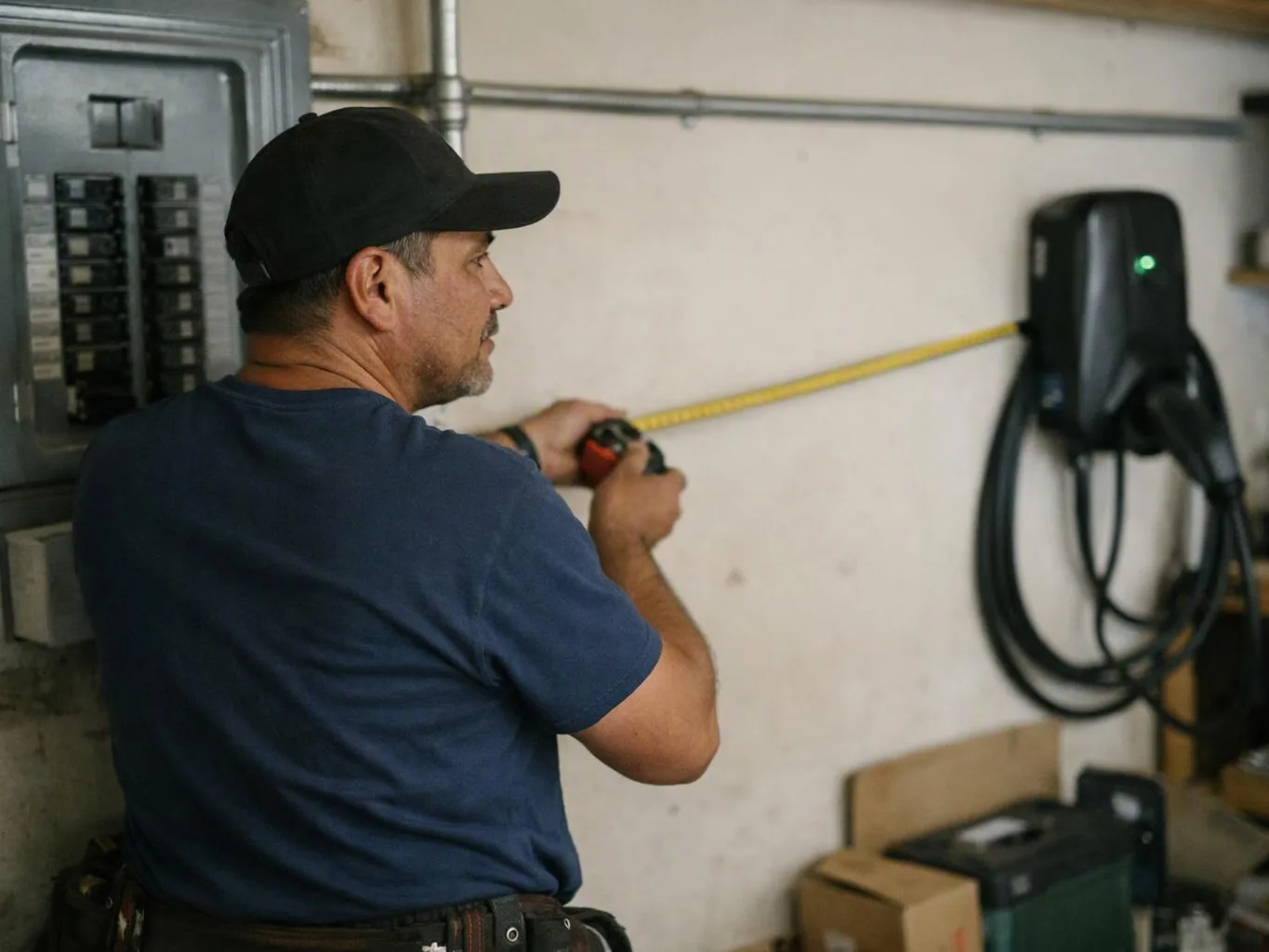
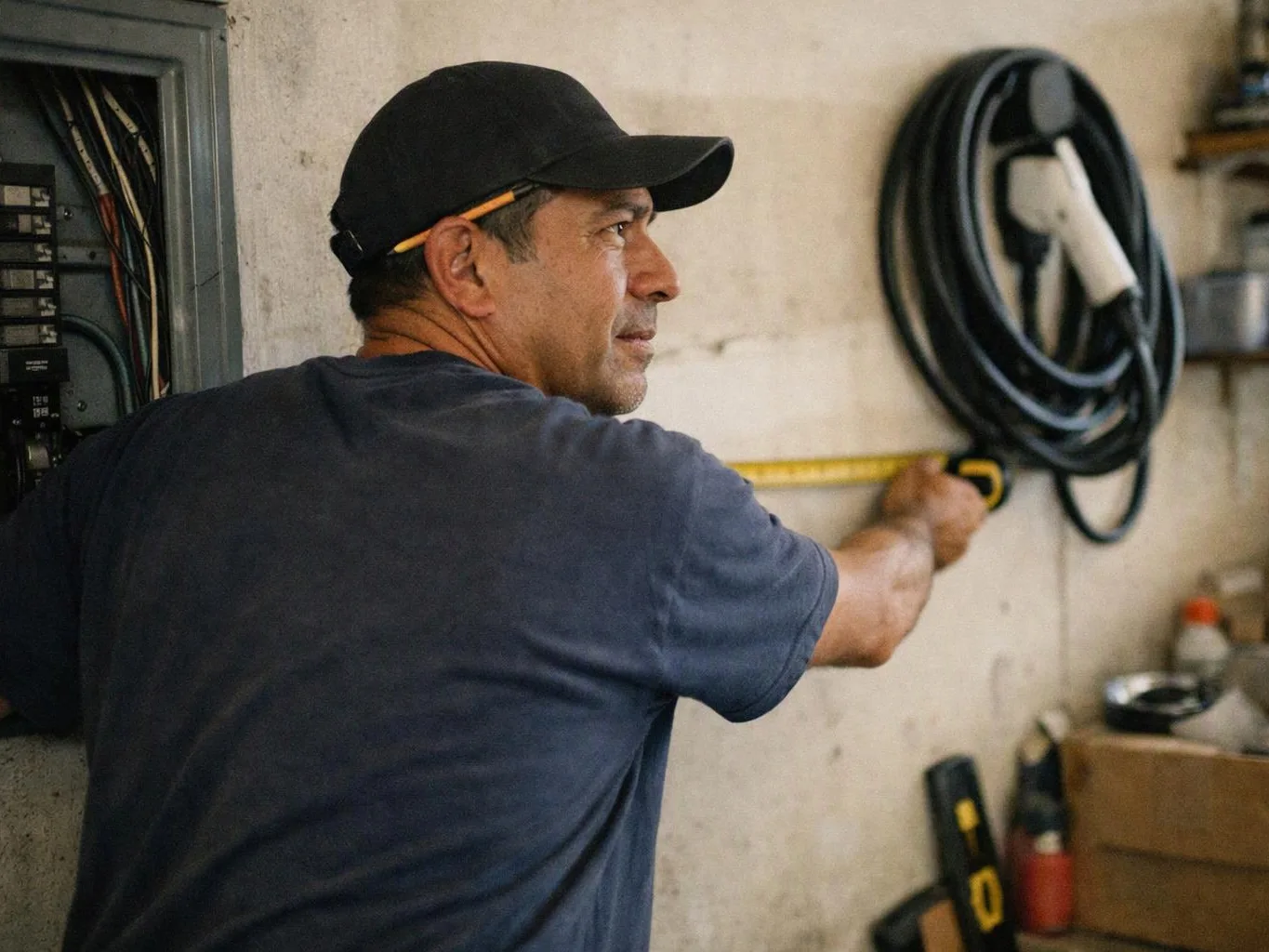
Charger location affects the work when the parking space is separated from the panel or when the wire routing requires access through walls, ceilings, or other structural areas. We use those conditions to plan the installation clearly.
How We Schedule and Complete EV Charger Installation
EV charger installation follows an assessment, preparation, installation, testing, and compliance-check process. Each stage depends on the property's existing conditions and the selected charging equipment.
Our team explains the work needed at each stage so the installation plan accounts for circuit access, charger mounting, wiring, testing, and CALGreen EV charging infrastructure compliance.
| Stage | What We Check or Do | What Changes the Timeline |
|---|---|---|
| Electrical assessment | We review the electrical panel, available capacity, grounding, and the proposed charger location. | Panel condition, circuit capacity, and access to the installation area. |
| Circuit and route planning | We plan the dedicated circuit, conductor route, disconnect requirements, and equipment placement. | Distance, wall access, garage layout, and whether additional electrical work is needed. |
| Installation | We install the dedicated circuit, wiring, protective equipment, and EV charger according to the project requirements. | Surface or concealed wiring, structural obstacles, and the selected charging system. |
| Testing and compliance review | We test the charger and electrical connections and review the completed work for applicable compliance requirements. | Required corrections, inspection coordination, and CALGreen EV charging infrastructure compliance needs. |
Which Project Factors Can Extend or Shorten Installation Time?
EV charger installation moves more efficiently when the electrical system, installation route, and equipment requirements are ready for the planned work. Our team identifies these conditions during the assessment and explains any added preparation.
The following factors can change the installation timeline:
When Does a Dedicated Circuit or Panel Upgrade Become Necessary?
A dedicated circuit or panel upgrade becomes necessary when the existing electrical system cannot safely support the EV charger's required load and protection. We complete a load calculation and review the circuit breaker, panel capacity, grounding, and charging equipment.
Dedicated circuit installation gives the EV charger the circuit and protection specified for the system. When the panel cannot support the added electrical load, our team explains the panel upgrade or other electrical work needed before connection.
How Do Compliance and Inspection Needs Affect the Project?
Compliance and inspection needs affect EV charger installation when the property or project requires additional electrical, equipment, or documentation review. We check the completed work against applicable electrical code requirements and coordinate the inspection process when needed.
CALGreen EV charging infrastructure compliance may affect equipment placement, wiring, or EV-ready infrastructure requirements. Our team records the installation details needed for the applicable review and addresses corrections identified during testing or inspection.
What Should You Have Ready Before We Assess the Installation?
You can help the EV charger assessment by identifying the charger model, parking location, electrical panel, and preferred charging setup. These details help us review the charging requirements and plan the site visit.
Have the following information ready:
How Santa Ana Electrician Provides an Installation Estimate
Santa Ana Electrician provides a free estimate after reviewing the electrical system, charger location, circuit route, equipment requirements, and compliance needs. We use the assessment to explain the planned dedicated circuit installation and any panel work required.
Our estimate accounts for the electrical panel assessment, wire routing, charger mounting, protective equipment, testing, and inspection coordination. Request an estimate through our contact page so we can review the project conditions directly.
EV charger installation planning is clearer when the charging system and parking space are identified before the assessment. Santa Ana Electrician then creates a project-specific installation plan based on the home's electrical capacity and the selected equipment.
Questions About EV Charger Installation Time
What information does Santa Ana Electrician need to assess an EV charger installation?
Santa Ana Electrician needs the EV charger model, parking space, electrical panel location, property access details, and preferred charging requirements. We use this information to plan the electrical assessment and review the circuit route.
Can an EV charger be installed without a dedicated circuit?
No, an EV charger installation requires the circuit and protection specified for the charging system. We review the electrical load and install a dedicated circuit when the equipment requires one.
When does EV charger installation require an electrical panel upgrade?
EV charger installation requires an electrical panel upgrade when the existing panel cannot safely support the charger's electrical load and protection requirements. We complete a load calculation and explain the panel work needed before connecting the charger.
Does bidirectional EV charging require different installation planning?
Yes, bidirectional EV charging requires additional planning for equipment integration, electrical protection, controls, and the home's intended energy setup. We review those requirements before scheduling bidirectional EV charging system installation.
What does an EV charger installation estimate include?
An EV charger installation estimate includes the electrical panel assessment, charger location, wire routing, dedicated circuit installation, equipment requirements, testing, and compliance needs. We provide free estimates after reviewing the project conditions.
Plan Your EV Charger Installation
Santa Ana Electrician reviews your electrical panel, charger location, circuit route, equipment, and inspection needs before we schedule the work. Contact us for a free estimate tailored to your home EV charger setup.
Related Resources
How Much Does Home EV Charger Installation Cost in California?
How It WorksHow Dedicated Circuit Installation Works and What It Costs
How It WorksPool and Hot Tub Electrical Installation: Process, Cost Factors, and Scheduling
Compared ToPlanning EV Charger and Bidirectional EV Charging Installation