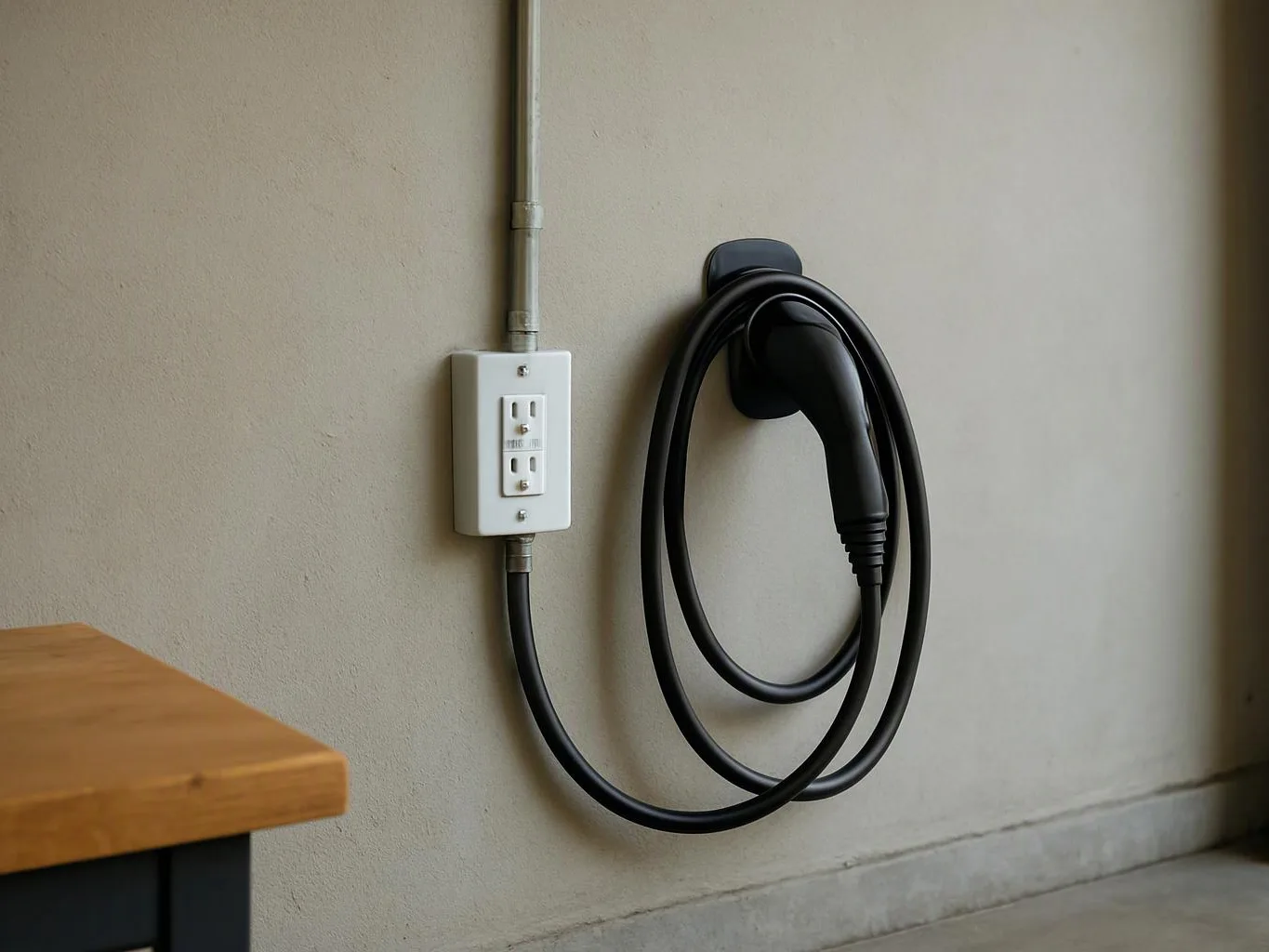
How Much Does Home EV Charger Installation Cost in California? Santa Ana, California
Home EV charger installation cost in Santa Ana, California depends on the charger type, electrical panel capacity, circuit route, access conditions, and required compliance work; Santa Ana Electrician reviews those factors and provides an exact estimate.
Get a Free Estimate
What Determines Home EV Charger Installation Cost in Santa Ana, California?
Home EV charger installation cost in Santa Ana, California is determined by the equipment, electrical capacity, wiring route, access conditions, and compliance requirements we find during the assessment. We review each factor before preparing the estimate.
Our Electric Vehicle Charger Installation service covers the electrical work needed to connect charging equipment safely and correctly.
| Factor | Why it changes the cost | What to prepare |
|---|---|---|
| EV charger | Charging equipment can require different wiring, controls, and mounting details. | The charger make, model, and installation instructions. |
| Electrical panel | Panel capacity and available breaker space affect how the new load can be supplied. | Panel location, label, and a clear view of the equipment. |
| Dedicated circuit | The circuit breaker, conductor size, and protective equipment must match the charger requirements. | Existing circuit details and the preferred charging location. |
| Circuit route | A longer wire run or difficult conduit path adds installation work. | The route between the panel and charger location. |
| Installation access | Finished walls, ceilings, exterior surfaces, or limited garage access can change the work method. | Photos of the garage, exterior, walls, and ceiling path. |
| CALGreen EV charging infrastructure compliance | Required compliance work can affect equipment selection, wiring, documentation, and inspection coordination. | Property details and any existing electrical plans. |
| Bidirectional EV charging | Energy transfer to a home or building requires added controls and system coordination. | Vehicle, charger, and backup power system details. |
How Charger Type Changes the Installation Work
Charger type changes the installation work because a standard charging setup and a bidirectional system require different equipment, controls, wiring, and integration checks.
A Level 2 EV charger commonly needs a dedicated circuit connected to the service panel. We confirm the charger requirements, select the circuit path, and complete the connection and testing.
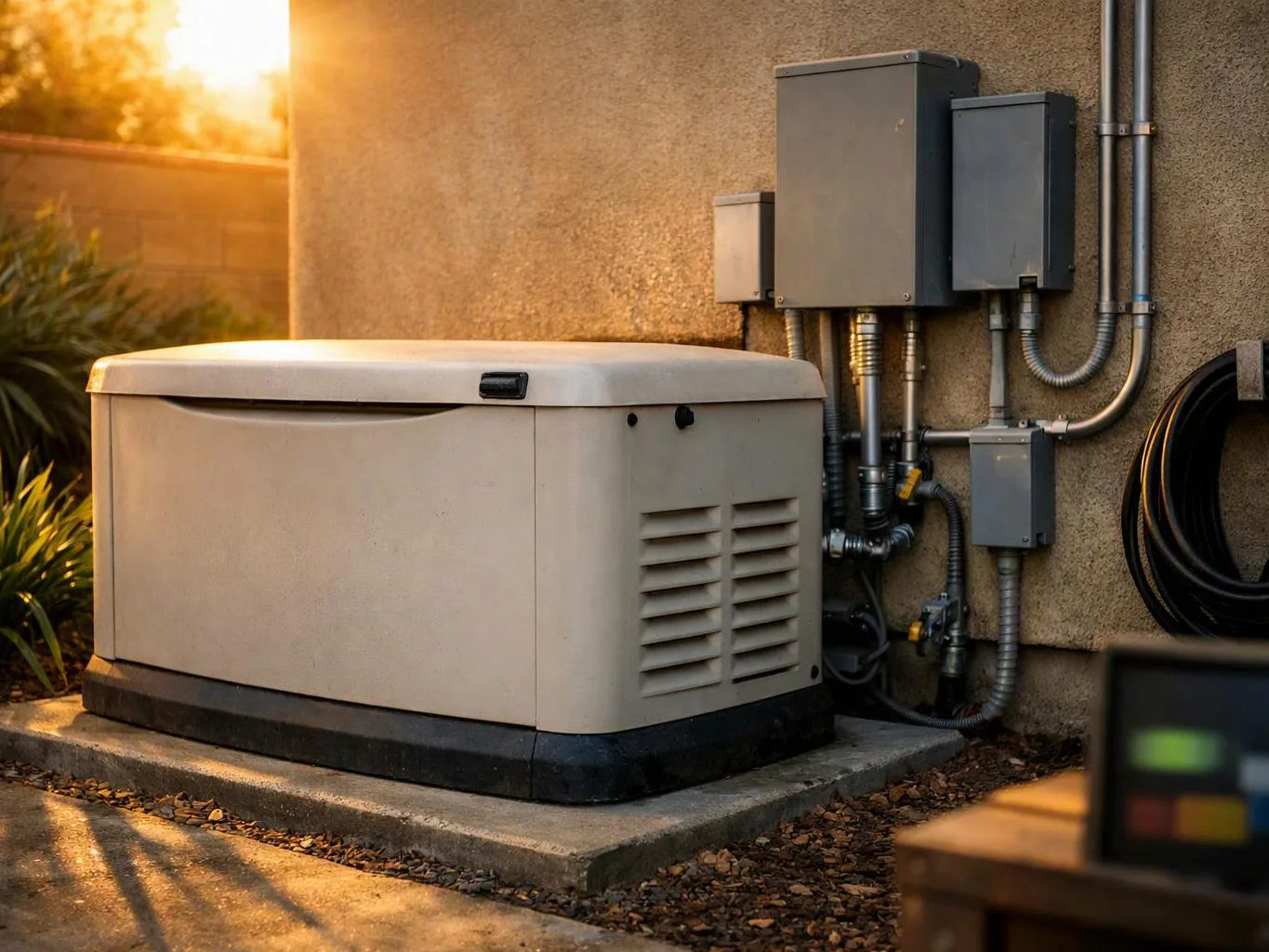
A bidirectional EV charger can support vehicle-to-home charging or vehicle-to-building charging. Our team coordinates the charging equipment with transfer equipment, electrical controls, and any backup power integration.
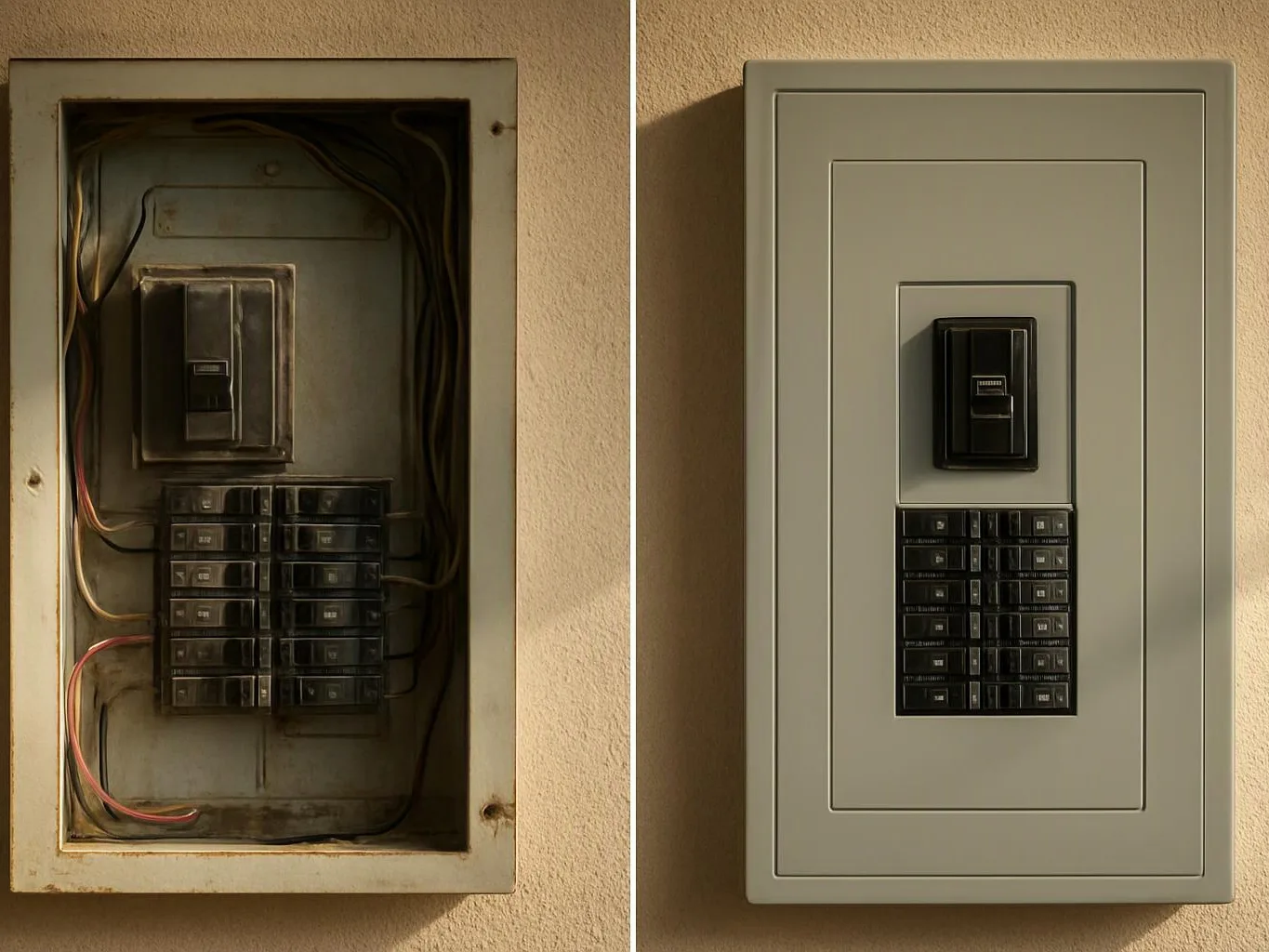
When an EV Charger Requires an Electrical Panel Upgrade
An EV charger requires an electrical panel upgrade when the existing panel cannot safely support the charger's electrical load alongside the property's other circuits.
We complete an electrical load calculation before recommending a panel upgrade. The review considers panel capacity, breaker space, existing circuits, and the charger's demand.
If the panel can support the new load, we install the dedicated circuit without unnecessary panel work. If capacity is not sufficient, we explain the panel upgrade scope and how it connects to the charging plan.
What Our EV Charger Installation Process Covers
Our EV charger installation process connects the charging equipment to the property after we confirm the electrical and access conditions. We explain the installation scope before the work begins.
What Changes the Project Timeline?
The project timeline changes with panel work, wiring distance, access through finished areas, trenching needs, equipment coordination, and required inspections.
We identify these conditions during the site assessment. A clear route and available equipment can simplify the work, while a damaged panel, difficult access, or trenching can add coordination steps.
We explain the expected work sequence with the estimate so you can plan around installation access and inspection requirements.
Five Ways to Control EV Charger Installation Costs
Project costs are easier to control when the charging plan matches the property and the vehicle. We use the site assessment to identify practical choices before materials and wiring are selected.
How to Prepare for an Accurate EV Charger Quote
An accurate EV charger quote starts with the vehicle, charger, electrical panel, preferred location, and access information. These details help us define the installation scope before we review the property.
How Santa Ana Electrician Provides an Exact Installation Estimate
Santa Ana Electrician provides an exact installation estimate after reviewing the charger, electrical system, installation route, access conditions, and required scope of work.
We begin with a site assessment and electrical load calculation. Our team then identifies the charger placement, dedicated circuit, material requirements, panel work, and compliance work.
We include the planned installation tasks, required electrical materials, testing, and compliance review in the quote. Free Estimates Available means you can request an assessment before deciding on the work.
What Bidirectional EV Charger Installation Involves
Bidirectional EV charger installation connects compatible vehicle, charging, and building systems so energy can move between the vehicle and the property under controlled electrical conditions.
A bidirectional EV charger may support vehicle-to-home charging, vehicle-to-building charging, or backup power integration. We verify compatibility between the vehicle, charging equipment, transfer equipment, and electrical controls.
Our team also reviews the panel, wiring, disconnects, and control sequence. We complete functional testing so the charging and energy-transfer systems operate as designed.
Questions About Home EV Charger Installation Costs
Can an EV charger use an existing electrical outlet?
Yes, an EV charger can use an existing electrical outlet when the outlet, circuit, protection, and charger requirements are compatible. Santa Ana Electrician checks the outlet and circuit before approving that connection.
What should be included in an EV charger installation quote?
An EV charger installation quote should include the charger connection, electrical load review, circuit route, wiring, conduit, circuit breaker, panel work, testing, and compliance tasks that apply to the property.
Can a home EV charger be installed outside?
Yes, a home EV charger can be installed outside when the equipment, enclosure, mounting surface, wiring, and access conditions support outdoor use. We review the location and specify the installation requirements during the assessment.
Is a bidirectional charger compatible with every electric vehicle?
No, a bidirectional charger is not compatible with every electric vehicle. We verify vehicle compatibility, charger requirements, building controls, and backup power equipment before planning the installation.
Get an Exact Home EV Charger Installation Estimate
Santa Ana Electrician reviews your vehicle, charger, electrical panel, circuit route, access conditions, and compliance needs to prepare an exact estimate. Contact us to discuss your home charging station setup and installation scope.
Request an EV Charger QuoteRelated Resources
How Long Does an Electrical Panel Upgrade Take in Santa Ana, CA?
How Long It TakesHow Long Does EV Charger Installation Take in Santa Ana, CA?
How It WorksHow Dedicated Circuit Installation Works and What It Costs
How It WorksPool and Hot Tub Electrical Installation: Process, Cost Factors, and Scheduling