Why Does My Electrical Fuse Keep Blowing?
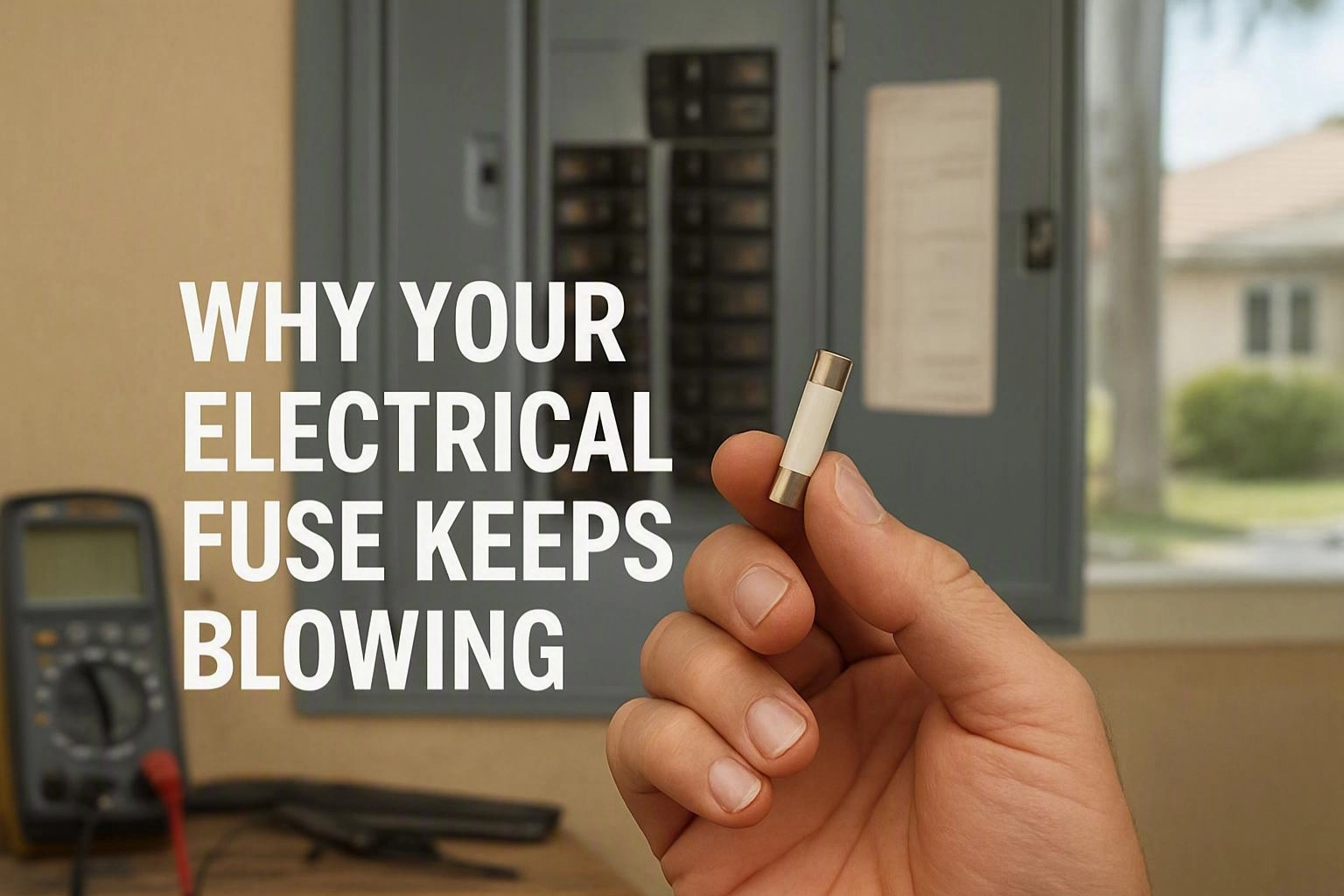
An electrical fuse keeps blowing when too much current enters the circuit. A short circuit, an overloaded circuit, faulty wiring, or bad equipment can cause this problem. Replacing the fuse again and again isn't safe. The fault may still cause a fire or electric shock. Unplug appliances and don't use a larger fuse. Arrange a qualified inspection if the fuse blows again. An electrician can test the circuit and find the damaged part. They can advise on fuse replacement, wiring repair, or fuse panel repair or replacement.
Get a Free Estimate
First, stop using the affected circuit. Then find out why the fuse opened. At Santa Ana Electrician, we provide Fuse Replacement. We also help people choose the right repair for their home.
A fuse protects an electrical circuit. It has a thin link that melts when current gets too high. This stops power before wires become dangerously hot. A blown fuse is a warning, not just an annoyance. Some people say a fuse “keeps tripping.” A circuit breaker trips, but it can reset. A fuse uses a link that works once.
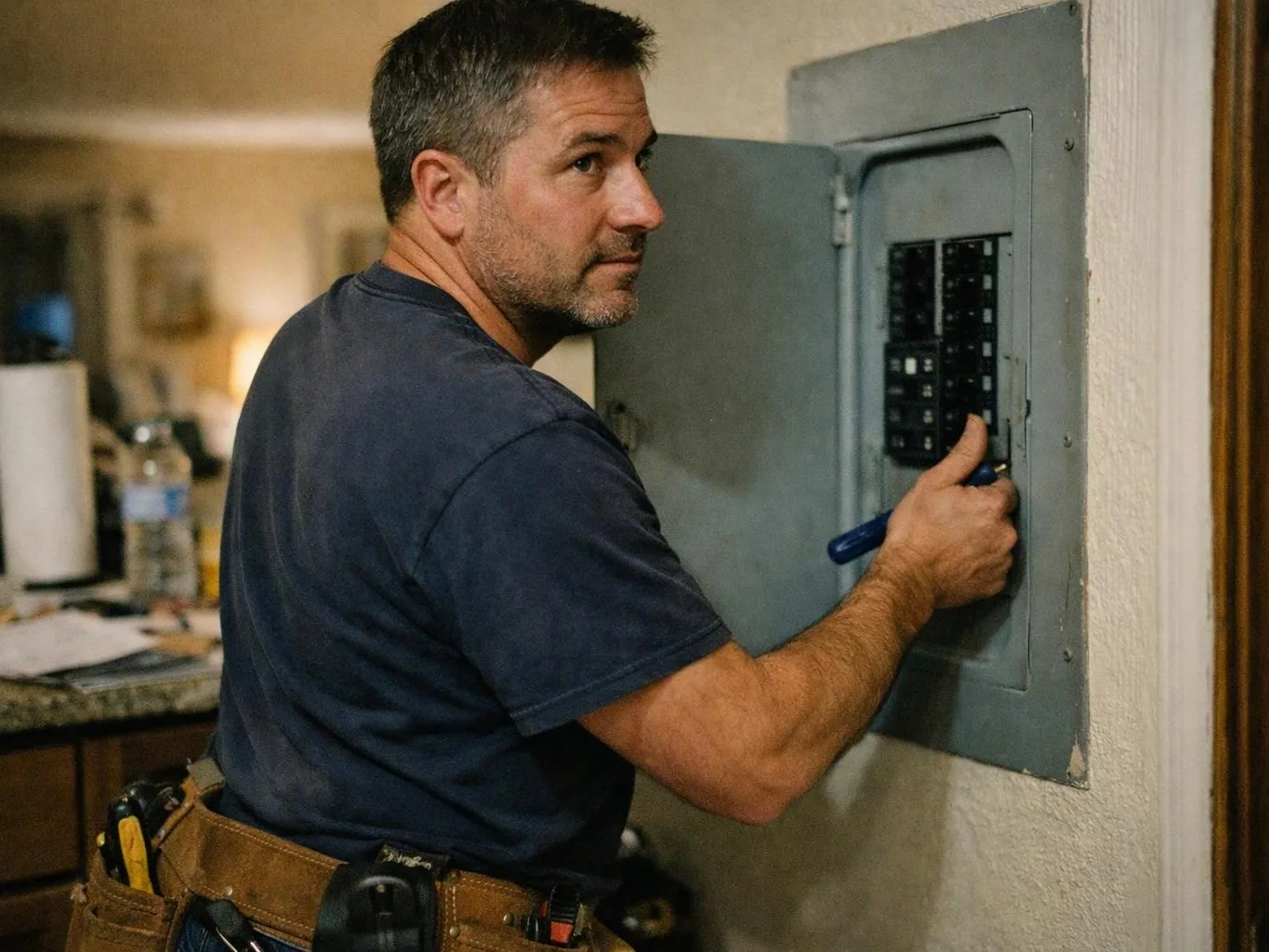
Homeowners, renters, and other occupants may not have safe access to the fuse box. You may also need permission before opening it. If you can't safely shut off the circuit, leave it off. Contact a qualified electrician. Don't remove covers or touch exposed wires.
Why Does an Electrical Fuse Keep Blowing?
An electrical fuse keeps blowing when current goes above the circuit's safe rating. Common causes include an overloaded circuit, short circuit, ground fault, bad appliance, loose connection, or old wiring. The fuse opens to stop overheating. Repeated failure means the circuit needs testing, not a stronger fuse.
The fuse rating must match the circuit and wire size. Too many devices on one circuit can make the fuse link heat up. This may happen with heaters, cooking devices, tools, or other high-power products. An overload may happen only during busy times. A serious fault may blow the fuse as soon as power returns.
A short circuit creates a path with very little resistance. Current rises fast, so the fuse may blow right away. A ground fault sends current along an unsafe path to the ground. This path may run through a metal case or wet surface. Both faults can cause sparks, heat, and fire.
Old wiring can also cause a fuse to blow. Older homes may have brittle insulation, small wires, loose terminals, or old fuse holders. These problems can create heat at a connection. The fuse may fail without an obvious appliance cause. Testing can show if you need Fuse Replacement, electrical wiring repair, electrical rewiring, or panel work.
Overload, Short Circuit, or Faulty Wiring: How the Failure Differs
A circuit overload often depends on what is plugged in. It may stop when one appliance is removed. A short circuit happens between wires. It often causes the fuse to fail at once. A ground fault sends current to ground. Moisture, damaged insulation, or a faulty appliance can cause it. Faulty wiring may act on and off. It may cause heat, buzzing, or dark marks.
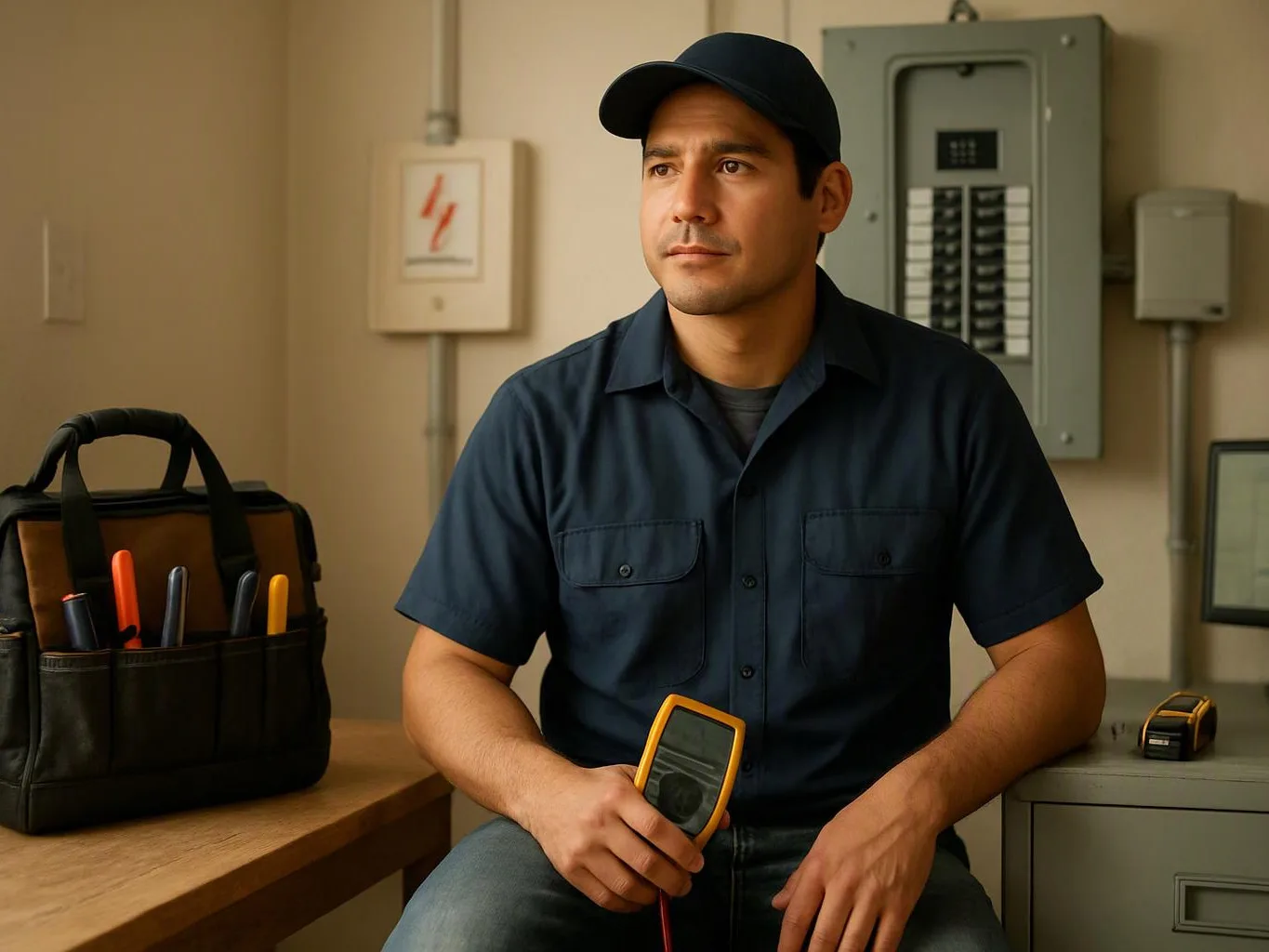
Note when the fuse opens. A failure when one device starts may point to that device or its cord. A failure with many devices suggests an overloaded circuit. A failure with nothing connected may point to wiring, a loose connection, or the fuse panel. Only testing can confirm the cause.
What Causes Repeated Blown Fuses?
Repeated blown fuses often come from equipment, load, or wiring problems. The timing can give you a clue. A fuse that fails when one item starts may point to that item. Unclear failures need circuit testing.
- High-wattage appliance: Portable heaters, kettles, ovens, compressors, and power tools can draw too much current. The risk grows when several run together.
- Damaged appliance cord: Crushed insulation, exposed wires, bent plugs, or moisture can cause a short circuit or ground fault.
- Loose electrical connection: A loose terminal or old fuse holder can create heat and sparks. The fuse may fail after several minutes.
- Aging wiring: Old insulation, rusty wires, poor changes, and small wires can make fuse failure more likely.
Don't assume the newest appliance caused the problem. A circuit may have worked well years ago. Added outlets, equipment, or room changes can increase its load. In older homes, an inspection can check the fuse panel, wires, connections, and appliance load.
Signs That a Blown Fuse Needs More Than Replacement
Warning signs around a blown fuse include a burning smell, dark marks, heat, buzzing, sparks, flickering lights, or instant fuse failure. These signs may show overheating, arcing, damaged wiring, or a bad connection. Turn off the affected circuit. Seek professional electrical testing instead of replacing the fuse again.
If you see smoke or sparks, move away. Call emergency services if needed. Don't inspect inside a panel. Renters should tell the property manager. Keep clear of the affected area.
Is It Safe to Replace a Blown Fuse Repeatedly?
Replacing a blown fuse repeatedly isn't safe when you don't know the cause. Each failure shows too much current or another fault. Don't install a larger fuse. Don't bypass the fuse or use foil. Unplug suspected appliances if it's safe. Have a qualified electrician inspect the circuit.
A fuse protects wires from too much heat. A larger fuse can let more current enter the wires. The wires may not be built for that load. This can overheat the insulation and raise fire risk. Foil, wire, or another makeshift fix removes the protection.
Electric shock is another risk. A damaged appliance, wet equipment, loose connection, or bare wire can put power on metal. Someone may get hurt while changing the fuse. A circuit breaker doesn't make the problem safe. Repeated breaker trips also need testing.
Basic Fuse Replacement is reasonable only when you know the correct rating. The fuse type must also fit. There must be no warning signs. If it opens again, stop. We can test the circuit and check the fuse link and holder. We can also measure insulation. Testing shows if you need appliance repair, wiring repair, or panel correction.
What to Do When the Fuse Blows Again?
When a fuse blows again, stop using that circuit. Unplug connected appliances. Shut off power if you can do so safely. Never touch bare wires or use the wrong fuse rating. Write down what was running when the fuse failed. Arrange electrical testing before using the circuit again.
Renters may not have access to the fuse box. They may also need permission for repairs. Report the failure to the landlord or property manager. Follow the emergency process. Homeowners shouldn't open an unfamiliar panel. In an urgent case, a 24 Hour Electrician may help make the area safe. The fault still needs proper repair.
When Should a Fuse Panel Be Repaired or Replaced?
A fuse panel should be repaired when one small defect can be fixed safely. Examples include a damaged fuse holder or loose connection. A full replacement may be needed when the panel is old, damaged, rusty, overloaded, or hard to service. Replacement may also help when the panel can't protect the home's circuits properly.
The right choice depends on test results. A blown fuse alone doesn't prove the panel needs replacement. One damaged holder may need electrical panel repair. Heat damage across the panel may call for replacement. Small wires may need electrical rewiring instead of panel work alone.
| Test finding | Possible direction | Why testing matters |
|---|---|---|
| One damaged fuse holder | Localized panel repair | The enclosure and other parts may remain suitable. |
| Heat, corrosion, or arcing across the panel | Panel replacement may be safer | Widespread damage can reduce reliable protection. |
| Insufficient circuit capacity | Circuit changes or rewiring | A larger fuse cannot correct undersized wiring. |
| Obsolete protection arrangement | Modern circuit protection | The upgrade should match the property and tested conductors. |
Small diagnostic visits often take about one to two hours. Panel replacement or electrical rewiring may take longer. Access, circuit count, and hidden wires can affect the work time. This range is for planning only. We set the repair plan after checking the property and its safety needs.
How to Prevent Repeated Blown Fuses?
Preventing repeated blown fuses starts with the right load and a safe circuit. Use appliances within their ratings. Don't overload extension cords or outlets. Replace damaged cords. Keep water away from electrical equipment. Arrange an inspection when a fuse blows without a clear appliance cause.
Good load control can reduce nuisance failures. It can't fix old wires, loose connections, or worn fuse holders. Our team can explain the best option. You may need appliance maintenance, circuit changes, Electrical Wiring Repair, or broader electrical rewiring.
Questions About 24 Hour Electrician
Can a Blown Fuse Be Caused by an Appliance?
Yes. A faulty appliance, damaged part, bad cord, or moisture can cause too much current. It can also cause a ground fault. Unplug the item if it's safe. Don't use it again. Have the appliance and circuit tested before replacing the fuse.
How Do I Know if a Fuse Is Blown?
One circuit may lose power. The fuse link may look melted, split, dark, or cloudy. Looks can be misleading, so don't touch bare parts. A qualified electrician can test the fuse and find the fault that opened it.
Can a Loose Wire Cause a Fuse to Blow?
Yes. A loose wire or terminal can create heat and sparks. This damage may cause a fuse to fail on and off. Don't tighten wires inside a live panel. Electrical testing and safe repair are needed.
What Happens if I Put a Bigger Fuse In?
A bigger fuse may let too much current enter the wiring. This can heat the wires, damage insulation, and raise fire risk. Never change the fuse rating to stop repeated failures. Find and fix the electrical fault instead.
How Much Does It Cost to Replace a Fuse Panel?
The cost depends on the panel type, circuit count, access, and damage. It also depends on the needed protection and wiring changes. A qualified electrician should inspect the system first. A small fuse holder repair can cost much less than full panel replacement and rewiring.
If a fuse keeps failing, the cause may be an appliance, circuit, wire, or panel. Stop using the area and arrange a qualified inspection. Safe testing protects people and can prevent needless replacement work.
Related Resources
How Much Does a 24-Hour Electrician Cost in Santa Ana?
24 hour electrician cost Santa Ana CA
What It CostsHome Generator Installation: Cost, Timeline, and What the Electrician Handles
home generator installation cost and process
How It WorksWhat Happens When You Call an Emergency Electrician?
emergency electrical troubleshooting process
How It WorksHow Dedicated Circuit Installation Works and What It Costs
dedicated circuit installation process and cost