Skip to content

Bidirectional EV Charging System Installation in Fullerton, California

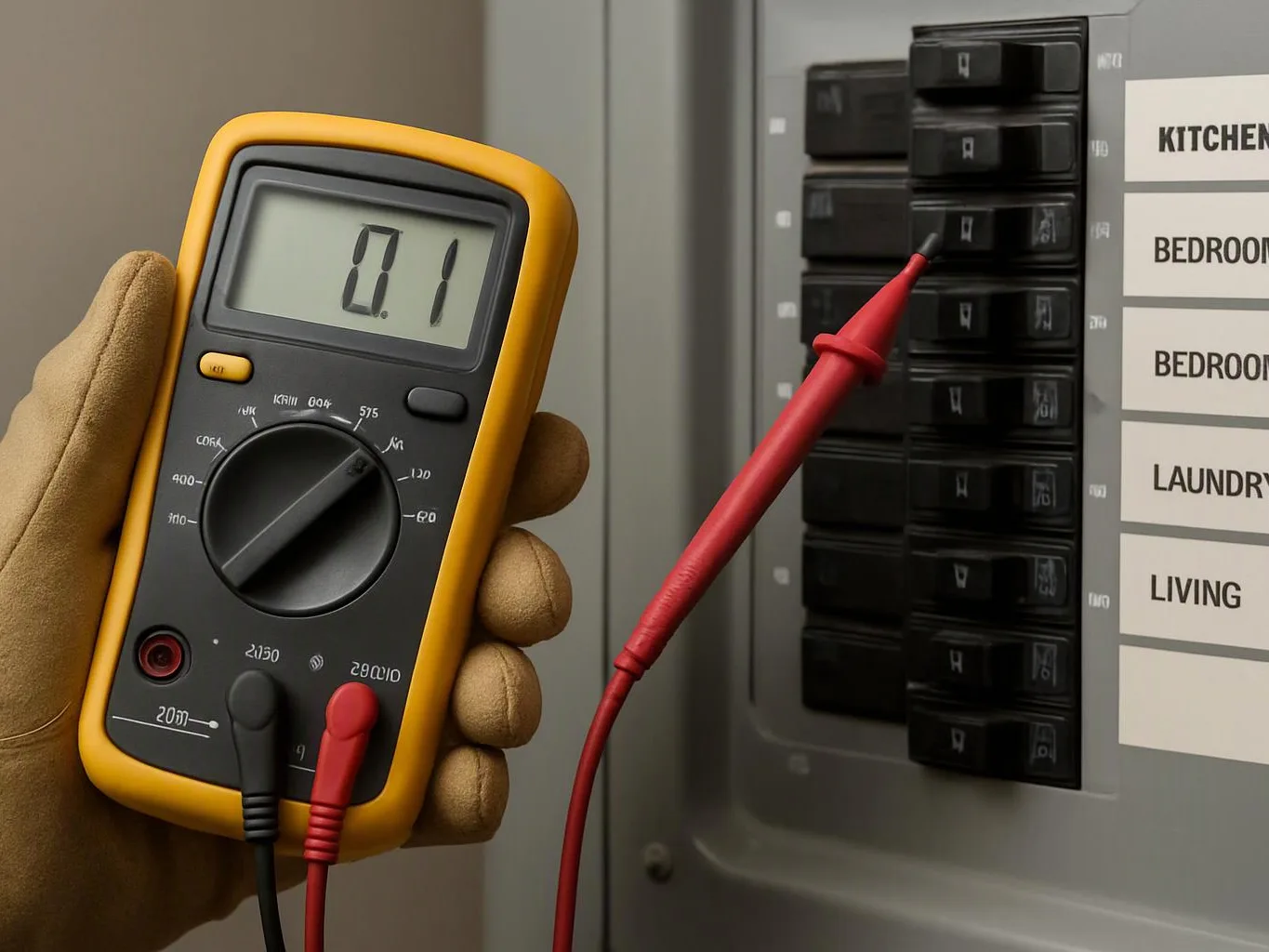
Bidirectional charger equipment gets checked for fit in Fullerton before installation starts. We plan the wiring, controls, and safety parts around your property.

Licensed & InsuredFree EstimatesWarranty AvailableSame-Day Service

Quick Summary: Bidirectional EV Charging Systems in Fullerton, California

Bidirectional EV Charging System Installation in Fullerton is provided by Santa Ana Electrician for homes, businesses, landlords, and property managers. The service covers equipment checks, wiring, panel review, and related electrical upgrades across Santa Ana and nearby Orange County communities.

  • What we do: Santa Ana Electrician installs bidirectional EV charging systems for Fullerton, California homes, businesses, landlords, and property managers.
  • What is included: Equipment checks, electrical panel review, load calculation, transfer switch planning, energy meter connection, battery storage wiring, and communication cable installation.
  • What you get: The property receives a planned charging system with compatible equipment, tested wiring, and clear operating guidance.

What equipment is needed for bidirectional EV charging installation in Fullerton, California?

A bidirectional charging system needs a compatible charger, suitable wiring, protection equipment, and control components. The final setup may also include an energy meter, transfer switch, battery storage, and communication cable. Santa Ana Electrician checks the panel and circuit capacity before recommending the equipment.
Supporting Clients Across Fullerton

Bidirectional charging connects an EV system to the property's electrical equipment. The work suits homeowners, landlords, businesses, and property managers who want a planned setup that accounts for charging, power flow, and control equipment.

The key decision is equipment compatibility. We check the charger, panel, circuit capacity, grounding, and wiring route before recommending a scope. An energy meter may track power flow, while a transfer switch can help control how equipment connects to the property.

Battery storage and communication cables are separate parts of the design. We include them when the selected system and property require them. This service isn't the right job when you only need a standard one-way EV charger, a dead outlet repaired, or a breaker replaced.

  • Confirm that the EV charger supports bidirectional power flow.
  • Review the electrical panel and complete a load calculation.
  • Plan wiring for the charger, energy meter, transfer switch, and controls.
  • Check whether battery storage or a communication cable belongs in the design.
  • Test connections and explain the planned system to the property owner.
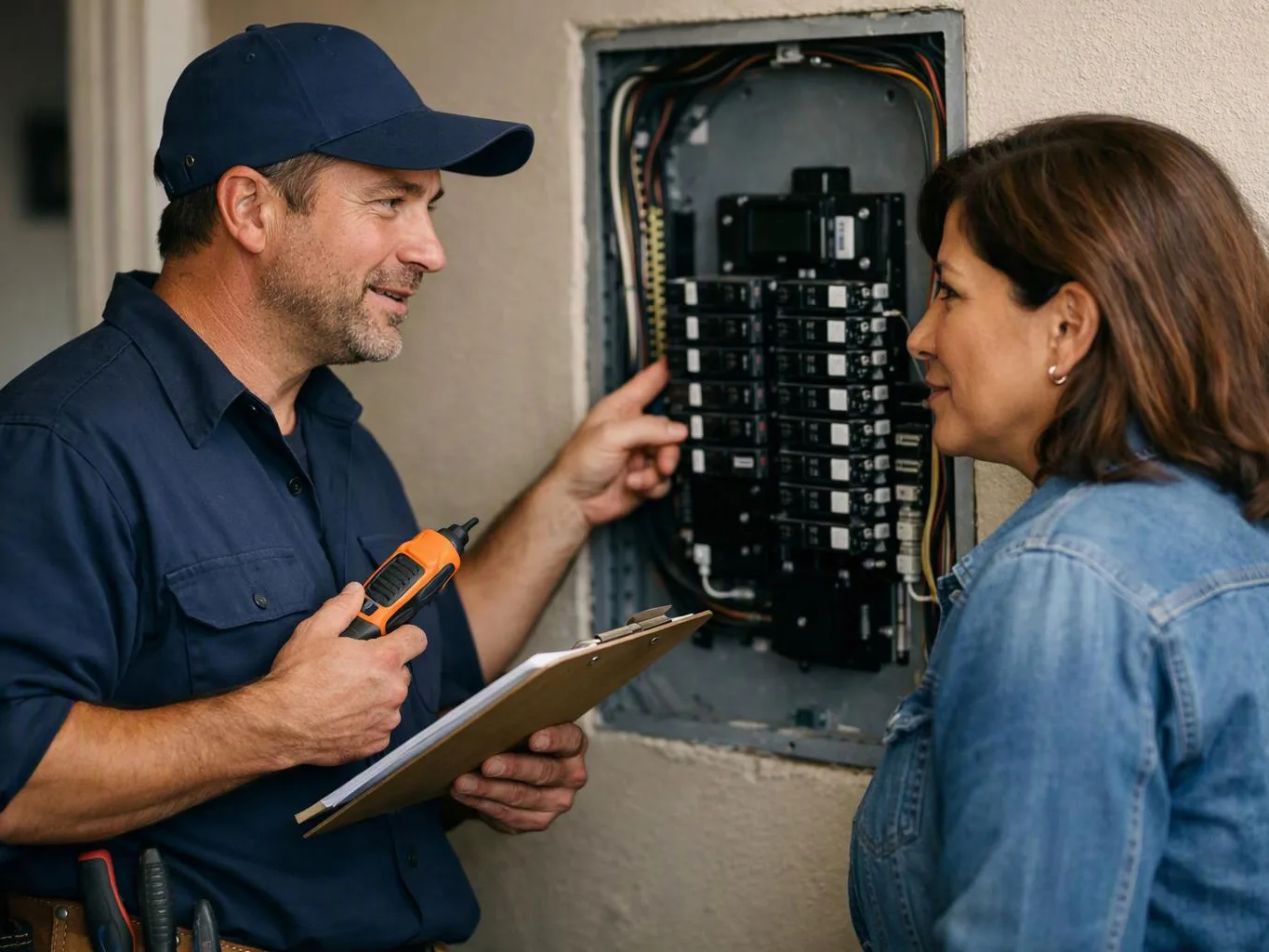
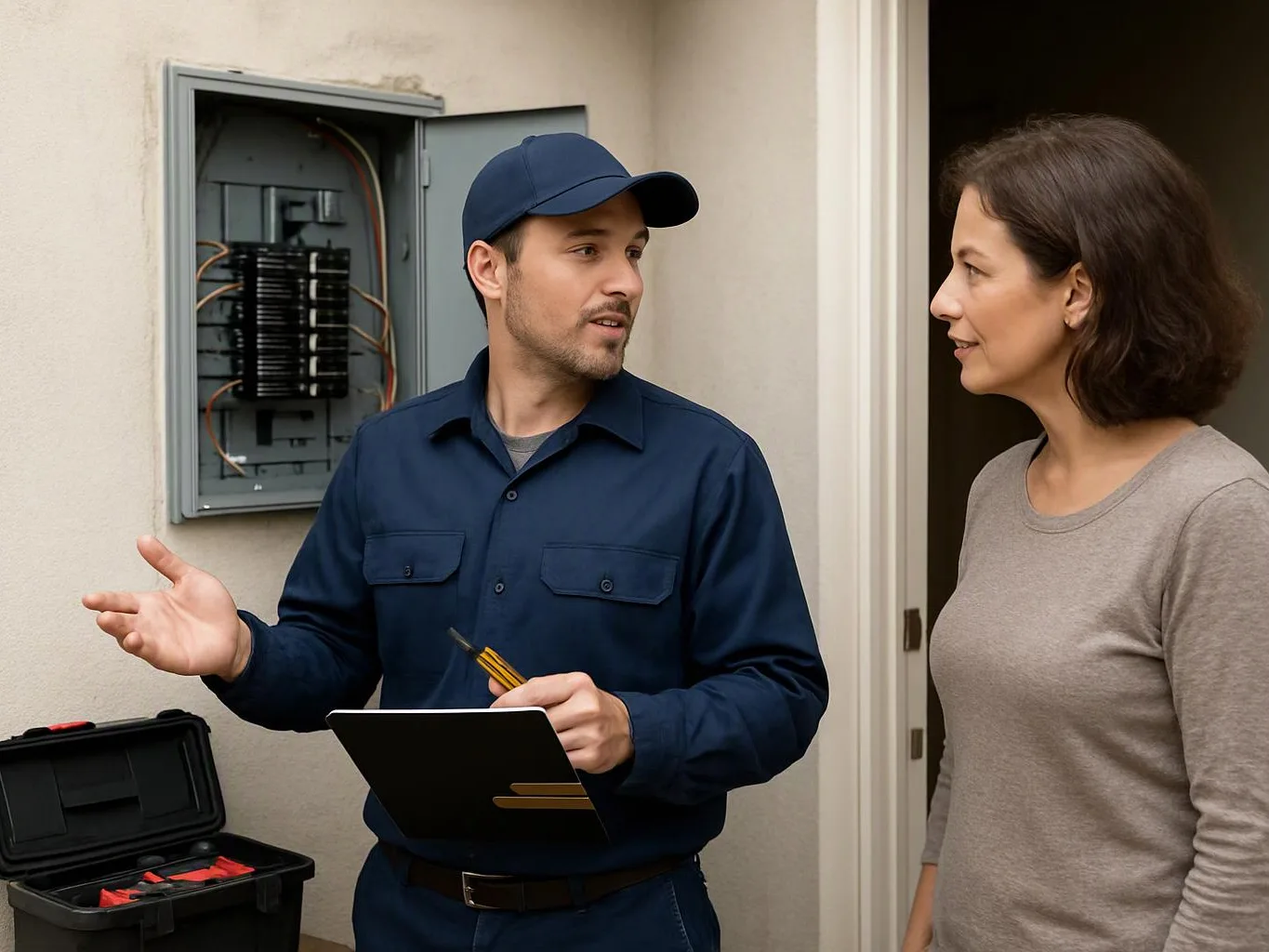
A repairman in a blue uniform talks with a woman beside an open electrical panel and tool case

Service Overview

Bidirectional EV Charging System Installation is an electrical service that connects a compatible EV charger to a property's power system.

  • Unlike standard EV charging installation, bidirectional equipment supports controlled power flow between the vehicle and the property.
  • Santa Ana Electrician provides this service for homes and businesses in Fullerton, California, and nearby Orange County communities.
Process

How We Install Bidirectional Charging Equipment

1

Check the charger and vehicle

We confirm that the proposed charger and vehicle support the planned power flow and control features.

2

Inspect the panel and circuit

We review the panel, grounding, circuit path, and available capacity before selecting wiring or upgrade work.

3

Complete the load calculation

We calculate the proposed electrical load and explain whether the existing service supports the equipment.

4

Plan meters and controls

We place the energy meter, transfer switch, battery storage connections, and communication cable where the system requires them.

5

Install and test the connections

We install the planned electrical work, test the connections, and explain the system's controls and next steps.

When this service is the right fit

A typical property decision starts with a vehicle owner planning more than one-way charging. We check the panel, trace the proposed circuit, and review where the charger and control parts can be placed. The quote then separates the charging equipment from related electrical repairs or upgrades, so the owner can see what the installation includes.

How We Approach Bidirectional Charging Work

Start with equipment compatibility

The first decision is whether the charger, vehicle, controls, and property wiring work together. We check those links before setting the installation scope. A standard one-way EV charger is the better fit when bidirectional power flow isn't required.

Match the panel to the load

Panel capacity affects the wiring plan and the need for an upgrade. We trace the relevant circuits, review grounding, and explain any electrical work that belongs in the quote.

Keep controls in the plan

The charger is only one part of this system. We account for the energy meter, transfer switch, battery storage, and communication cable when the equipment design calls for them.

What Bidirectional Charging Installation Includes

Santa Ana Electrician provides comprehensive Bidirectional EV Charging System Installation in Fullerton. Here's what you get:

  • We inspect the electrical panel, grounding, and available circuit capacity.
  • We complete a load calculation for the proposed charging equipment.
  • We plan wiring for the charger and related protection equipment.
  • We assess the need for an energy meter and transfer switch.
  • We account for battery storage and communication cable connections when the system requires them.
  • We test the installed connections and explain the system's operating plan.

What This Charging System Changes

A planned equipment layout helps match the charger to the property's electrical capacity.

Load calculation gives you a clearer basis for choosing wiring and panel work.

An energy meter can support better tracking of power moving through the system.

A communication cable helps connected equipment share operating information when required.

The work can identify panel, grounding, or circuit issues before they affect the installation.

Charging Equipment Decisions For This Installation

The table separates common equipment roles so you can discuss the right scope with us.

EquipmentPrimary roleWhen it belongs in the plan
Bidirectional chargerControls charging and power flowWhen the vehicle and system support bidirectional operation
Energy meterMeasures power flowWhen the controls need power tracking
Transfer switchControls selected electrical connectionsWhen the system design requires managed source transfer
Battery storageStores electrical energyWhen the planned system includes storage
Communication cableLinks compatible control equipmentWhen the equipment requires shared operating data

The Santa Ana Electrician Standard

  • Initial Assessment
  • Systematic Troubleshooting
  • Safety-Minded Repairs
  • Clear Recommendations

Questions About Bidirectional Charging Installation

What equipment is needed for bidirectional EV charging installation?

A bidirectional charger, compatible vehicle, suitable wiring, and electrical protection form the core equipment set. Santa Ana Electrician also checks whether the design needs an energy meter, transfer switch, battery storage, or communication cable. We match those parts to the panel and planned use before installation.

How is the charging system matched to the property before work starts?

Property matching starts with a panel inspection and load calculation. We review circuit capacity, grounding, wiring routes, and equipment placement before setting the scope. The assessment shows whether related work, such as a panel upgrade or subpanel installation, belongs in the estimate.

Which property condition changes the installation time?

Panel capacity and the wiring route usually create the biggest time changes. A long route, limited circuit space, grounding correction, or service entrance upgrade adds work before the charger can be connected. We identify those conditions during the electrical assessment.

What should I ask before agreeing to the installation?

Ask which charger and vehicle functions are compatible, what the load calculation found, and which control parts the quote includes. We also explain panel work, wiring, testing, and any permit pull that applies to the job. Those answers help you compare the actual scope, not just the charger itself.

When does a panel upgrade belong with this work?

A panel upgrade belongs in the project when the existing service cannot support the planned charging load. We check the panel rating, available spaces, circuit demand, and grounding before recommending that work. A standard outlet repair or breaker replacement alone calls for a different electrical service.

Why would an energy meter be part of the equipment list?

An energy meter measures power moving through the connected system. The meter helps compatible controls track charging and discharge activity when the design requires that information. We include its wiring and connection points in the plan after reviewing the charger and property equipment.

What should a Fullerton property owner provide for an estimate?

A property owner should provide the charger details, vehicle information, panel access, and the planned use of the system. Santa Ana Electrician uses those details to review circuit capacity, wiring, controls, and possible battery storage connections. We then prepare a free estimate for the requested electrical scope.
Contact

Request a Free Estimate for Bidirectional EV Charging

Request your Fullerton estimate for bidirectional EV charging installation, and urgent requests get priority scheduling.

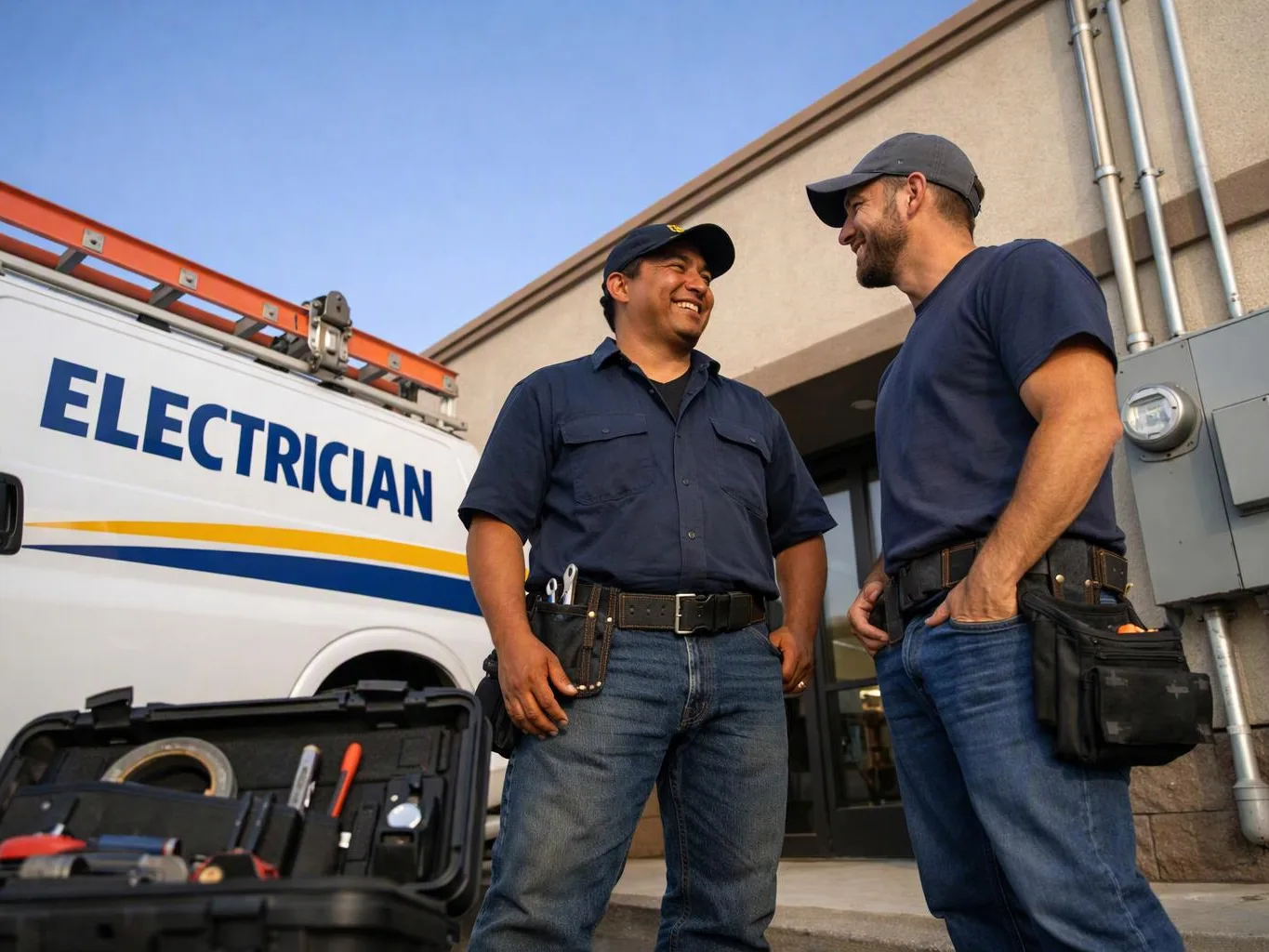
Two electricians in work clothes smile beside a service van and open tool case outside a building

ZIP Codes We Serve in Fullerton, California

9283192832928339283492835928369283792838

Bidirectional EV Charging System Installation in Other Areas

(949) 850-2844