Skip to content

Bidirectional EV Charging System Installation in West Covina, California

A sloped mounting surface can affect charger placement in West Covina. We check panel capacity, cable distance, ventilation clearance, and grounding access before work begins.

Licensed & InsuredFree EstimatesWarranty AvailableSame-Day Service

Quick Summary: Bidirectional EV Charging System Installation in West Covina, California

Bidirectional EV Charging System Installation in West Covina is provided by Santa Ana Electrician for homes, landlords, businesses, and property managers. The service covers site checks, EV charging installation, panel review, grounding, and code-compliant electrical improvements, with service also available in nearby Orange County communities.

  • What we do: Santa Ana Electrician installs bidirectional EV charging systems for West Covina, California properties through the electrical panel and building power circuits.
  • What is included: Panel inspection, load calculation, load controller setup, grounding checks, backup circuit planning, and testing.
  • What you get: The finished work gives the property a checked connection between the EV charging system, electrical panel, and selected backup circuit.

Why does bidirectional EV charging need a building connection in West Covina, California?

Bidirectional charging needs a building connection so power can move between the EV, electrical panel, and selected circuits. Santa Ana Electrician checks the panel capacity, load controller, grounding, and backup circuit before installation. The connection must match the property’s electrical layout and the system’s operating needs.
Bidirectional EV Charging System Installation in West Covina

Bidirectional EV charging links a vehicle, charger, electrical panel, and chosen building circuits. The buyer’s main decision is whether the property can support the planned power flow without overloading existing equipment.

We review the panel, service capacity, grounding system, and backup circuit before installation. A load controller may help manage demand when the EV, building loads, and backup circuit operate together.

This page focuses on the utility connection and building-side path. It does not replace a standard EV charger installation when the customer only needs one-way charging.

  • Confirm how the EV charger will connect to the electrical panel.
  • Review panel capacity and perform a load calculation.
  • Check grounding and bonding before power flows through the system.
  • Identify the backup circuit or building loads that may receive power.
  • Test the connection and verify the system after installation.
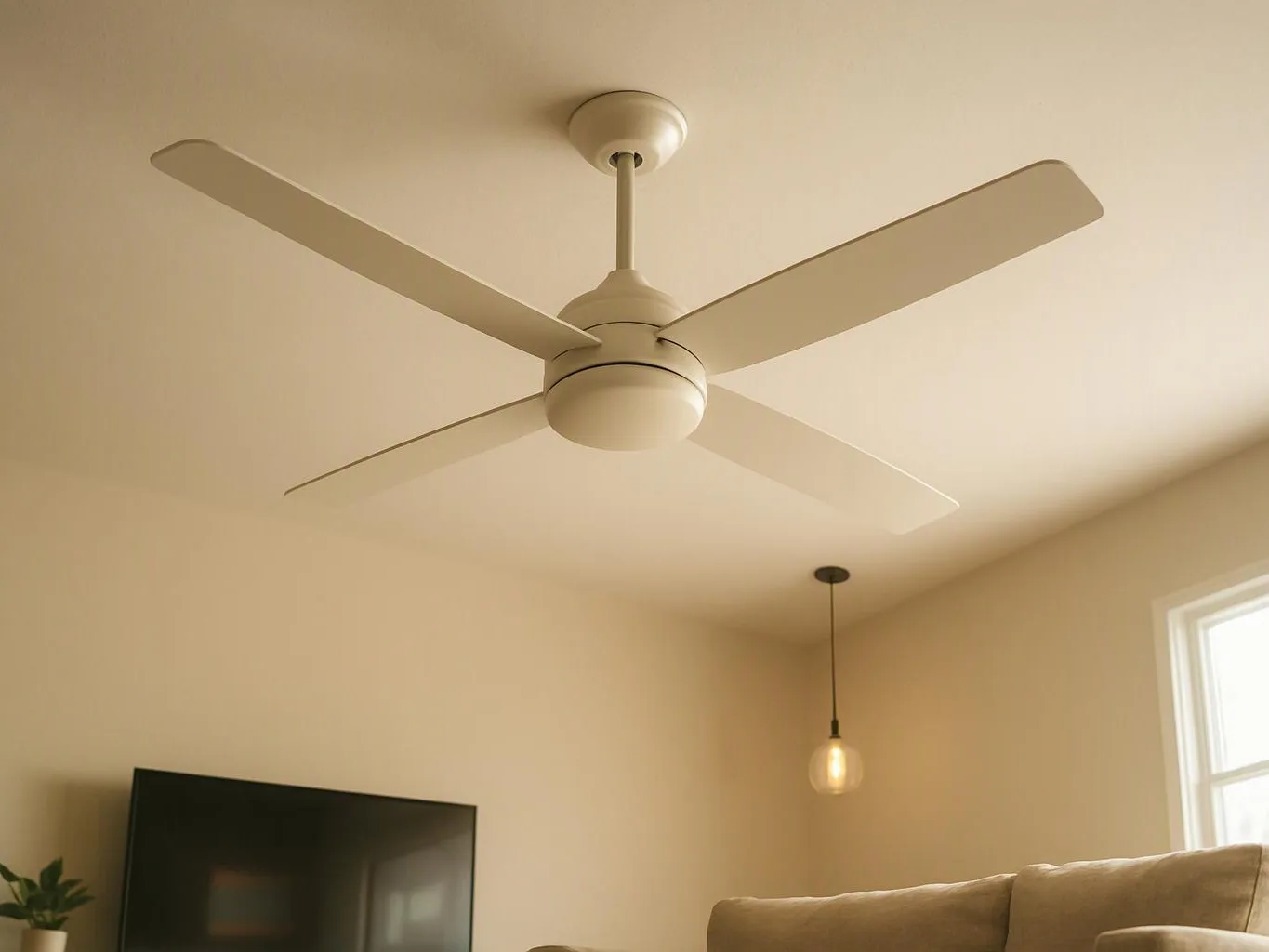
A white ceiling fan hangs above a beige living room with a TV, pendant light, sofa, and window

Service Overview

Bidirectional EV charging system installation is electrical work that lets compatible equipment move power between an electric vehicle and a building.

  • Unlike a standard EV charging installation, bidirectional work also requires a review of power flow, panel capacity, grounding, and equipment controls.
  • We provide this service in West Covina for homeowners, landlords, businesses, and property managers.
Process

How we complete the building connection

1

Inspect the electrical panel

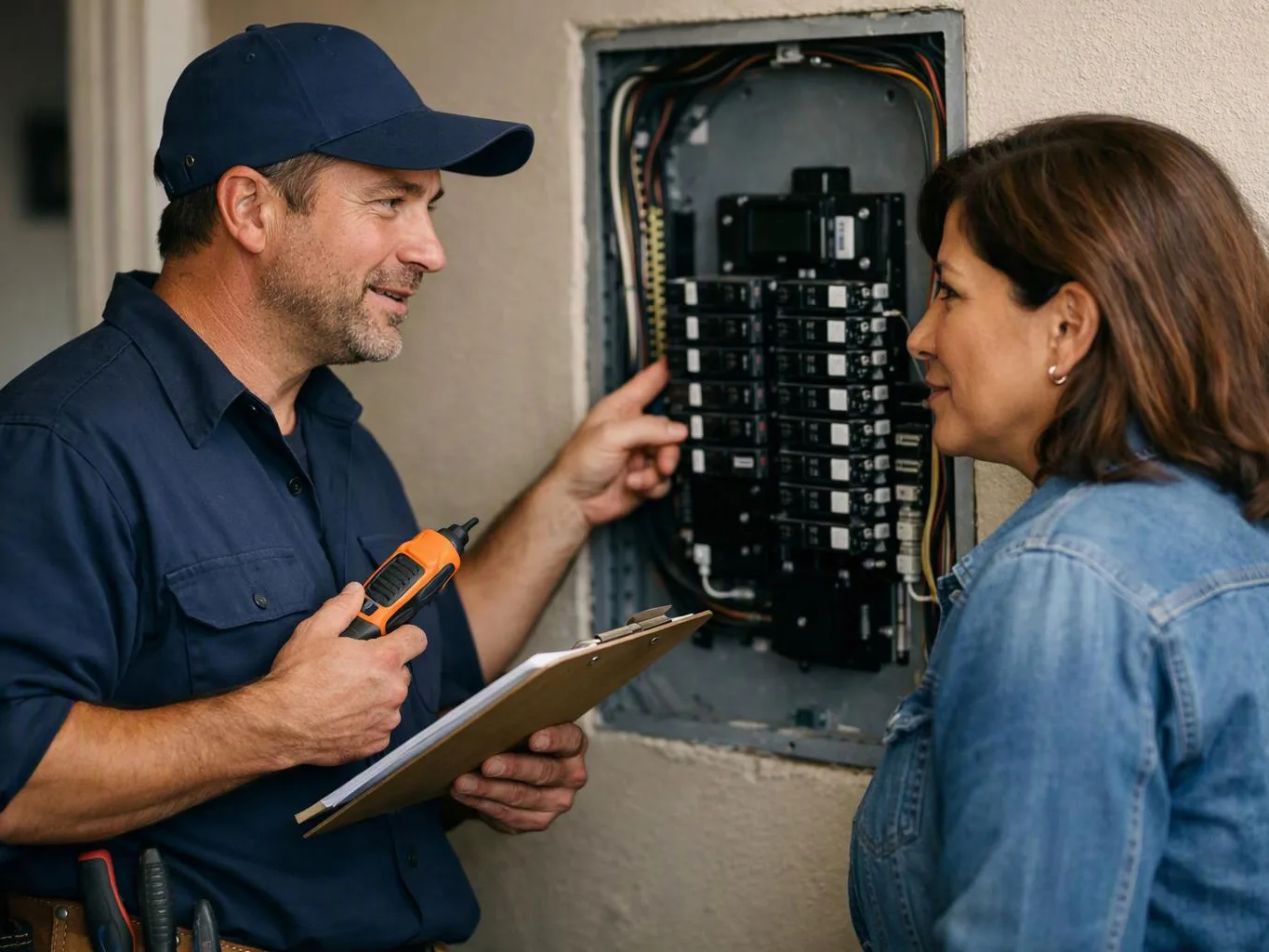
We review the panel, existing breakers, wiring, and available capacity before choosing the connection path.

2

Complete the load calculation

We compare expected EV and building demand so the planned charging connection fits the electrical service.

3

Plan the controlled power path

We place the load controller and define how power will move between the EV, panel, and selected backup circuit.

4

Check grounding and circuits

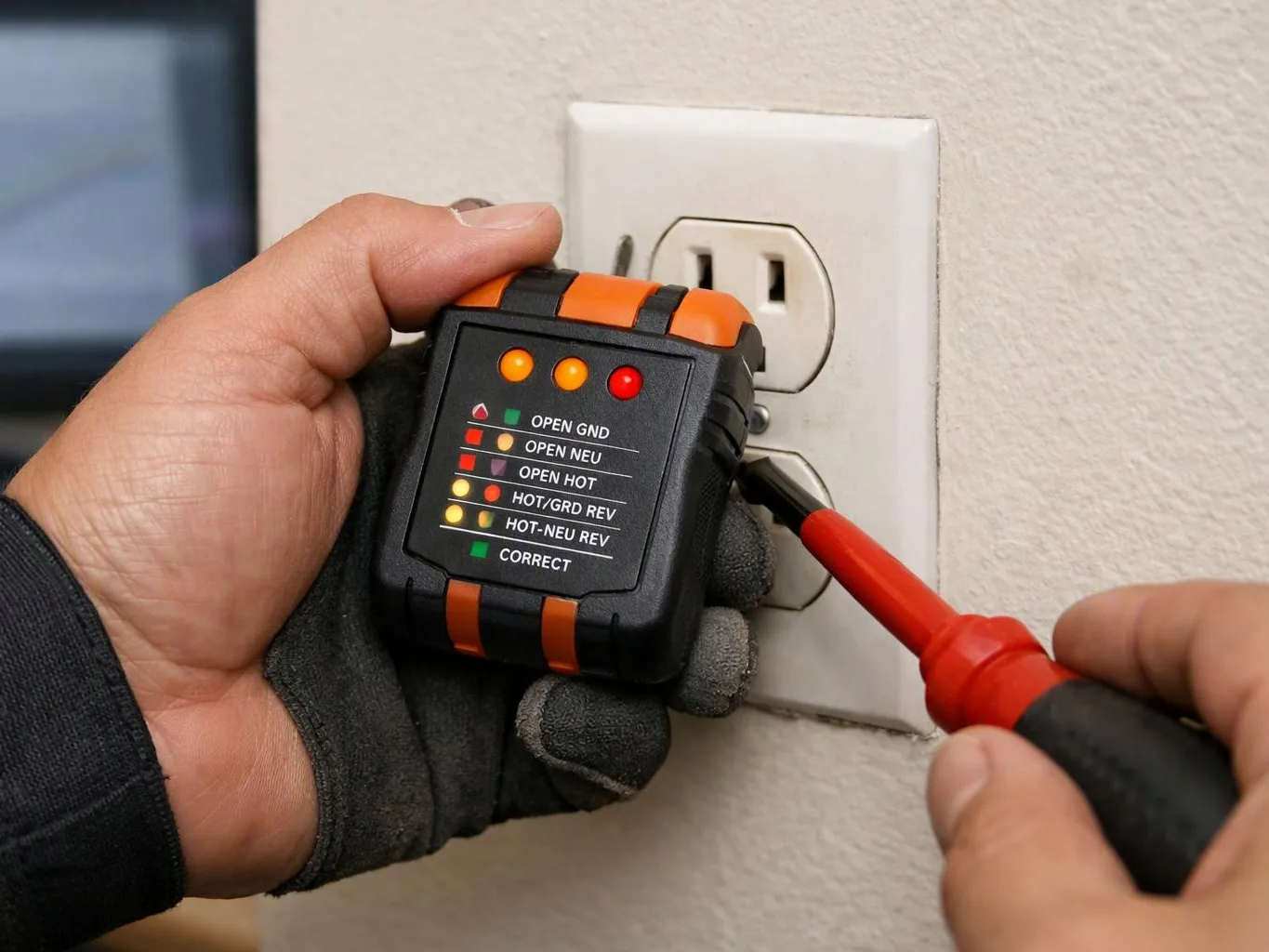
We trace the relevant circuits and check grounding before the system is connected.

5

Test the installed connection

We test the charger connection, controls, and selected circuit, then explain the completed electrical scope.

How we approach bidirectional charging decisions

Start with the building connection

The first decision is how the charger will tie into the panel and selected circuits. We trace that path before discussing equipment placement, because panel capacity and grounding shape the work.

Match the load controller to demand

A load controller can manage power between the EV and building loads. We review the planned demand so the control method fits the electrical layout.

Know when another service fits

Bidirectional installation is the wrong job when the property only needs one-way EV charging or a basic outlet repair. We handle those needs through the suitable electrical service instead.

The scope this service is meant to handle

A property owner in West Covina may want an EV to support selected building circuits during an outage. We inspect the panel, trace the proposed connection, check grounding, and define the backup circuit before work begins. If the existing electrical layout cannot support the plan, we explain the needed upgrade or a simpler charging option.

What bidirectional EV charging installation includes

Santa Ana Electrician provides comprehensive Bidirectional EV Charging System Installation in West Covina. Here's what you get:

  • We inspect the electrical panel and map the proposed charger connection.
  • We review electrical demand with a load calculation before setting the equipment scope.
  • We assess the load controller and how it will manage building power.
  • We check the grounding system and related electrical connections.
  • We plan the backup circuit around the building’s selected electrical loads.
  • We test the installed connection and explain the next operating steps.

What this charging setup changes for the property

Bidirectional charging gives the building a planned path to receive power from a compatible EV.

A load controller helps manage demand when several electrical loads run together.

Grounding checks address a core safety need before power moves through the building.

A defined backup circuit helps separate selected loads from the rest of the panel.

The inspection gives owners a clearer choice between a targeted upgrade and broader electrical work.

Choosing the right EV charging connection

The table compares common electrical scopes so property owners can identify the service that fits their goal.

Electrical scopePower directionBest fit
Standard EV charging installationBuilding to vehicleOwners who need vehicle charging only
Bidirectional EV charging installationBuilding to vehicle and vehicle to selected circuitsOwners planning controlled backup or building power use
Panel upgradeSupports added electrical capacityProperties whose existing panel cannot support the planned demand

The Santa Ana Electrician Standard

  • Initial Assessment
  • Systematic Troubleshooting
  • Safety-Minded Repairs
  • Clear Recommendations

Questions about bidirectional EV charging installation

How does a utility connection link bidirectional charging to the building?

Santa Ana Electrician connects bidirectional charging through the electrical panel and a controlled building circuit. We review the panel, complete a load calculation, check grounding, and plan the backup circuit. The load controller helps manage power between the EV and building loads. Testing confirms that the installed connection follows the planned path.

What does the crew look at first before charging installation?

The electrical panel is the first major check because it shows service capacity, breaker layout, and the available connection path. We inspect wiring and grounding next, then review the proposed EV and backup circuit loads. That order helps us set a safe scope before equipment placement or circuit changes.

Which part of the job changes the estimate most?

The existing electrical panel and wiring path often shape the estimate most. Panel capacity, grounding work, circuit access, load control, and the backup circuit all affect the scope. We review those items during a property assessment and provide a free estimate based on the proposed connection.

When should a property owner request an assessment?

A property owner should request an assessment before buying equipment or selecting backup circuits. We check compatibility, panel capacity, grounding, load control, and circuit access first. This review helps identify whether the property needs bidirectional work, a panel upgrade, or a standard one-way EV charging installation.

Why does a backup circuit need separate planning?

A backup circuit needs separate planning because the EV will not support every building load at once. We identify the intended circuit, check its wiring, and compare its demand with the load controller and panel. The result is a defined circuit scope for the planned power flow.

What happens if the existing panel lacks capacity?

Limited panel capacity calls for a revised electrical scope before the charger is connected. We complete a load calculation and review options such as panel work, load control, or a smaller backup circuit. The right choice depends on the building demand and the power path the owner wants.

How do you confirm the system works after installation?

Testing and verification confirm the charger connection, controls, grounding, and selected circuit. We check the planned power path and review the system’s operating steps with the owner. Any issue found during testing becomes part of the final electrical discussion before the work is closed.
Contact

Request a bidirectional EV charging estimate in West Covina

Ask Santa Ana Electrician for a free estimate on the building connection, panel review, load control, and backup circuit, and urgent requests get priority scheduling.

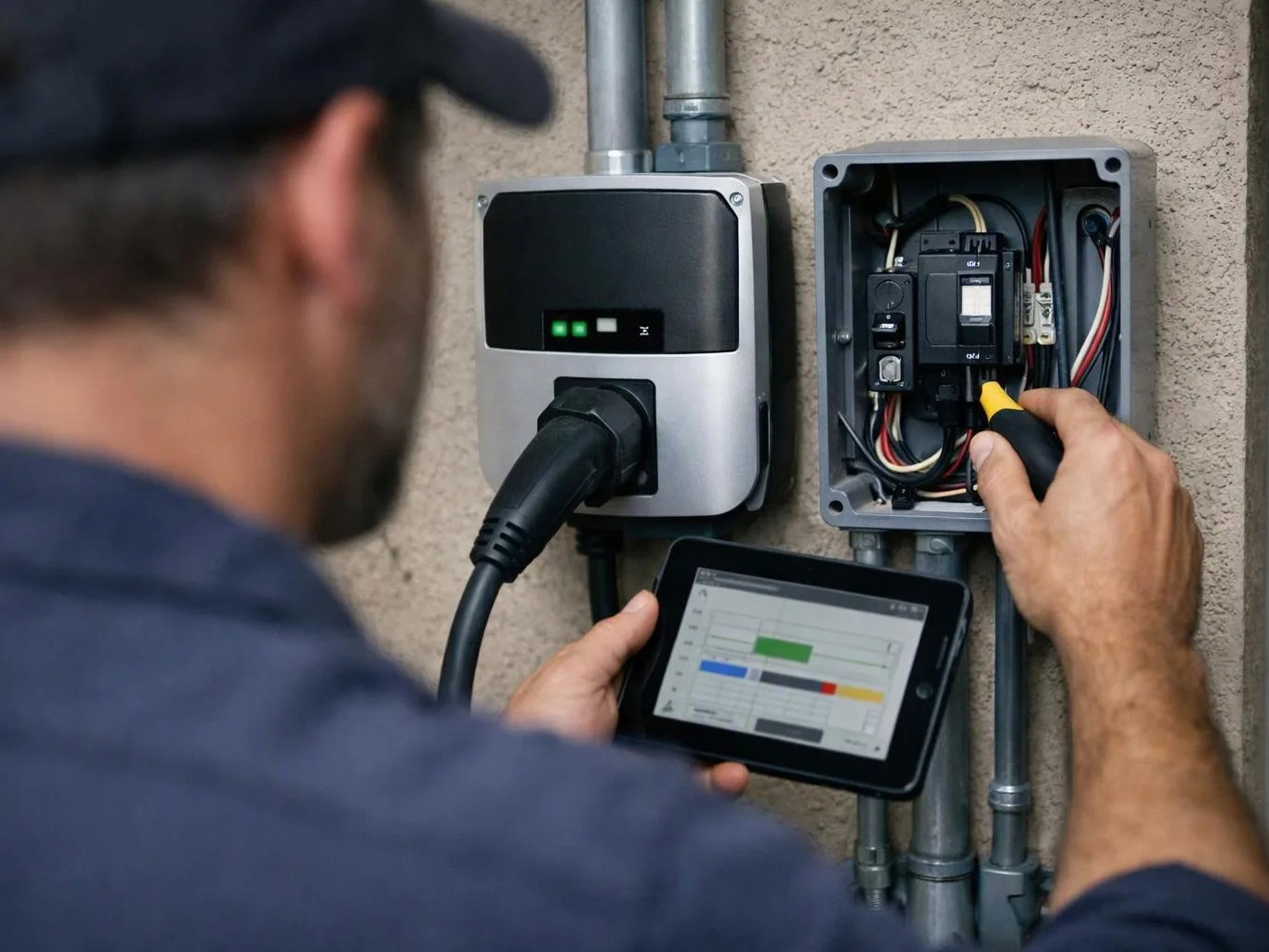
A technician inspects an open electrical box beside a wall-mounted charging unit while holding a tablet

ZIP Codes We Serve in West Covina, California

91790917919179291793

Bidirectional EV Charging System Installation in Other Areas

(949) 850-2844