Skip to content

Bidirectional EV Charging Installation in Pico Rivera, California

Utility connection planning supports bidirectional charging work in Pico Rivera. We match the charger, electrical panel, load controller, and backup circuit to the building's needs.

Licensed & InsuredFree EstimatesWarranty AvailableSame-Day Service

Quick Summary: Bidirectional EV Charging System Installation in Pico Rivera, California

Bidirectional EV Charging System Installation in Pico Rivera is provided by Santa Ana Electrician for homes, landlords, businesses, and property managers. The work covers utility connection planning, panel checks, load control, grounding, and backup circuit setup, with service across nearby Orange County communities.

  • What we do: Santa Ana Electrician provides Bidirectional EV Charging System Installation for homes and businesses in Pico Rivera, California.
  • What is included: We assess the electrical panel, load controller, grounding system, utility connection, and backup circuit.
  • What you get: The building receives a bidirectional charging setup with its electrical path and backup circuit clearly checked.

Why does bidirectional charging need a utility connection in Pico Rivera, California?

A utility connection links the building to the electric supply while the charging system manages energy moving into or out of the building. Panel capacity, grounding, and backup circuit design must match that flow. Santa Ana Electrician checks the electrical path before setting the work scope.
Bidirectional EV Charging System Installation for Pico Rivera Buildings

Bidirectional charging connects an EV system with selected building circuits, so the vehicle and building can share energy. The job suits owners who want charging equipment tied to building power and who need a planned backup circuit.

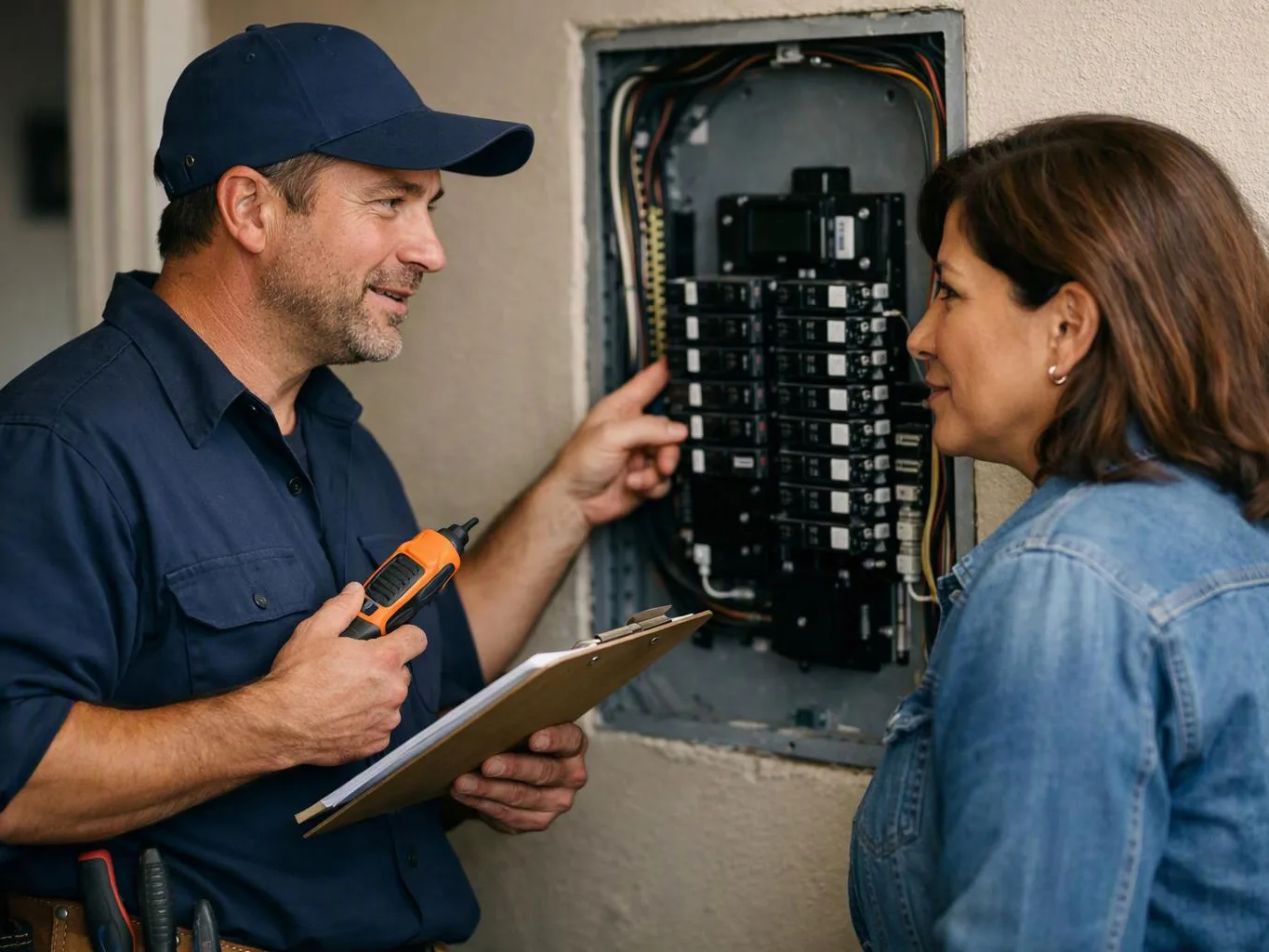
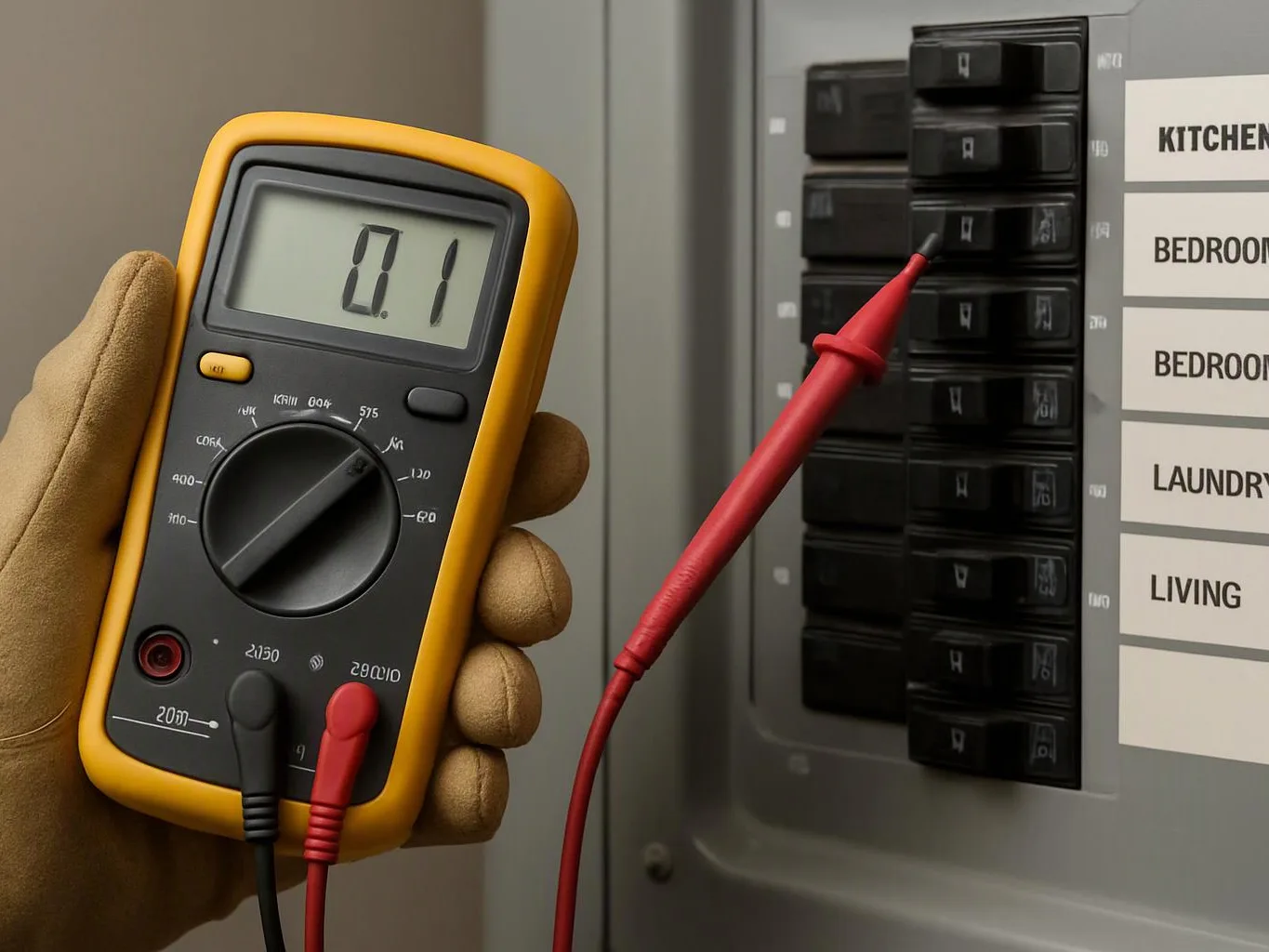
The main decision is whether the existing electrical panel and wiring can support that arrangement. Our team reviews the panel, load controller, grounding system, and backup circuit before we define the installation scope.

This page focuses on the building connection, not a standard charger swap. A standard charger may only deliver energy to the vehicle, while bidirectional work also addresses controlled energy flow back to the building.

  • Check the electrical panel and available capacity before selecting the charging setup.
  • Review the load controller and how it will manage energy flow.
  • Trace the grounding path and identify the backup circuit.
  • Confirm which building circuits belong in the planned backup arrangement.
  • Ask for a quote based on the building, equipment, wiring, and installation scope.
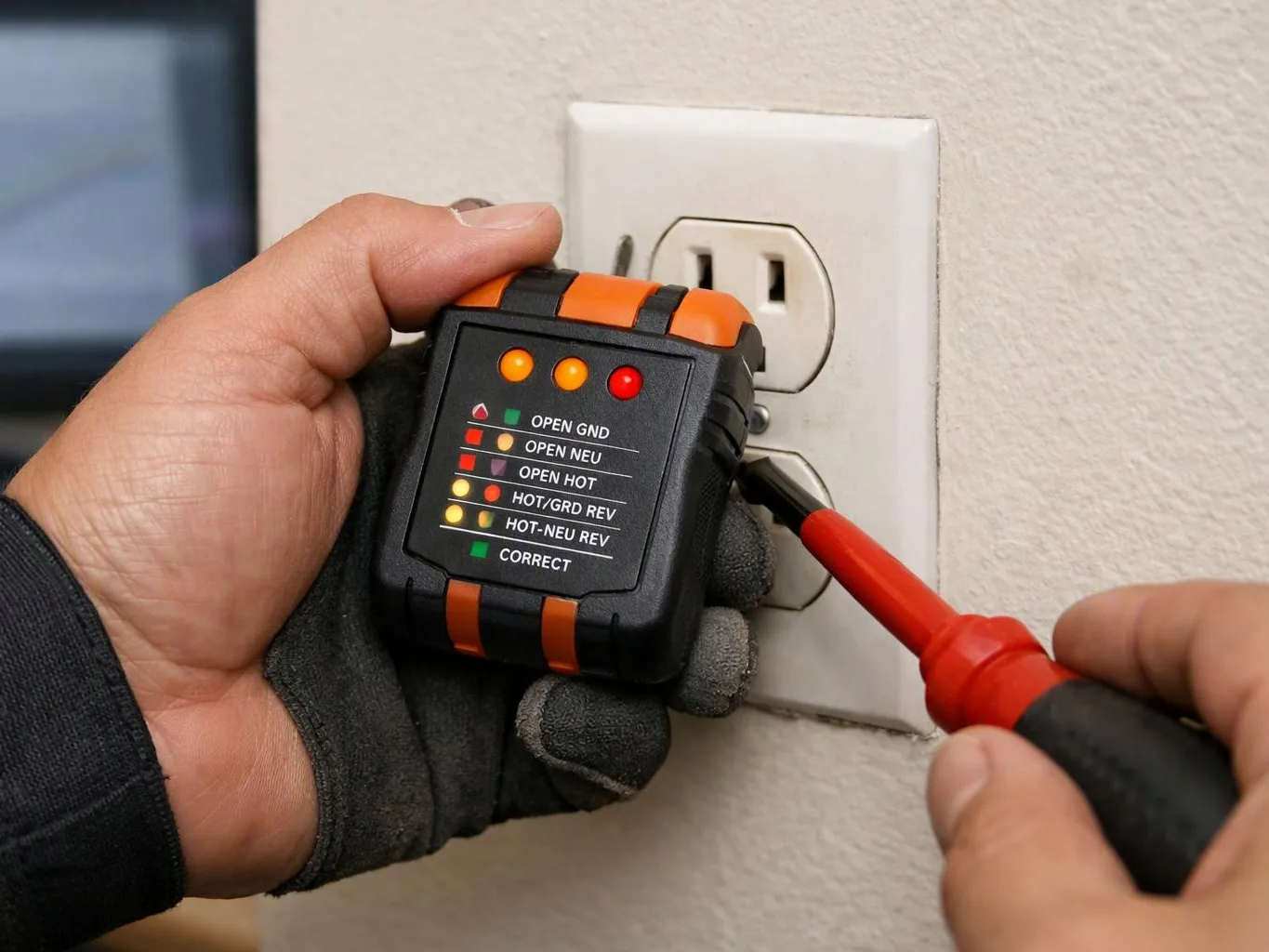
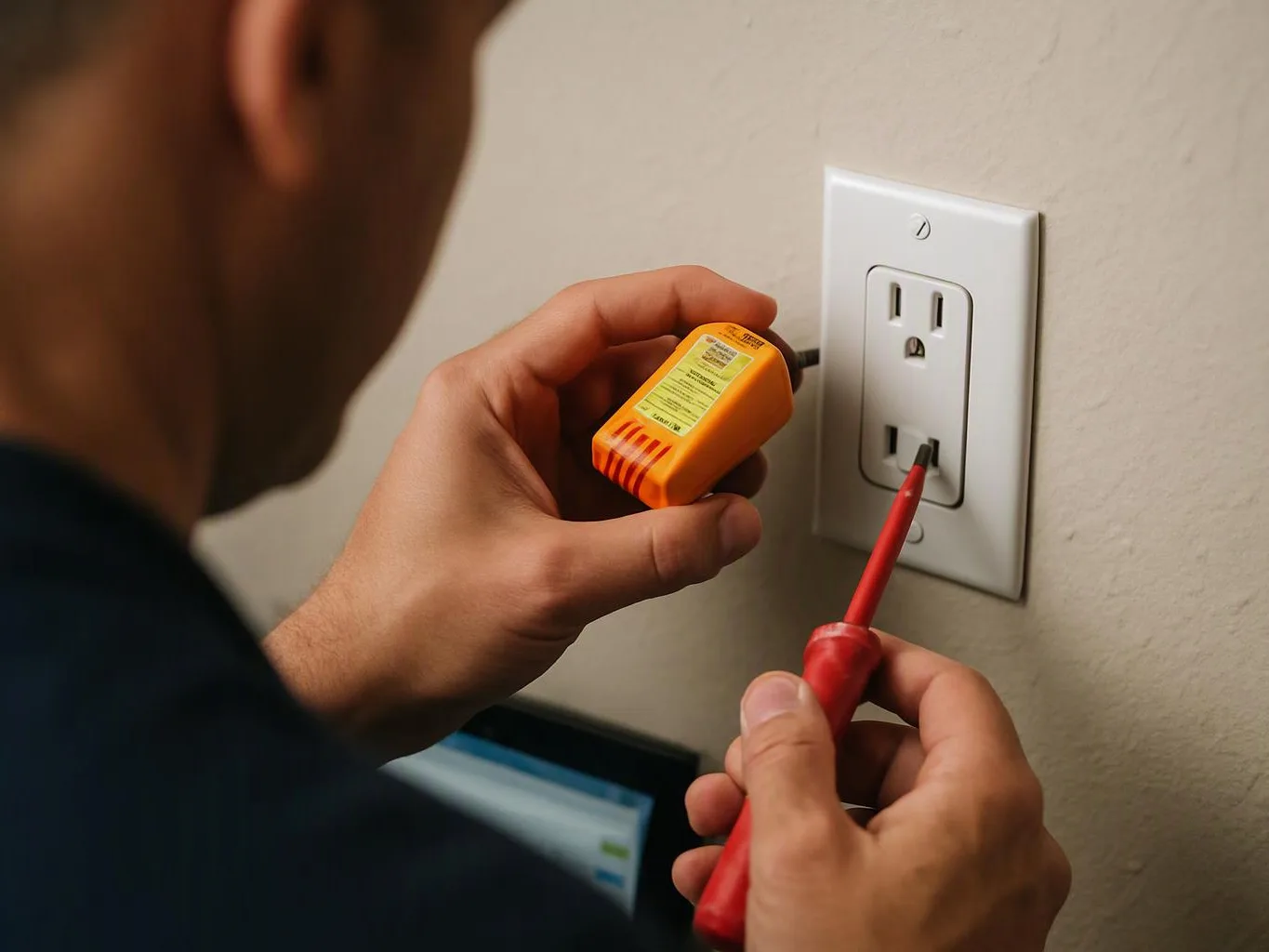
A person tests a wall outlet with a red probe while holding an orange electrical device in a room

Service Overview

Bidirectional EV Charging System Installation is electrical work that lets an EV charger move energy between a vehicle and a building.

  • Unlike standard EV charging installation, bidirectional work also checks energy flow back to selected building circuits.
  • Santa Ana Electrician provides this service for homes and businesses in Pico Rivera.

What Bidirectional Charging Installation Includes

Santa Ana Electrician provides comprehensive Bidirectional EV Charging System Installation in Pico Rivera. Here's what you get:

  • We inspect the electrical panel and trace the circuits that support the charging system.
  • We complete a load calculation for the planned charging and backup arrangement.
  • We review the load controller and its connection to the building's electrical system.
  • We check grounding paths and identify corrections that the installation may need.
  • We plan the backup circuit and connect the selected building loads within the agreed scope.
  • We test the wiring and charging path after the installation work is complete.
Process

How We Install Bidirectional Charging Connections

1

Inspect the electrical panel

We review the panel, identify its circuits, and trace the wiring that may serve the charging system.

2

Complete the load calculation

We compare current building demand with the proposed charging and backup circuit load.

3

Plan the load controller

We set the control point for energy flow between the EV system and selected building circuits.

4

Check grounding and backup wiring

We inspect grounding paths and define the backup circuit within the approved installation scope.

5

Test the connected system

We test the wiring, charging path, and selected circuits after installation work is complete.

When this service is the right fit

A property owner in Pico Rivera asks for vehicle-to-building charging, but the existing panel has no clearly marked backup circuit. We trace the panel, check the grounding path, review the load controller, and set the scope around the circuits the owner wants supported. If the electrical work requires local approval, we explain that step before installation begins.

How We Approach This Charging Work

Panel capacity comes first

The electrical panel sets the starting point for the work. We review its circuits and complete a load calculation before we set the installation scope.

Backup loads need a clear boundary

A backup circuit should identify the building loads the system is meant to support. We trace those circuits and explain what belongs in the planned arrangement.

Some buildings need a different service

A standard EV charger may fit a building that only needs one-way charging. We focus on bidirectional work when the customer needs energy to move back to selected building circuits.

What This Charging Setup Changes for You

Bidirectional charging gives the building a planned path for energy to move between the EV and selected circuits.

A load controller helps manage demand across the charger, panel, and building loads.

A defined backup circuit makes the intended building loads easier to identify and test.

Grounding checks support safer operation of the charging equipment and connected wiring.

Panel review helps you decide whether the current electrical system fits the planned installation.

One-Way and Bidirectional EV Charging

This comparison helps property owners choose the electrical work that matches their goal.

Charging optionEnergy pathBest fit
Standard EV chargingEnergy moves from the building to the vehicle.Owners who only need vehicle charging.
Bidirectional EV chargingEnergy moves between the vehicle and selected building circuits.Owners who want a planned connection to backup loads.

The Santa Ana Electrician Standard

  • Initial Assessment
  • Systematic Troubleshooting
  • Safety-Minded Repairs
  • Clear Recommendations

Questions About Bidirectional Charging Installation

How does bidirectional charging connect to a building?

Utility connection planning links the charger to the building's electrical supply and selected circuits. Santa Ana Electrician reviews the panel, grounding system, load controller, and backup circuit before installation. The final wiring path depends on the building's electrical layout and the loads the customer wants supported.

What should be checked before this installation is scheduled?

The electrical panel, load calculation, grounding path, and intended backup circuit should be checked first. We also review the wiring route and the load controller's place in the system. These checks help define the work and show whether the building needs electrical changes before the charger is connected.

Who is a good fit for bidirectional charging, and who needs a different service?

Santa Ana Electrician installs bidirectional systems for owners who want an EV connected to selected building circuits. A customer who only wants to charge the vehicle may need standard EV charging installation instead. We review the goal, panel, backup circuit, and electrical load before recommending the work scope.

What happens at each stage of the installation?

The installation starts with a panel review and load calculation, then moves to circuit planning, grounding checks, equipment connections, and testing.

  1. We map the electrical panel and selected loads.
  2. We plan the load controller and backup circuit.
  3. We connect and test the charging path.

Which part of the job changes the price most?

The electrical scope drives the price, especially panel capacity, wiring distance, grounding work, load control, and backup circuit requirements. We review those items before giving a free estimate. Equipment selection and any needed panel work also shape the final quote.

When should a property owner request this service?

A property owner should request an assessment when an EV system needs to share energy with selected building circuits. We check the panel and backup plan before equipment is connected. Urgent electrical symptoms, such as a burning smell or buzzing panel, need electrical attention before planned charging work.

Why does a backup circuit matter in a bidirectional system?

A backup circuit identifies which building loads the EV system is intended to support. We trace and label that circuit during planning, then check its wiring and grounding. The arrangement won't support every building load unless those loads are included in the electrical design.
Contact

Request a Bidirectional Charging Installation Estimate

Tell Santa Ana Electrician about your Pico Rivera property and charging goal, and urgent requests get priority scheduling.

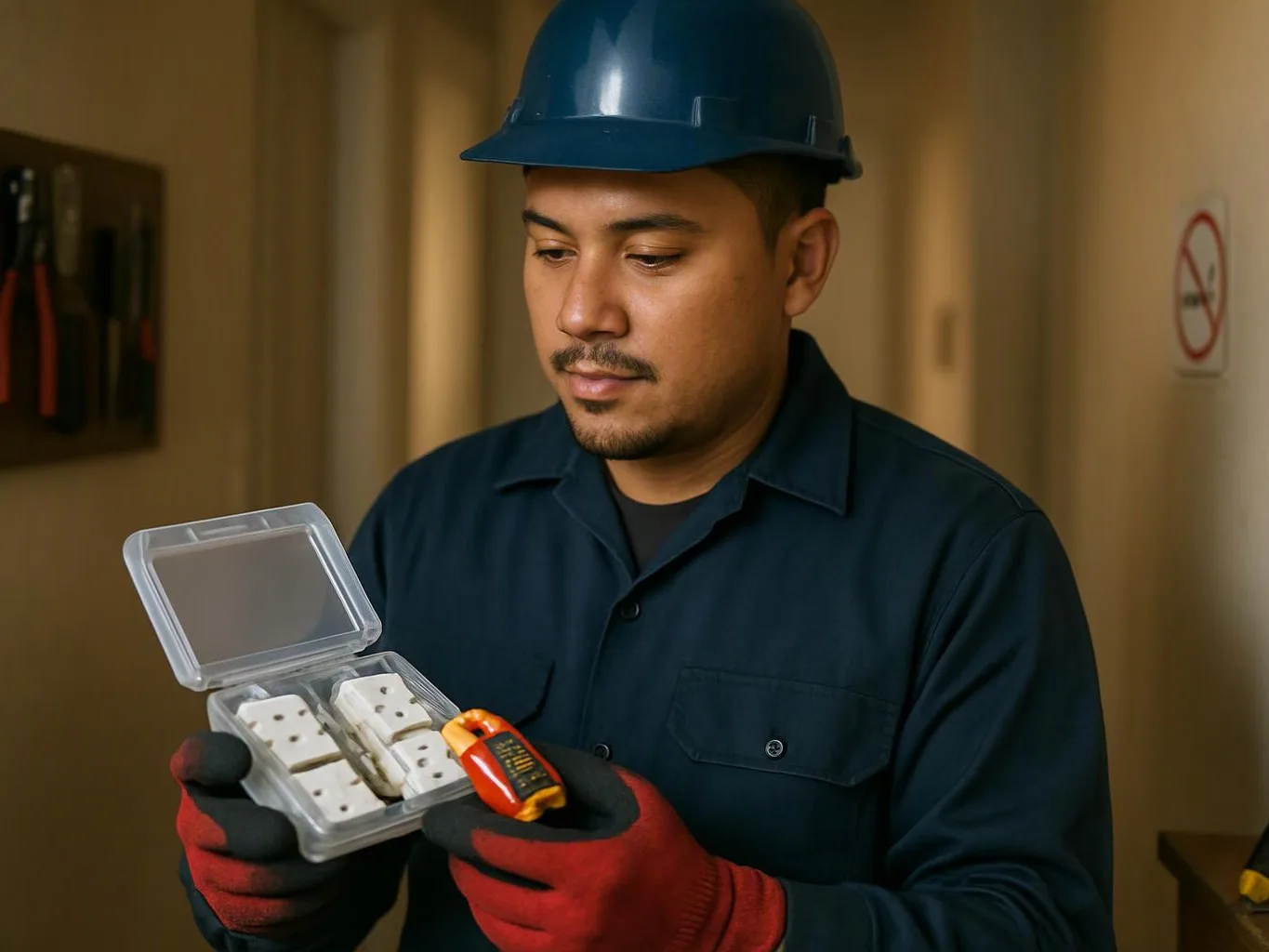
A hard hat worker inspects a plastic case of outlets and a voltage tester in a hallway

ZIP Codes We Serve in Pico Rivera, California

906609066190662

Bidirectional EV Charging System Installation in Other Areas

(949) 850-2844