Electrical Services for Landlords and Property Managers
Electrical services for landlords and property managers include emergency troubleshooting, rental safety inspections, code compliance checks, panel and outlet repairs, and detector installation; Santa Ana Electrician handles these property-focused needs.
Get a Free EstimateWhat Electrical Services Do Rental Properties Need?
Rental properties need troubleshooting, safety inspections, compliance checks, repairs, and life-safety detector installation to support safe occupancy and consistent property operations. We coordinate the work around the property condition, the reported issue, and the access plan.
Our team can assess the electrical system, trace an electrical fault, and explain the repair scope. Common services include Emergency Electrical Troubleshooting, an Electrical Safety Inspection, electrical code compliance inspection, electrical panel repair, outlet repair, smoke detector installation, and carbon monoxide detector installation.
We record relevant inspection findings and repair documentation so the landlord or property manager can track the rental property electrical inspection and related maintenance.
How Electrical Needs Differ for Landlords and Other Customers
Landlords and property managers need coordinated service across occupancy, access, documentation, and rental turnover. Other customers often focus on one home and one immediate repair, while managed properties require consistent records and communication.
The comparison below shows how the service decision can change by customer type.
| What is being compared | Landlords and property managers | Other customers |
|---|---|---|
| Primary concern | Tenant safety and reliable property operations | Comfort, safety, or repair at one property |
| Scheduling | Tenant scheduling, access coordination, and turnover needs | Occupant scheduling for the home |
| Documentation | Inspection records, repair history, and work authorization | Repair details for personal records |
| Service scope | Repeated maintenance across units or properties | A single system, circuit, or outlet concern |
| Communication | Updates shared with owners, managers, and tenants | Updates shared with the occupant or owner |
Why Landlords and Property Managers Need Electrical Support
Electrical support helps landlords and property managers protect occupants while keeping maintenance decisions organized. We connect tenant reports with practical inspection and repair steps.
Which Electrical Features Matter Most in Rental Properties?
Rental properties need electrical features that support safe daily use and clear maintenance decisions. We check the condition and operation of relevant components during the agreed service.
What Electrical Challenges Do Property Managers Commonly Face?
Property managers commonly face urgent reports, limited access, and electrical problems that are not visible during a quick visit. We organize fault diagnosis around the tenant complaint, the affected area, and the property schedule.
How We Inspect and Repair Electrical Systems in Rental Properties
Our rental property electrical inspection process connects access planning, assessment, repair decisions, and documentation. We explain what we find before moving beyond the agreed scope.
When Should a Rental Property Receive an Electrical Inspection?
A rental property should receive an electrical inspection when it changes occupants, undergoes work, develops recurring electrical symptoms, or needs documented safety and compliance review. We tailor the inspection to the property condition and the reason for the request.
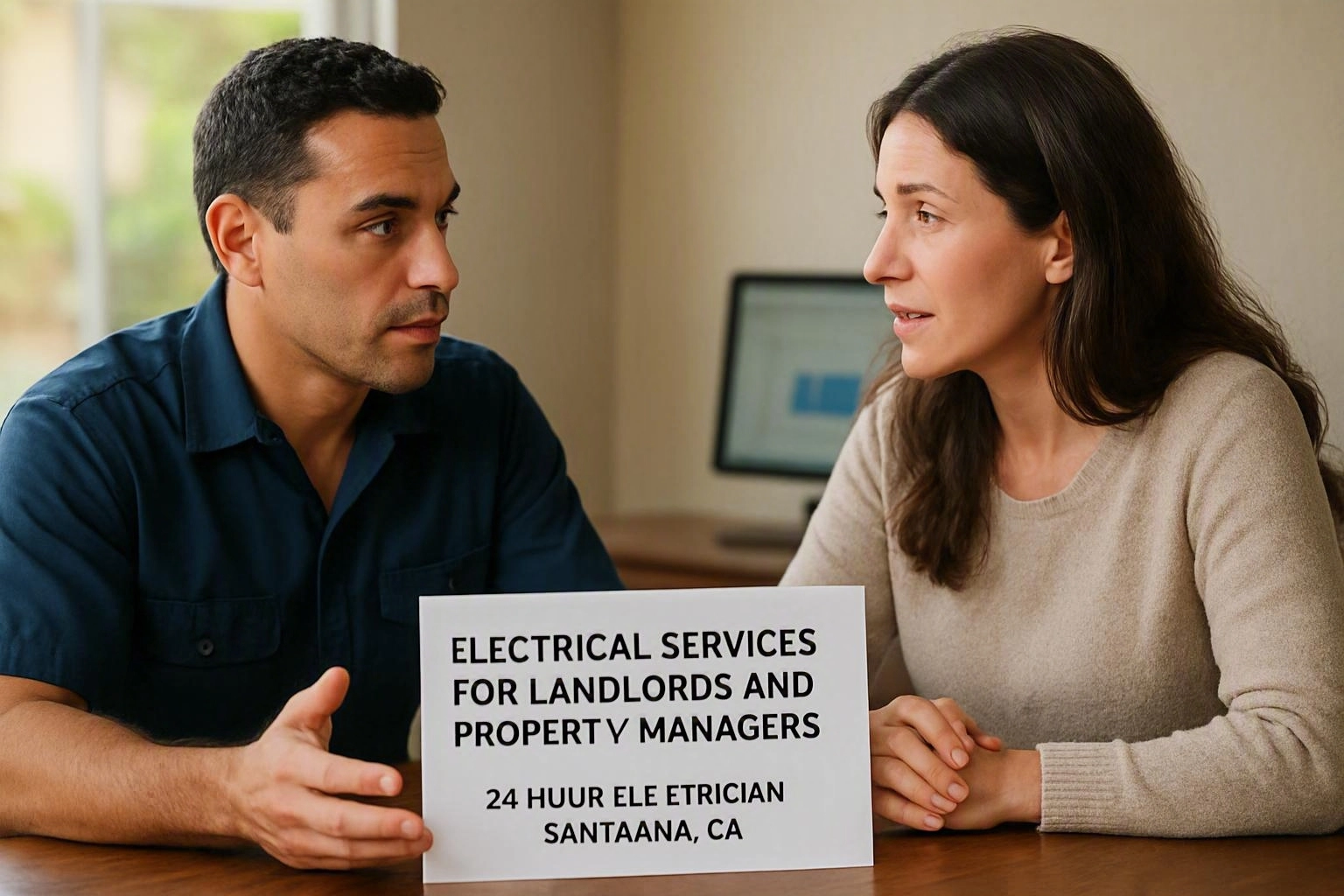
A move-in inspection can identify concerns before occupancy. Rental turnover can also reveal damaged outlets, detector concerns, or circuit problems that need attention.
Renovation work, recurring breaker trips, flickering, or other electrical symptoms may call for an electrical safety inspection. A property change of ownership may also require an electrical code compliance inspection and organized inspection records.
Who Handles Electrical Repairs in a Rental Property?
Santa Ana Electrician handles the electrical repair work after the landlord or property manager coordinates the request and authorizes the scope. The tenant reports the problem, while the responsible property contact provides access and repair direction.
We diagnose the electrical issue, explain the repair scope, and complete the requested work. Property managers can use the resulting service documentation to update maintenance records and communicate with the owner or tenant.
What Should Landlords Include in an Electrical Maintenance Plan?
An electrical maintenance plan should record inspections, repairs, detector condition, panel concerns, tenant reports, and the process for escalating urgent faults. We help organize those details around the actual property condition.
Preventive maintenance should include inspection records and repair history. Detector testing, panel condition reviews, and tenant communication can help reveal problems before they become disruptive.
The plan should also state who can authorize electrical repair and how emergency escalation works. Clear records support safer decisions during occupancy changes and future service visits.
How We Scope Electrical Work for Property Managers
We scope electrical work by reviewing property condition, affected circuits, access requirements, repair materials, and code-related corrections. The estimate scope reflects the issue we can assess and the work needed to address it.
Multiple affected circuits may require broader testing than one damaged outlet. Occupied areas, tenant scheduling, and restricted access can also shape the work plan.
Santa Ana Electrician provides Free Estimates Available when the requested work can be evaluated for an estimate. We explain what the estimate covers so the property manager can authorize a clear scope.
Which Electrical Service Fits the Property Problem?
The right electrical service depends on whether the property has an urgent fault, a safety concern, a compliance question, or a failed component. We match the request to the condition described and confirm the scope after assessment.
The table below connects common property problems with the service we can provide.
| Property problem | Electrical service | What we address |
|---|---|---|
| Power loss, burning odor, or sparking | Emergency electrical troubleshooting | Suspected hazards and the source of the fault |
| General safety concerns | Electrical safety inspection | Visible conditions, operation, and inspection findings |
| Questions about work or property condition | Electrical code compliance inspection | Conditions that may need code-related correction |
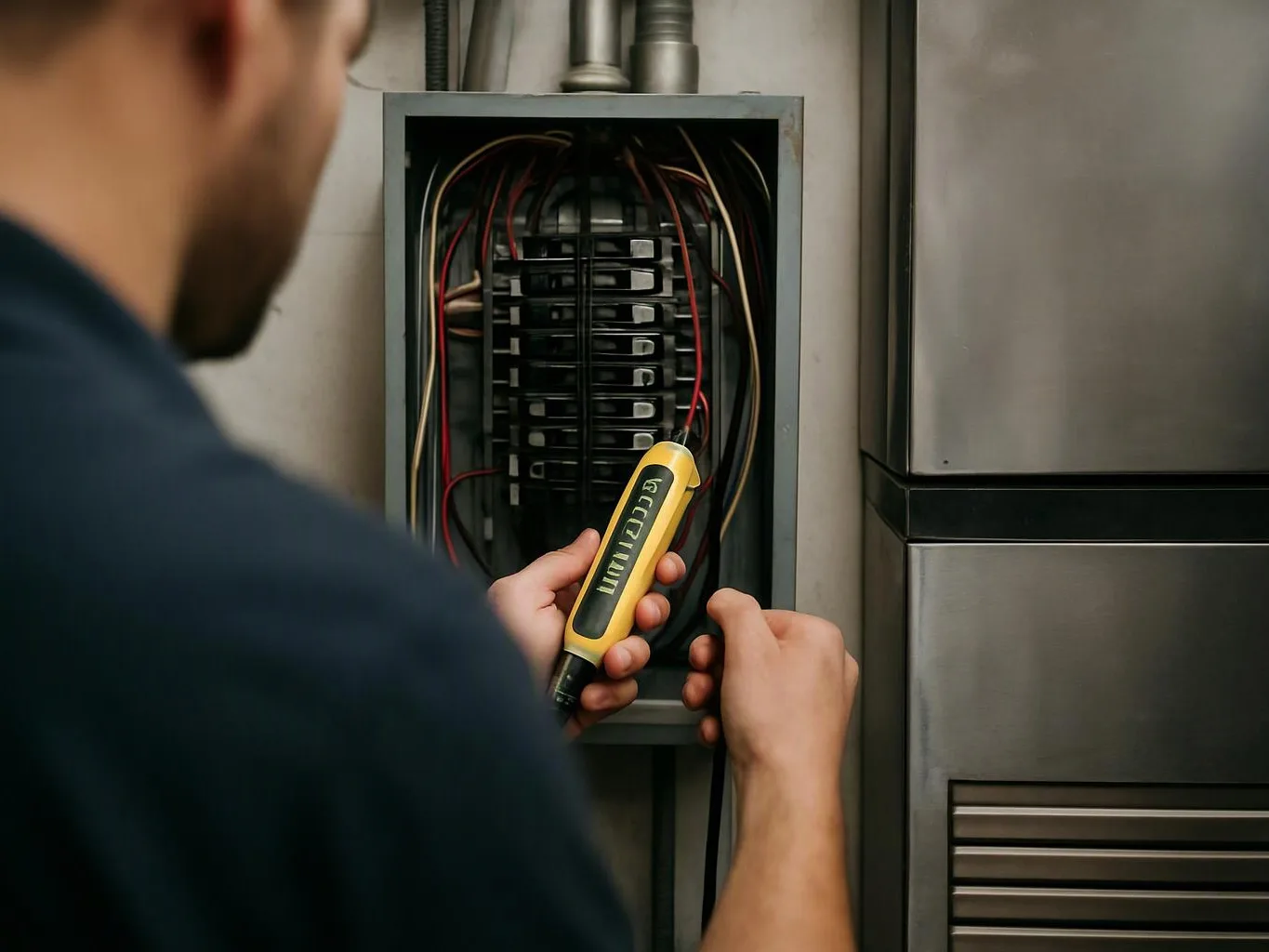
| Breaker or panel concern | Electrical panel repair | Panel condition, breakers, and affected circuits |
| Failed or damaged receptacle | Outlet repair | Outlet operation, wiring, and related circuit concerns |
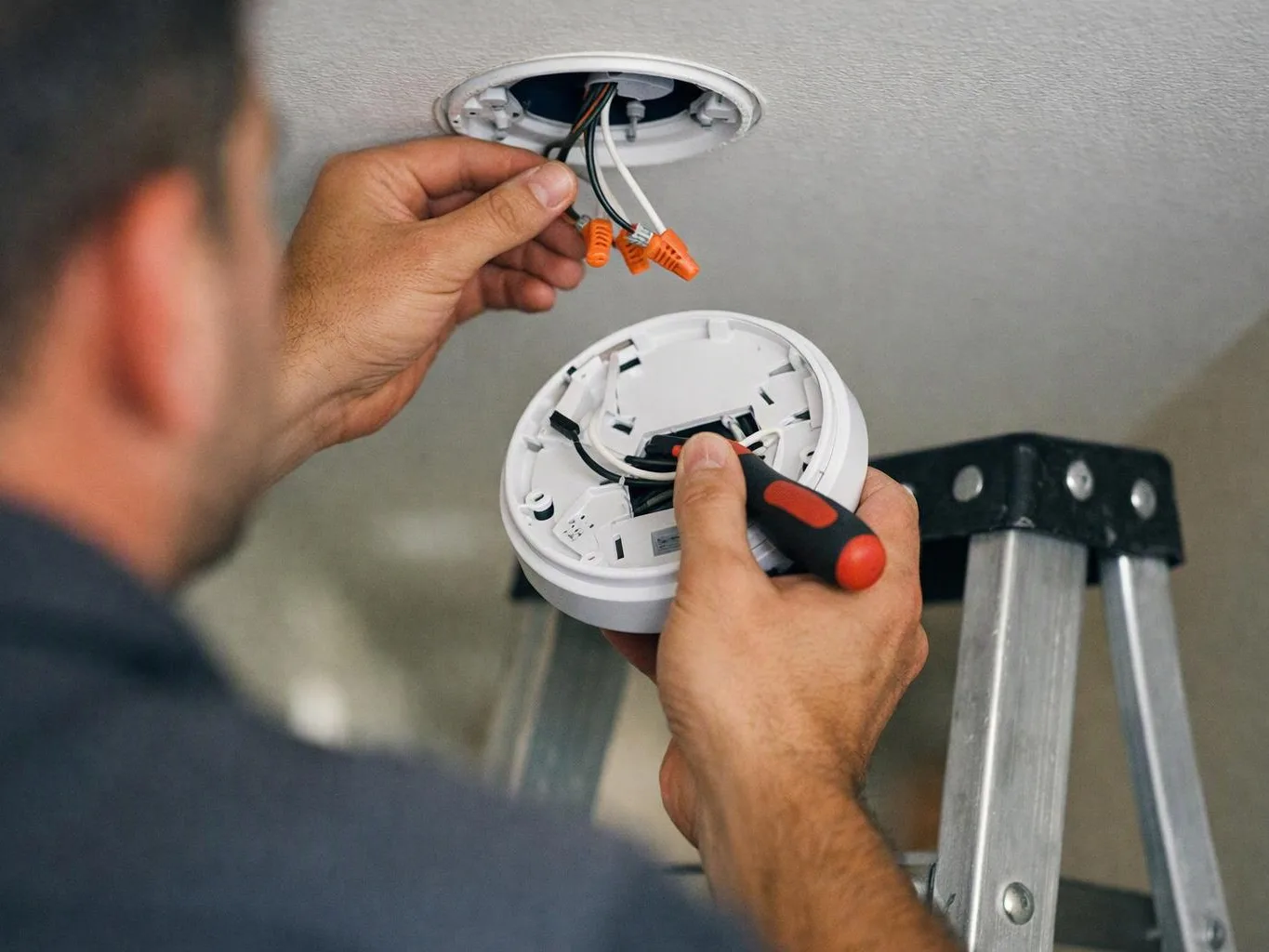
| Missing or faulty life-safety device | Smoke detector installation or carbon monoxide detector installation | Device placement, connection, and operation within the requested scope |
What Should You Do When a Rental Property Has an Electrical Emergency?
When a rental property has an electrical emergency, protect occupants from the suspected hazard, avoid disturbing damaged equipment, and contact Santa Ana Electrician for emergency electrical troubleshooting.
How Can Landlords Arrange Electrical Service for Multiple Properties?
Landlords can arrange electrical service for multiple properties by providing the property details, reported symptoms, access instructions, and requested inspection or repair scope. We use those details to support portfolio maintenance and service coordination.
Property managers can group related maintenance requests while keeping each rental property's address, tenant scheduling needs, and work authorization clear. Our team can then document inspection findings and completed repairs for the relevant maintenance records.
For an electrical service request, contact Santa Ana Electrician through our contact page.
Questions About Rental Property Electrical Services
Can a property manager arrange emergency electrical troubleshooting for a tenant?
Yes, a property manager can arrange emergency electrical troubleshooting for a tenant by sharing the reported hazard, property access details, and repair authorization with Santa Ana Electrician.
What should a landlord document after an electrical repair?
A landlord should document the reported problem, affected circuit or outlet, repair scope, safety findings, access details, and completed work after an electrical repair.
Should rental property electrical inspections include smoke and carbon monoxide detectors?
Yes, rental property electrical inspections should review smoke detectors and carbon monoxide detectors when those life-safety devices are included in the requested scope.
What electrical warning signs should tenants report immediately?
Tenants should report a burning odor, sparking outlet, unusual heat, smoke, repeated power loss, or a tripped breaker that points to a possible electrical hazard.
Can electrical inspections help prepare a property for tenant turnover?
Yes, electrical inspections can help prepare a property for tenant turnover by identifying outlet damage, detector concerns, panel issues, and other conditions that need repair documentation.