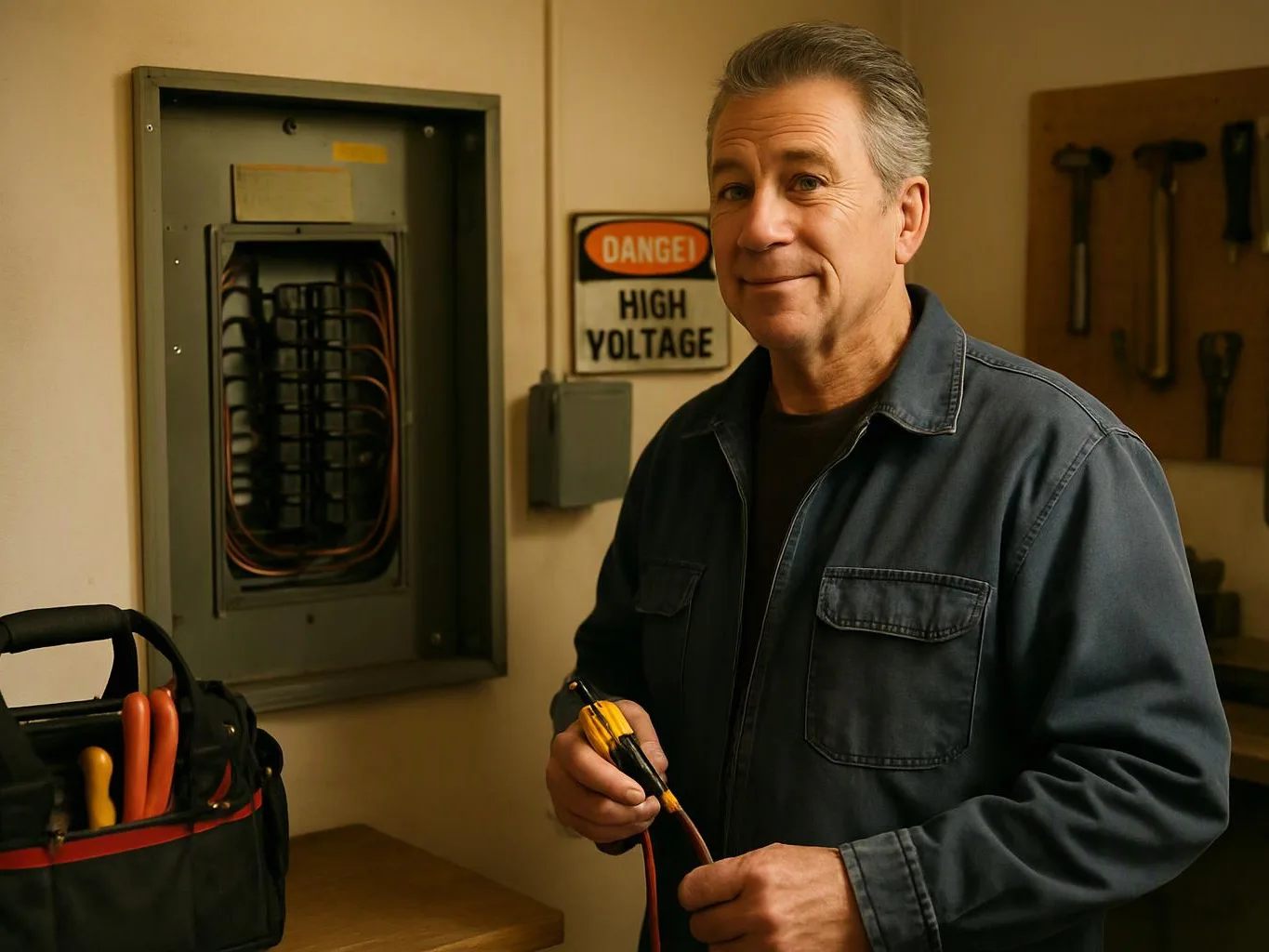
The Benefits of a Professional Electrical Safety Inspection
Electrical safety inspections help identify hazards, verify the condition of wiring and devices, prioritize repairs, and support safer electrical decisions; Santa Ana Electrician performs the inspection and explains the findings.
Get a Free EstimateWhy an Electrical Safety Inspection Matters
Professional electrical safety inspections matter because a structured review can reveal unsafe conditions and clarify which electrical concerns need attention. Our team examines the accessible parts of your electrical system and explains what each finding may mean for safe operation.
Homeowners may notice an electrical hazard only after a device stops working, a breaker trips, or visible damage appears. We use an electrical safety assessment to connect visible conditions with possible safety concerns and repair priorities.
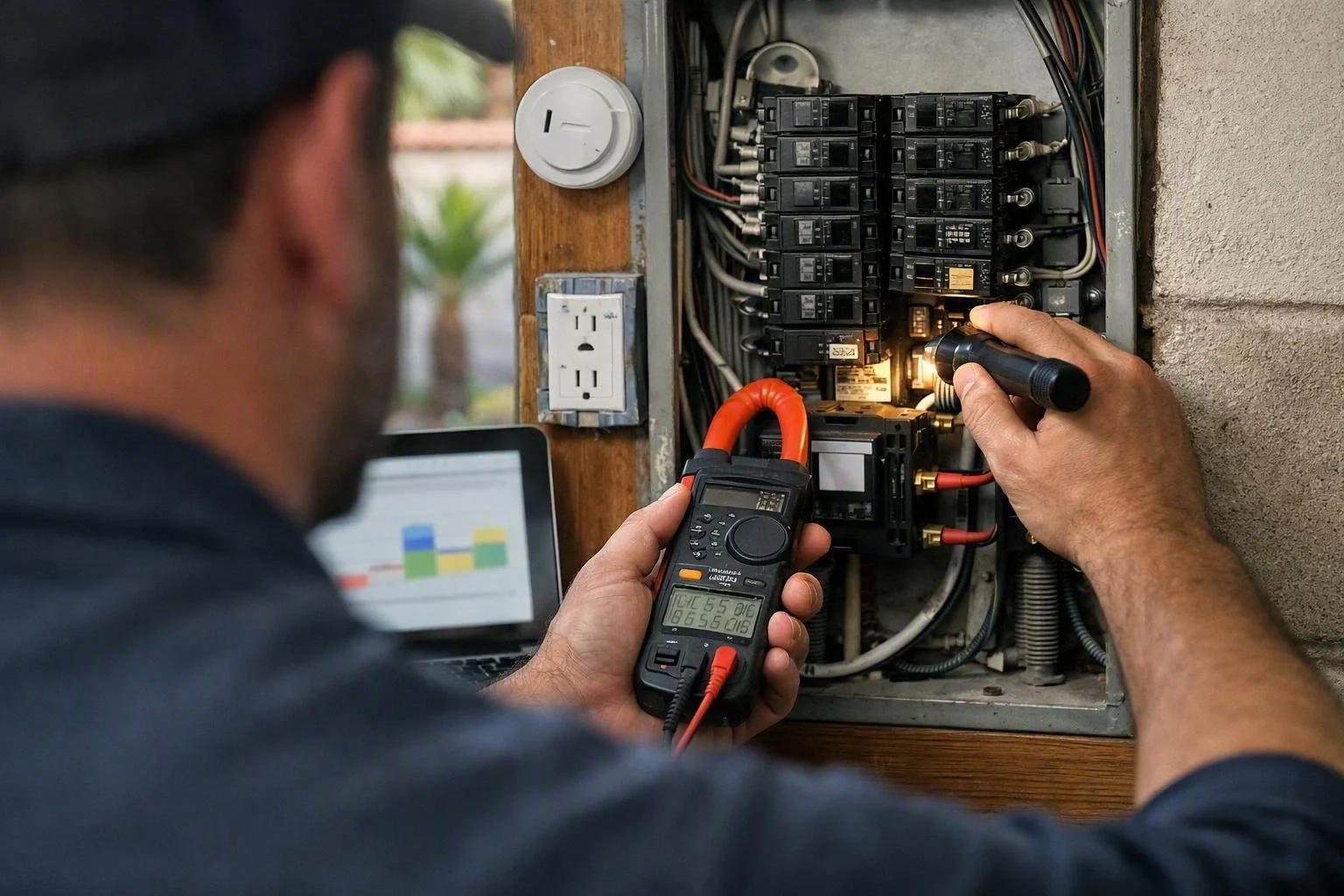
What Are the Main Benefits of an Electrical Safety Inspection?
An electrical safety inspection provides benefits by identifying electrical hazards, evaluating system condition, and guiding repair priorities. Each finding helps you decide whether to address a safety concern, plan preventive maintenance, or request a more focused electrical repair.
We review accessible components and document conditions that may affect safe operation, code compliance, or future electrical work.
How Does an Inspection Help Identify Electrical Hazards?
An electrical safety inspection helps identify hazards by examining visible conditions, connections, protective devices, and signs that electrical components may not be operating safely. We look for overheating, exposed wiring, loose connections, and a damaged outlet that could create a safety risk.
Grounding and circuit protection also affect how an electrical system responds to faults. Our team checks accessible grounding parts and protective devices, then explains when a condition may require electrical repair or further testing.
What Does an Electrician Check During an Inspection?
An electrical safety inspection checks the panel, accessible wiring, outlets, switches, grounding, circuit protection, and relevant safety devices. Our crew follows the inspection scope and records conditions that can guide the next decision.
The exact review depends on access, the property, and the concerns you report. We explain any component that needs closer attention before recommending qualified electrical work.
How Can an Inspection Clarify Electrical Repair Priorities?
An electrical safety inspection clarifies repair priorities by separating urgent safety concerns from conditions that can be monitored or addressed during planned electrical work. We use the inspection findings to explain whether the concern involves an electrical panel repair, GFCI outlet repair, wiring repair, or another action.
A condition that affects circuit protection or shows active overheating may need prompt attention. Other findings may support a planned repair recommendation after we review the full system and the intended use of the property.
This approach helps you connect each repair priority to its safety risk and understand why the work matters. It also supports an electrical code compliance inspection when a property change, renovation, or permit-related review calls for one.
What Happens During an Electrical Safety Inspection?
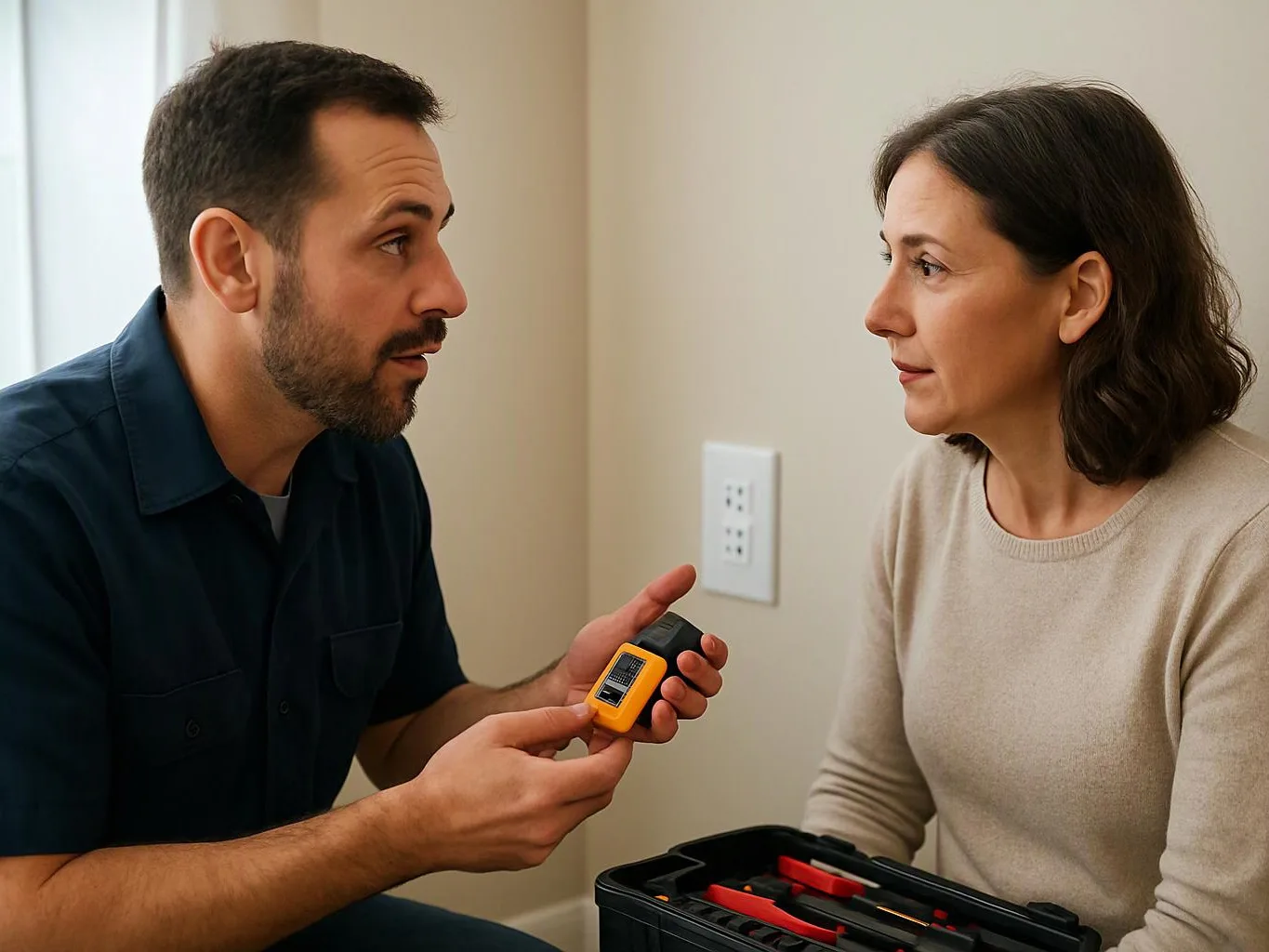
An electrical safety inspection includes a review of accessible components, an assessment of their condition, appropriate checks, and an explanation of findings and recommended next steps. We begin by discussing the inspection scope and any recurring electrical problem you have noticed.
Our team then performs a visual inspection and electrical testing that fits the accessible system components. We document inspection findings and explain each recommended repair in clear terms.
An Electrical Safety Inspection can also help establish a condition record before remodeling, property purchase, or other electrical work. When the review points to code-related questions, we can explain whether an Electrical Code Compliance Inspection is appropriate.
How Often Should Electrical Systems Be Inspected?
Electrical systems should be inspected when their condition, age, use, recent changes, or recurring problems create a reason to verify safety rather than relying on a fixed schedule alone. We help assess whether an inspection condition justifies a review for your property.
A home purchase, property renovation, or remodeling project can create a practical reason to inspect accessible wiring and devices. Recurring electrical problems, changes in how a space is used, or concerns about an older electrical system can also support an inspection.
We use the property history and your reported concerns to define a useful inspection scope. That approach keeps preventive maintenance connected to the actual condition of the electrical system.
What Should You Do After an Electrical Inspection?
After an electrical inspection, review the findings, address safety-related recommendations first, and request a quote from Santa Ana Electrician for the work that applies to your system. We can explain what the recommended electrical repair includes and why it received its repair priority.
Keep the inspection report with your property records and use it when planning remodeling, maintenance, or an electrical code compliance inspection. If the report identifies a concern that needs more investigation, our team can explain the next step before work begins.
For a clear review of your electrical safety concerns, contact us through our contact page and request an estimate based on the inspection scope and recommended work.
Questions About Electrical Safety Inspections
Can an electrical safety inspection find problems that are not visible?
Yes, an electrical safety inspection can identify some problems that are not visible through appropriate checks of accessible connections, protective devices, grounding, and circuit behavior. Santa Ana Electrician explains when a finding needs further testing or targeted electrical repair.
Does an electrical inspection include outlets and wiring?
Yes, an electrical inspection can include accessible electrical outlets and wiring as part of the inspection scope. We look for damage, loose connections, exposed conductors, overheating, and other conditions that may affect safe operation.
Can an electrical safety inspection confirm whether a GFCI outlet works correctly?
Yes, an electrical safety inspection can include an appropriate check of an accessible GFCI outlet and its ground fault protection. We explain the result and recommend GFCI outlet repair when the device does not operate as expected.