What to Expect When Installing Lights, Recessed Lighting, or a Ceiling Fan in Santa Ana, California
Ceiling fan and lighting installation process cost depends on the fixture, existing wiring, ceiling access, mounting support, controls and finish work; Santa Ana Electrician checks these conditions, explains the quote and completes the installation safely.
Get a Free EstimateWhat Determines Your Ceiling Fan or Lighting Installation Quote?
Ceiling fan and lighting installation quote scope depends on the fixture type, wiring condition, mounting support, access, controls and related electrical work. Santa Ana Electrician reviews these factors before explaining the work and price.
Ceiling fan installation may require a rated electrical box, ceiling support and new switch controls. Indoor lighting installation and light fixture installation may use existing wiring when the power supply, connections and fixture location are suitable.
Recessed lighting installation can involve recessed housing, ceiling access, electrical cable and finish work around the light trim. We explain each part of the installation quote so you can see what the project requires. Ceiling Fan Installation
What We Check Before Installing a Light or Ceiling Fan
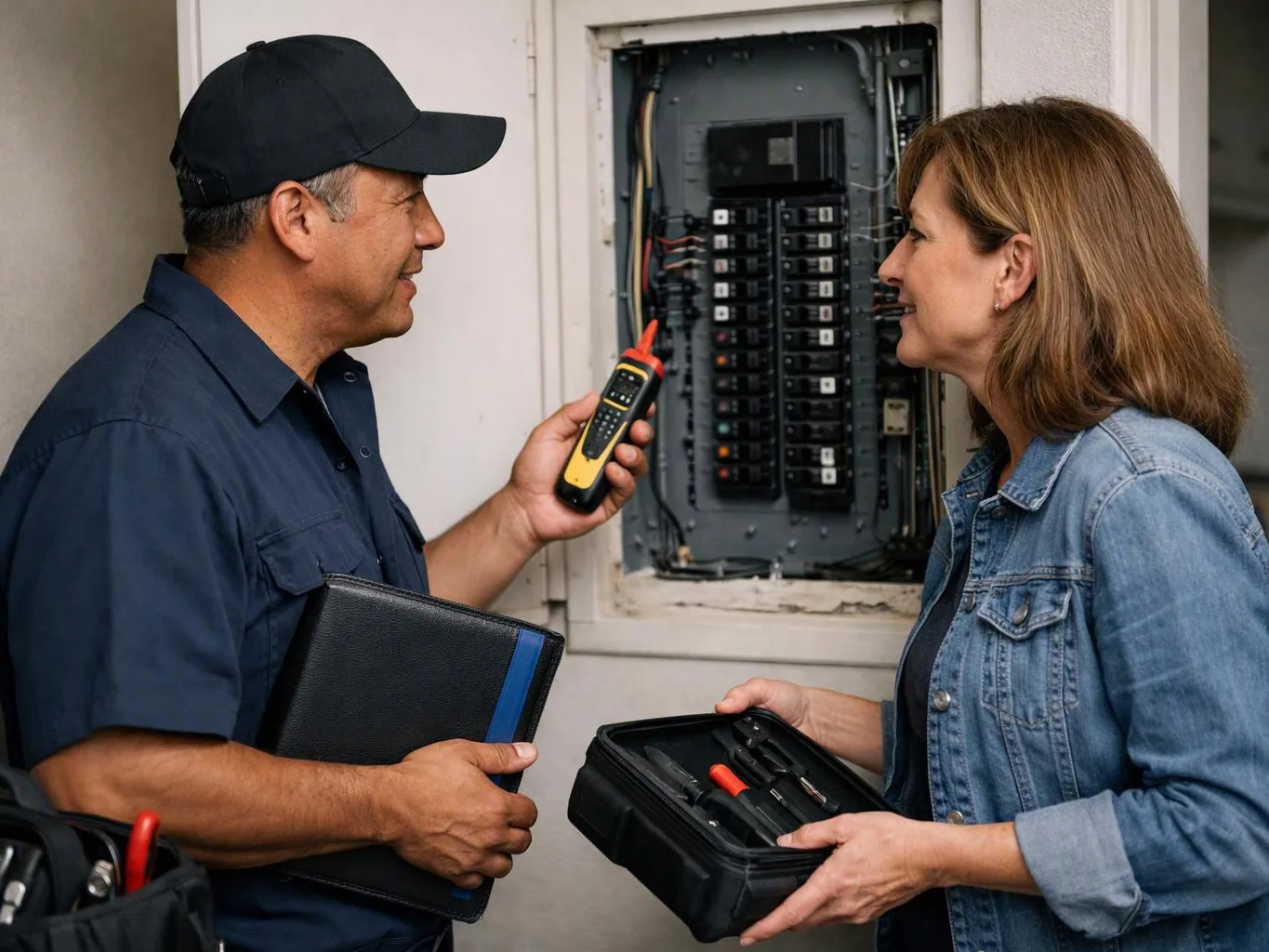
Electrical inspection shows whether the circuit capacity, junction box and existing wiring can serve the planned fixture. We check the power supply, connections and electrical circuit before selecting the installation method.
Our team checks the ceiling structure, ceiling support, fixture location and wall switch position. We also review access above or below the ceiling because limited ceiling access can affect wiring and finish work.
For outdoor lighting installation, we inspect exposure, enclosure condition and mounting support. At coastal properties, marine air can accelerate corrosion of exposed fixtures, connections and electrical equipment, so enclosure durability and corrosion exposure matter to the installation.
How the Installation Process Works From Inspection to Testing
Ceiling fan and lighting installation follows a clear sequence from site assessment through final testing. Our crew explains the quote scope before work begins.
Free Estimates Available. We include the planned work, required materials, wiring decisions and finish work in the quote explanation.
What to Prepare Before Our Electrical Crew Arrives
Preparation helps our crew inspect the location and work safely. Please complete these steps before the scheduled visit.
Which Project Details We Confirm Before Starting Work
Project details determine the installation method, materials and quote scope. We confirm the fixture, wiring, controls and support before starting.
| Project detail | What we confirm |
|---|---|
| Ceiling fan | Fan weight, ceiling support, junction box, airflow and control method. |
| Recessed lighting | Recessed housing, ceiling clearance, wiring route, switch controls and trim. |
| Light fixture | Fixture weight, electrical box condition, mounting hardware and finish work. |
| Outdoor lighting | Weather-resistant enclosure, mounting surface, exposed connections and corrosion exposure. |
| Existing or new wiring | Cable condition, route, circuit capacity, junction box and required repair work. |
| Controls and hardware | Wall switch, dimmer, fan controls, mounting bracket and fixture compatibility. |
We use these details to define the work before installation begins. That approach keeps the quote connected to the actual conditions at the fixture location.
Can We Install a Ceiling Fan Without Existing Wiring?
Yes, Santa Ana Electrician can assess whether new wiring, a suitable junction box or related circuit work is needed when existing ceiling wiring is absent.
Ceiling fan wiring may require new electrical cable from an electrical circuit to the fan location. We inspect the circuit capacity and ceiling access before choosing the wiring route.
Our team also checks whether the junction box can support the fan and whether a wall switch can be installed at the preferred location. We include the required wiring and mounting work in the installation quote.
How Indoor, Recessed, Outdoor and Fan Installations Differ
Indoor lighting installation usually focuses on fixture placement, existing wiring, switch controls and finish work. We confirm that the electrical box and mounting surface suit the selected light fixture.
Recessed lighting installation adds housing clearance, ceiling access and trim alignment. Our crew plans the wiring route and checks the space around the recessed housing before cutting or connecting the fixture.
Outdoor lighting installation requires attention to a weather-resistant enclosure, mounting support and exposed connections. Ceiling fan installation adds fan weight, ceiling support and airflow, so we verify the mounting system before connecting the controls.
How We Complete the Final Safety Check
Fixture testing confirms that the light switch, dimmer and ceiling fan controls operate as planned. We test the fixture stability and inspect the visible connections.
Our team performs an operational test for light output, fan operation and control response. We also review the finished area for loose parts, exposed wiring or incomplete finish work.
What to Do When an Existing Light or Fan Needs Repair
Light fixture repair or ceiling fan repair begins with identifying the symptom and checking the wiring, connections, controls and mounting support. We inspect flickering lights, loose fixtures, noisy fans, failed switches and damaged wiring.
We explain whether the existing fixture can be repaired or whether replacement better fits its condition and intended use. Our team then defines the repair work, parts and testing included in the quote.
Turn off the affected control if you notice heat, sparking, burning odor or exposed wiring. Contact Santa Ana Electrician so our crew can assess the electrical circuit and fixture safely.
Questions About Light and Ceiling Fan Installation
What should I choose before scheduling a ceiling fan or light installation?
Santa Ana Electrician needs the fixture type, installation location, control preference and any known wiring concern before preparing the work plan. We can then review the ceiling support, junction box, circuit capacity and access requirements.
What happens if the existing electrical box cannot support a ceiling fan?
An electrical box that cannot support a ceiling fan requires a suitable fan-rated box and secure ceiling support. We inspect the structure, select compatible mounting hardware and complete the required repair before connecting the fan.
Should an old light fixture be repaired or replaced?
An old light fixture may be repaired when its housing, wiring and connections remain suitable. We inspect its condition and explain whether light fixture repair or replacement addresses the underlying issue.
What does an outdoor lighting installation inspection include?
Outdoor lighting installation inspection includes the fixture location, mounting support, wiring, connections, weather-resistant enclosure and exposure to corrosion. We check these conditions before defining the installation work and testing the completed fixture.
Request an installation quote from Santa Ana Electrician with the fixture details and location ready. Our team will review the wiring, support, access, controls and finish work needed for your project.
Request an Installation Quote