Skip to content

Bidirectional EV Charging System Installation in Compton, California

A bidirectional charger may need added equipment when your EV cannot send power back safely. We install systems for Compton homes, landlords, businesses, and property managers.

Licensed & InsuredFree EstimatesWarranty AvailableSame-Day Service

Quick Summary: Bidirectional EV Charging System Installation in Compton, California

Bidirectional EV Charging System Installation in Compton is provided by Santa Ana Electrician for homes, businesses, landlords, and property managers. The work covers electrical checks, charger wiring, transfer equipment, and related controls across Compton and surrounding Orange County communities.

  • What we do: Santa Ana Electrician provides Bidirectional EV Charging System Installation for homes and businesses in Compton, California.
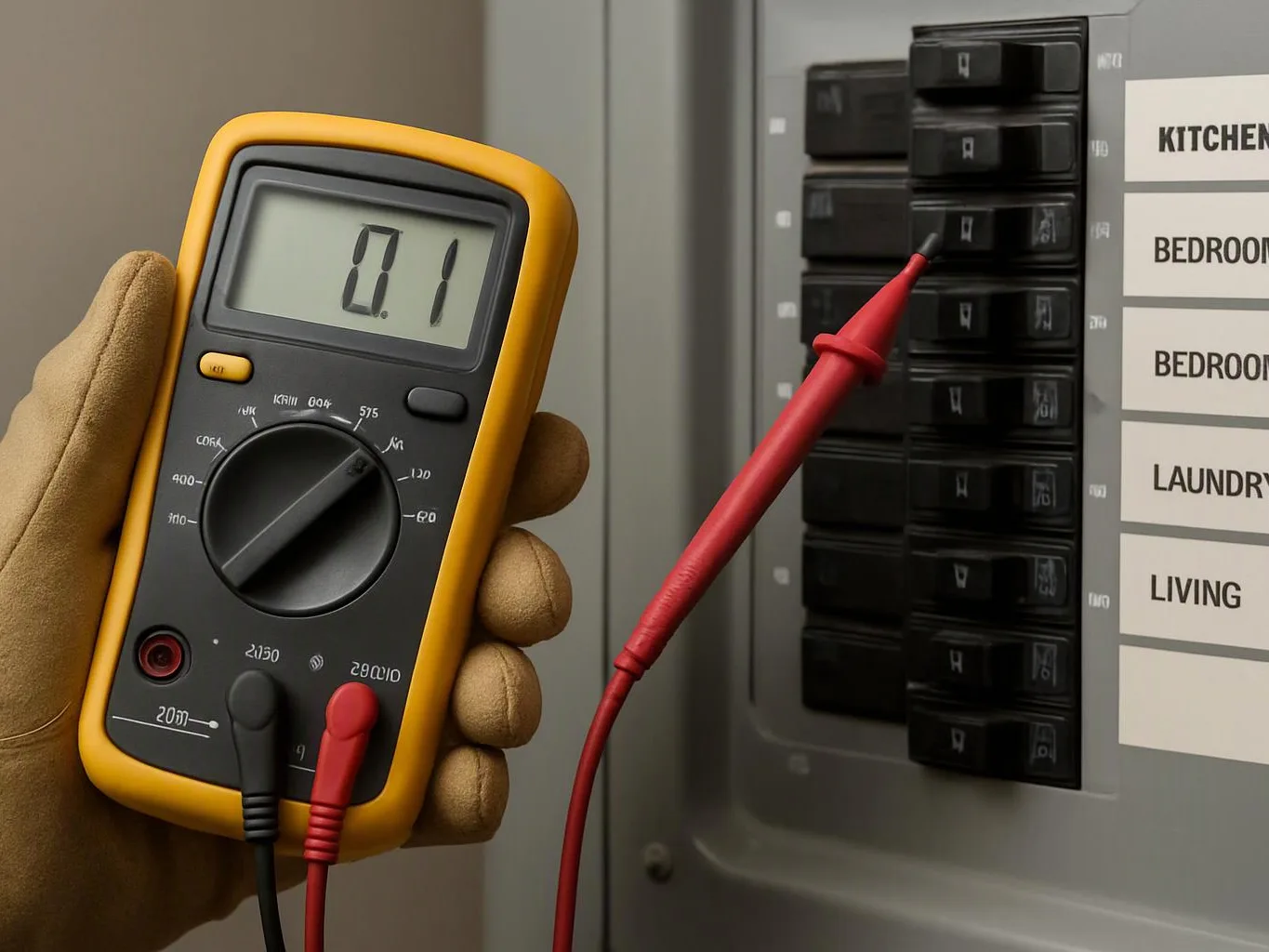
  • What is included: We assess charger wiring, panel capacity, transfer equipment, energy metering, battery storage connections, and communication cables.
  • What you get: The completed system gives the customer a planned electrical path for charging and power transfer.

What equipment is needed for bidirectional EV charging installation?

A bidirectional charger needs compatible wiring, protection, transfer equipment, energy metering, and communication controls. The panel and service must support the planned load. Santa Ana Electrician checks these items before the installation scope is set.
Bidirectional EV Charging System Installation for Compton Properties

Bidirectional EV Charging System Installation focuses on more than mounting a charger. The job includes checking the service panel, planning the circuit, and matching the transfer equipment to the intended use.

Customers need to decide whether the system will support home backup, controlled energy use, or another approved power-transfer purpose. That decision affects the equipment list and the wiring plan.

We also explain the limit of the work. A charger installation does not replace utility service, repair a damaged panel, or solve every outage problem. Those needs may require a separate electrical repair or panel upgrade.

  • Confirm the vehicle and charger support bidirectional power flow.
  • Check panel capacity and the proposed charging circuit.
  • Plan the transfer switch and energy meter locations.
  • Identify battery storage and communication cable needs.
  • Review testing, grounding, and circuit protection requirements.
A white ceiling fan hangs above a beige living room with a TV, pendant light, sofa, and window

Service Overview

Bidirectional EV Charging System Installation is electrical work that connects an EV charger to a property so power can move in both directions.

  • A standard EV charging installation sends power to the vehicle, while bidirectional equipment also supports controlled power transfer back to the property.
  • Santa Ana Electrician provides this service for homes and businesses in Compton.
Process

How We Complete Bidirectional Charging Installation

1

Review the vehicle and charger

We confirm that the vehicle and charger support the planned power direction and intended use.

2

Check the electrical service

We inspect the panel, grounding, circuit space, and available capacity before selecting the wiring path.

3

Plan transfer and control equipment

We place the transfer switch, energy meter, battery storage connection, and communication cable within the proposed scope.

4

Set the installation scope

We explain the required wiring, protection, equipment, and any related panel work before providing the estimate.

5

Install and test the system

We complete the electrical connections, test the system, and review the planned operating controls with the customer.

How We Approach Bidirectional Charging Work

Equipment fit before installation

Customers get an equipment review before wiring begins. We check the charger, panel, transfer switch, energy meter, battery storage, and communication cable needs. This service is the wrong job when the vehicle or charger cannot support bidirectional operation.

Electrical capacity review

Load planning helps us identify whether the existing service can support the proposed circuit. We explain when a panel upgrade, subpanel, or separate electrical repair belongs in the scope.

Clear estimate before work

We provide free estimates after reviewing the planned equipment and property needs. The estimate helps customers understand the wiring, controls, and related electrical work involved.

Licensed and insured electricians

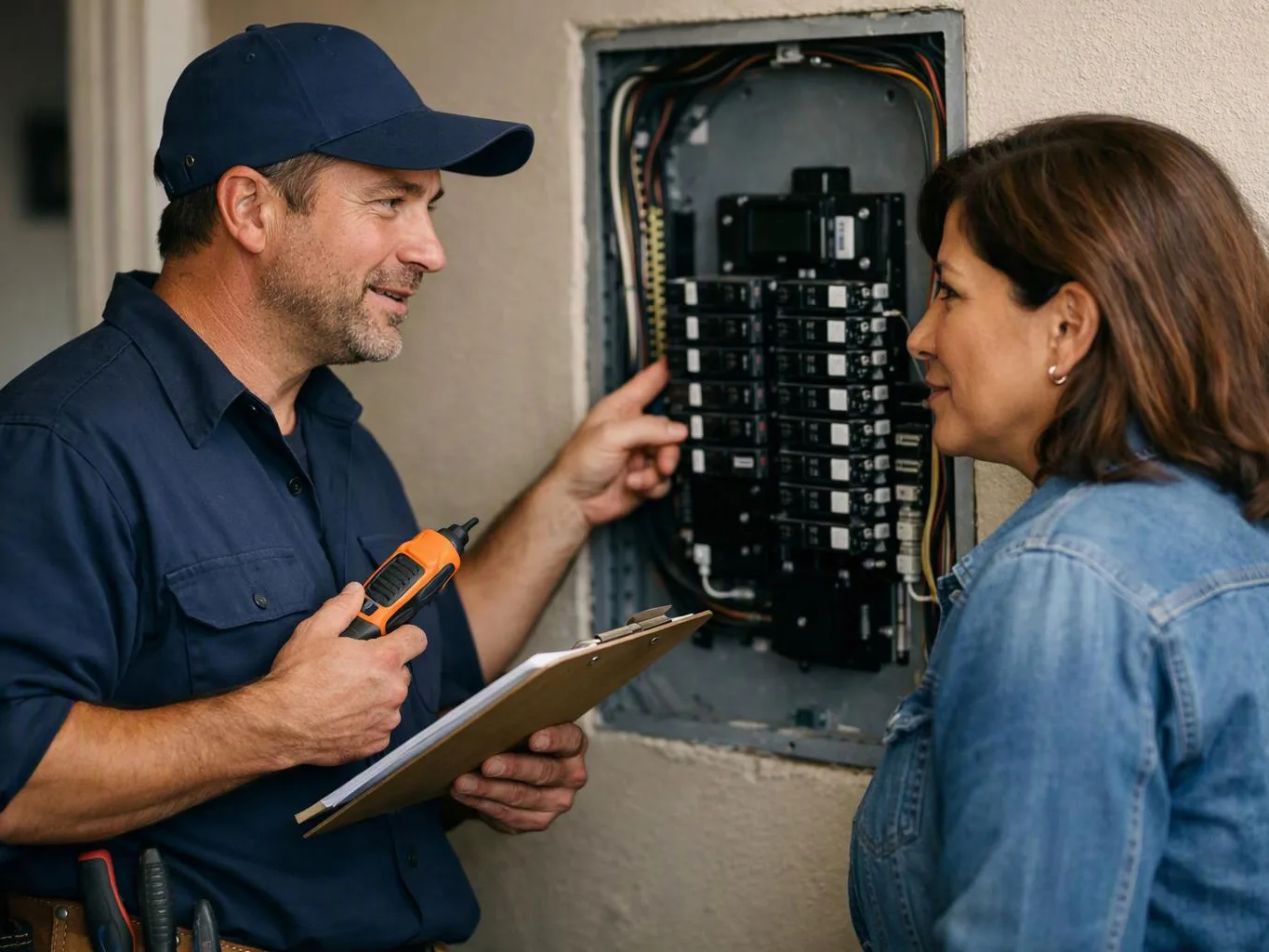
Our licensed and insured electricians handle the electrical installation, testing, and circuit checks for residential and commercial properties.

The scope this service is meant to handle

A typical property owner may want an EV to support selected loads during an outage. We first check the panel, charger compatibility, transfer equipment, and control wiring. The final scope follows the equipment requirements and the property's electrical capacity.

What Bidirectional Charging Changes for Your Property

The equipment plan matches the vehicle, panel, and intended power flow.

A clear circuit layout makes future service and troubleshooting easier.

Energy metering helps show how power moves through the planned system.

Transfer equipment supports a controlled connection between the vehicle and property.

Customers receive a defined scope before electrical work begins.

What This Bidirectional Charging Installation Includes

Santa Ana Electrician provides comprehensive Bidirectional EV Charging System Installation in Compton. Here's what you get:

  • We inspect the electrical panel and identify the circuit path for the charger.
  • We plan wiring for the bidirectional charger and related protective equipment.
  • We assess whether a transfer switch belongs in the proposed setup.
  • We account for an energy meter when the system requires power monitoring.
  • We plan communication cable routes for equipment that needs control signals.
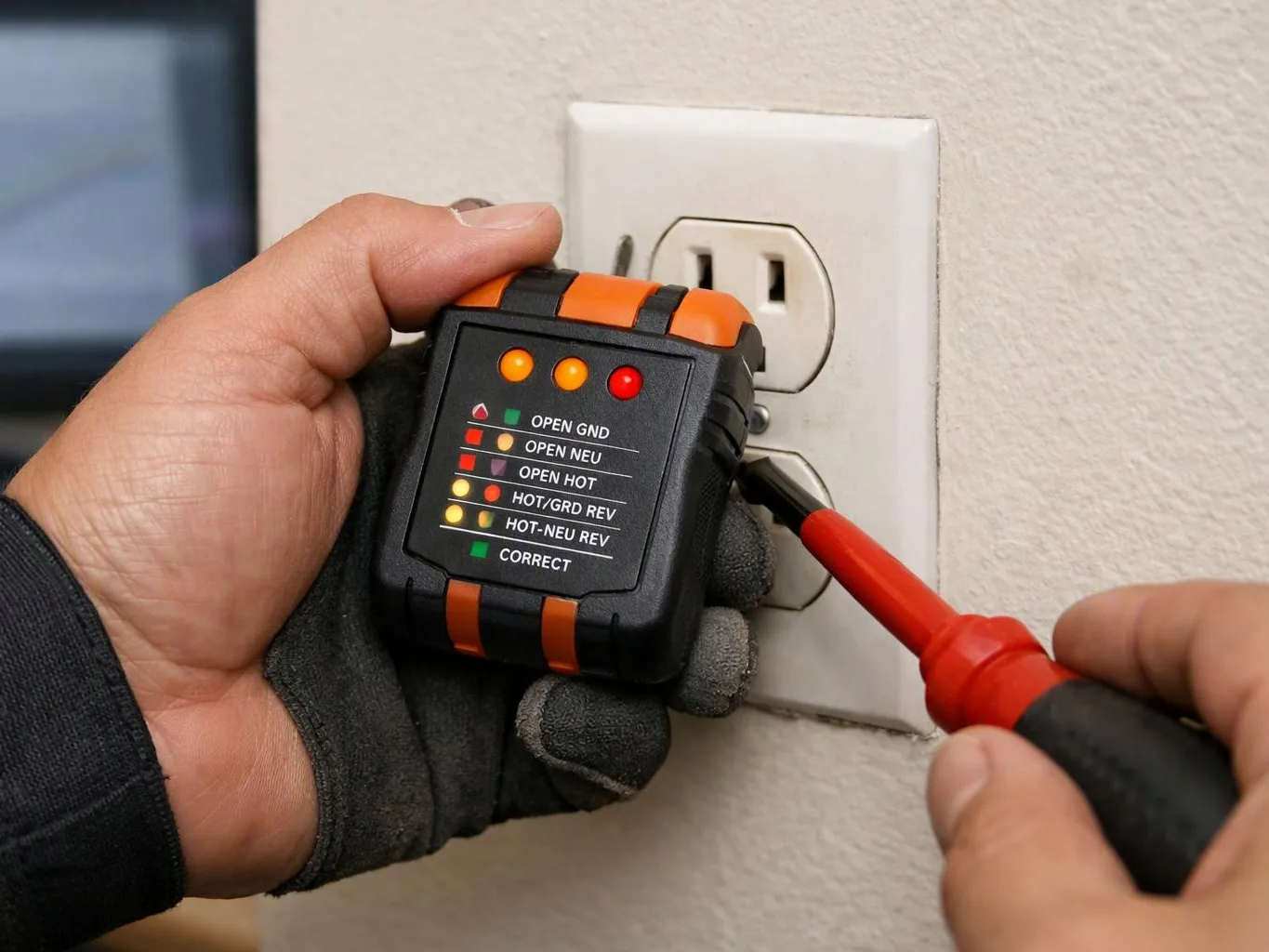
  • We test the completed connections and explain the operating setup.

Equipment Roles in Bidirectional Charging Systems

Each item supports a different part of the planned power-transfer system.

EquipmentPrimary roleWhen we review it
Bidirectional chargerControls charging and power transferAt the start, to confirm compatibility
Transfer switchControls the connection between power sources and loadsDuring power-flow planning
Energy meterMeasures power movementWhen monitoring or control is required
Communication cableCarries control signalsWhen connected equipment needs communication

The Santa Ana Electrician Standard

  • Initial Assessment
  • Systematic Troubleshooting
  • Safety-Minded Repairs
  • Clear Recommendations

Questions About Bidirectional Charging Installation

What does the crew look at first during this installation?

The electrical service comes first because the panel must support the planned charger circuit. We inspect panel capacity, grounding, circuit space, and the proposed cable route. Customers also need to identify the intended loads, since backup use and ordinary charging require different planning.

What happens at each stage of the installation?

The work starts with equipment checks and an electrical service review. We then plan the transfer switch, meter, storage connection, and communication cable before wiring begins. Testing follows the installation, and we explain the controls after the system connections are checked.

Which part changes the installation price most?

The equipment and wiring scope drive the price most. A longer circuit path, limited panel capacity, transfer equipment, battery storage, or added controls can change the work required. We review those parts during the assessment and provide a free estimate based on the property.

When should bidirectional charging work be scheduled?

The work should be scheduled after the vehicle, charger, panel, and intended power use are confirmed. A warning such as insufficient amperage or an incompatible charger calls for an electrical review first. We can also address related panel upgrades or repairs when they belong in the scope.

Why does the system need a communication cable?

A communication cable carries control signals between compatible charging and energy equipment. The cable helps coordinate power flow when the system includes a meter, transfer switch, or battery storage. We check the equipment instructions and plan the cable route before installation.
Contact

Request a Bidirectional Charging Installation Estimate in Compton

Are you planning bidirectional EV charging in Compton? Request your estimate, and urgent requests get priority scheduling.

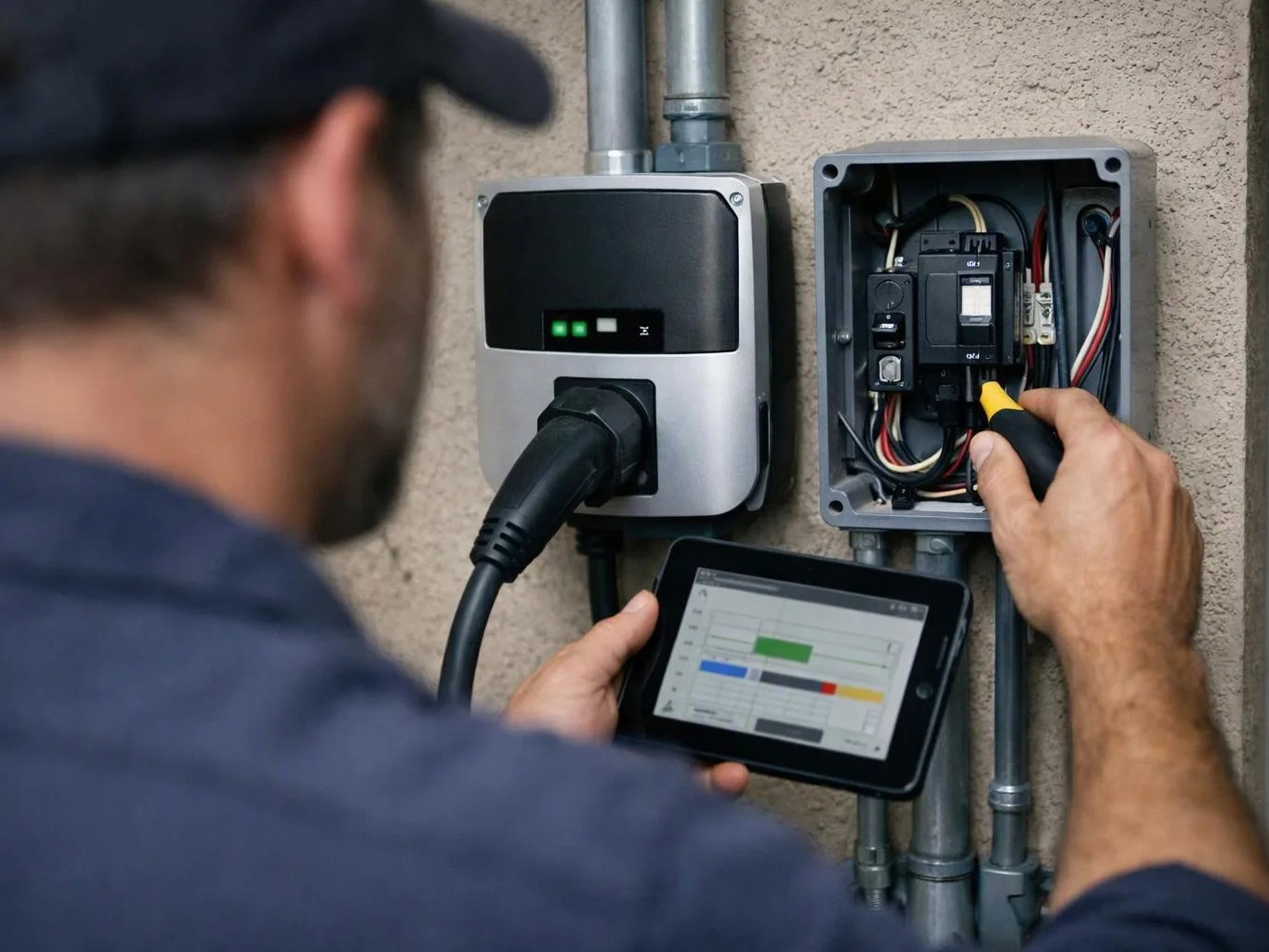
A technician inspects an open electrical box beside a wall-mounted charging unit while holding a tablet

ZIP Codes We Serve in Compton, California

9022090221902229022390224

Bidirectional EV Charging System Installation in Other Areas

(949) 850-2844