Skip to content

Bidirectional EV Charging System Installation in La Habra, California

A bidirectional charger needs the right equipment and wiring plan for your La Habra property. We check the charger, transfer switch, energy meter, and battery storage needs before work begins.

Licensed & InsuredFree EstimatesWarranty AvailableSame-Day Service

Quick Summary: Bidirectional EV Charging Systems in La Habra, California

Bidirectional EV Charging System Installation in La Habra is provided by Santa Ana Electrician for homes, businesses, landlords, and property managers. The work covers equipment checks, wiring, transfer controls, and electrical testing across Santa Ana and nearby Orange County communities.

  • What we do: Santa Ana Electrician installs and checks bidirectional EV charging systems for properties in La Habra, California.
  • What is included: We assess panels, load needs, transfer switches, energy meters, battery storage, and communication cables.
  • What you get: The customer receives a tested charging system with a defined equipment and wiring scope.

Why does my bidirectional charger need extra equipment in La Habra, California?

A bidirectional charger needs control equipment that manages power flow between the vehicle, building, and storage system. Santa Ana Electrician checks the panel, transfer switch, energy meter, battery storage, and communication cable before installation.
Bidirectional EV Charging System Installation for La Habra Properties

Bidirectional EV charging system installation connects an electric vehicle with a building's electrical system and related storage equipment. The job is for customers who need controlled two-way power flow, not basic vehicle charging alone.

Customers must decide whether the existing panel, wiring path, and control equipment fit the planned system. We inspect the available electrical capacity and identify where the transfer switch, energy meter, and communication cable belong.

The key decision is equipment fit. A battery storage setup, vehicle connection, and building load must work together. We explain what the installation includes and where a standard EV charging installation may be the better choice.

  • Confirm the vehicle and charger support two-way power flow.
  • Check panel capacity and plan the circuit path.
  • Identify the transfer switch and energy meter requirements.
  • Plan communication cable routes between connected equipment.
  • Test the system after installation and explain the controls.
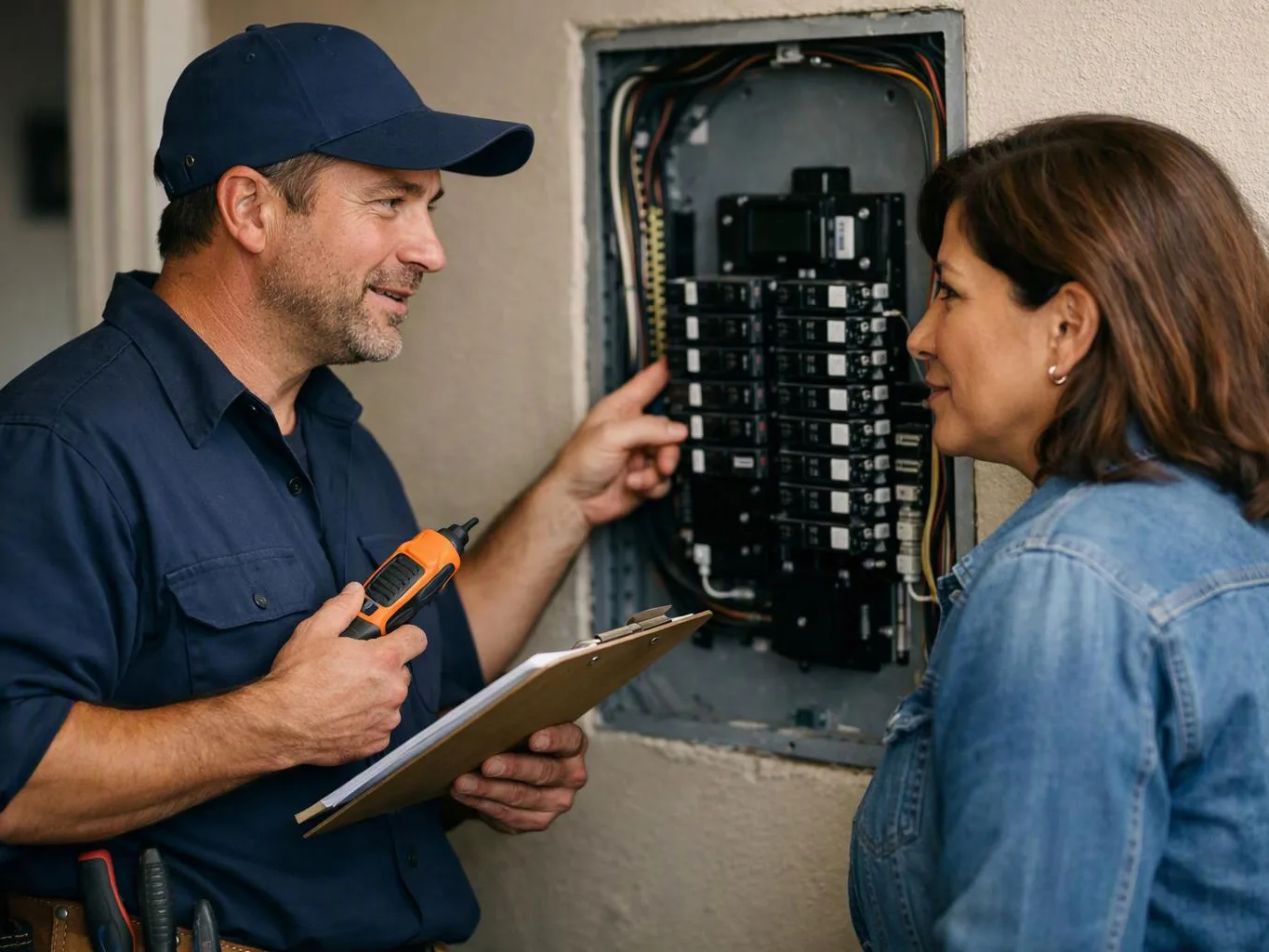
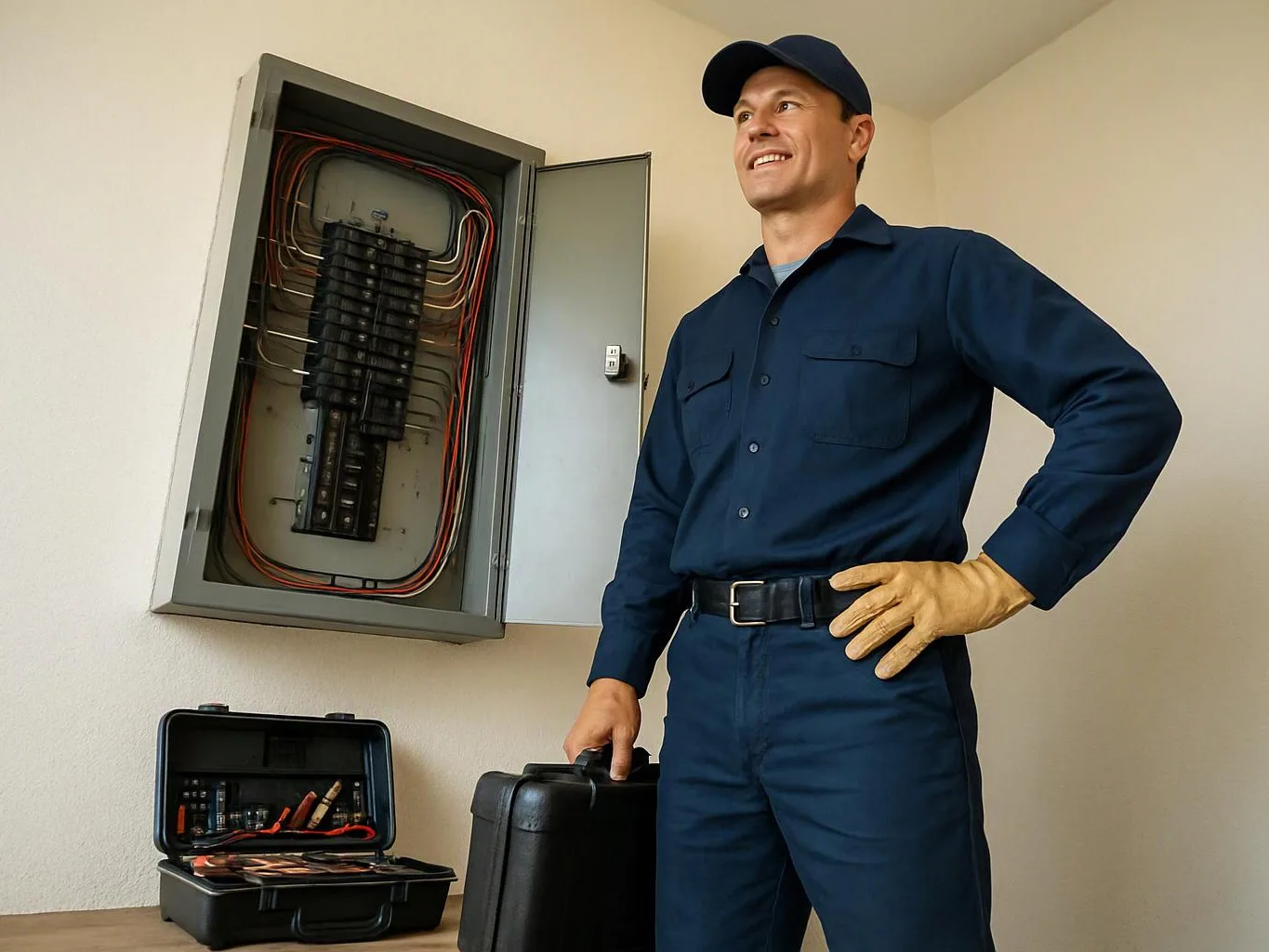
A smiling electrician in navy work clothes stands beside an open electrical panel and tool cases in a room

Service Overview

Bidirectional EV charging system installation is electrical work that lets an EV charge and send power back through approved control equipment.

  • A standard EV charger sends power to the vehicle, while a bidirectional system also manages power leaving the vehicle.
  • Santa Ana Electrician provides this service in La Habra for residential and commercial properties.
Process

How We Install Two-Way EV Charging Equipment

1

Review the vehicle and charger

We confirm that the planned vehicle and charger support bidirectional operation. This step sets the equipment scope before electrical work begins.

2

Check the panel and load

We inspect the panel, trace available circuits, and complete a load calculation. The findings guide the circuit and wiring plan.

3

Map controls and cable routes

We plan locations for the transfer switch, energy meter, battery storage, and communication cable. Access and equipment placement shape the installation details.

4

Connect and test the system

We install the approved electrical connections and test the system controls. Testing confirms that the installed equipment follows the planned power path.

5

Explain the completed setup

We review the equipment layout and explain the next steps. Customers receive a clear account of what was installed and checked.

How We Approach Two-Way Charging Equipment

Start with equipment fit

Customers need compatible vehicle, charger, panel, and control equipment. We check those pieces before setting the installation scope. A standard charging circuit is the wrong job when the customer needs power returned to a building.

Trace the power path

We map the route from the panel to the charger and connected controls. The review covers the transfer switch, energy meter, and communication cable so each part has a clear role.

Test before handoff

Our electricians test the installed connections and explain what the controls do. Licensed and insured service supports a careful handoff for homes, businesses, and managed properties.

What Two-Way EV Charging Changes for Your Property

The system supports controlled power movement between the vehicle and the building.

A planned energy meter helps track how power moves through the installation.

A transfer switch helps separate and control connected power sources.

Clear equipment planning reduces confusion about wiring, controls, and storage connections.

Testing gives you a defined point of reference for the installed system.

What Bidirectional EV Charging Installation Includes

Santa Ana Electrician provides comprehensive Bidirectional EV Charging System Installation in La Habra. Here's what you get:

  • We inspect the electrical panel and available capacity for the planned charging system.
  • We review the charger, transfer switch, and energy meter placement.
  • We plan wiring and communication cable routes between the connected equipment.
  • We connect supported battery storage equipment when the project scope calls for it.
  • We test power flow and verify the installed electrical connections.
  • We explain the equipment layout and next steps before the work is complete.

Standard Charging Compared With Two-Way Charging

The main difference is how each system moves power between the vehicle and the property.

Charging optionPower directionBest fit
Standard EV chargingPower moves to the vehicleVehicle charging only
Bidirectional EV chargingPower moves to and from the vehicleControlled vehicle and building power flow

The Santa Ana Electrician Standard

  • Initial Assessment
  • Systematic Troubleshooting
  • Safety-Minded Repairs
  • Clear Recommendations

Questions About Two-Way EV Charging Equipment

What equipment is needed for bidirectional EV charging installation?

A bidirectional charger, transfer switch, energy meter, battery storage, and communication cable may form the core equipment set. Santa Ana Electrician first checks compatibility and panel capacity.

  • The charger controls two-way power flow.
  • The transfer switch manages connected power sources.
  • The meter tracks power movement.
  • The communication cable links system controls.

The exact equipment depends on the vehicle, building, and planned electrical layout.

What should be checked before this charging work is scheduled?

The vehicle, charger, panel capacity, wiring path, and control equipment should be checked first. We also review the planned energy meter and transfer switch locations.

Customers should have the charger information available when requesting an estimate. That information helps us set a suitable electrical scope before installation.

Who is a good fit for two-way EV charging, and who needs a different service?

Property owners who need controlled power flow between an EV and building equipment are good candidates. Customers who only need vehicle charging may need a standard EV charging installation.

We review the vehicle, charger, panel, and intended use before recommending the work. A basic outlet repair or standard charging circuit calls for a different service scope.

What happens at each stage of the charging installation?

The work moves from equipment review to load checks, wiring planning, connection, testing, and customer handoff.

  1. We confirm charger and vehicle compatibility.
  2. We inspect the panel and calculate the electrical load.
  3. We plan the transfer switch, meter, storage, and cable routes.
  4. We connect and test the equipment.
  5. We explain the completed setup.

Each stage helps define the next electrical task.

Which part of this installation changes the project price?

The existing panel and the equipment needed for controlled power flow usually shape the project price. Wiring access and the distance between equipment also matter.

We review the panel, load calculation, transfer switch, energy meter, battery storage, and communication cable needs. A free estimate follows that assessment, and it reflects the actual project scope.

Why does a standard EV charger not meet every backup power goal?

A standard EV charger sends power to the vehicle but does not necessarily send power back to a building. Two-way operation needs compatible controls and electrical equipment.

We check the charger model, panel connections, transfer switch needs, and intended building loads. That review shows whether the requested work needs a bidirectional system or standard charging service.

When should a property manager request an equipment assessment?

A property manager should request an assessment before choosing equipment or planning the wiring route. Early review helps match the charger with the panel and building use.

We inspect access, circuit capacity, control locations, and communication cable paths. The assessment gives the manager a defined scope for the estimate and installation discussion.
Contact

Request a Free Estimate for Two-Way EV Charging

Get a defined equipment and wiring scope for bidirectional EV charging installation in La Habra. Urgent requests get priority scheduling.

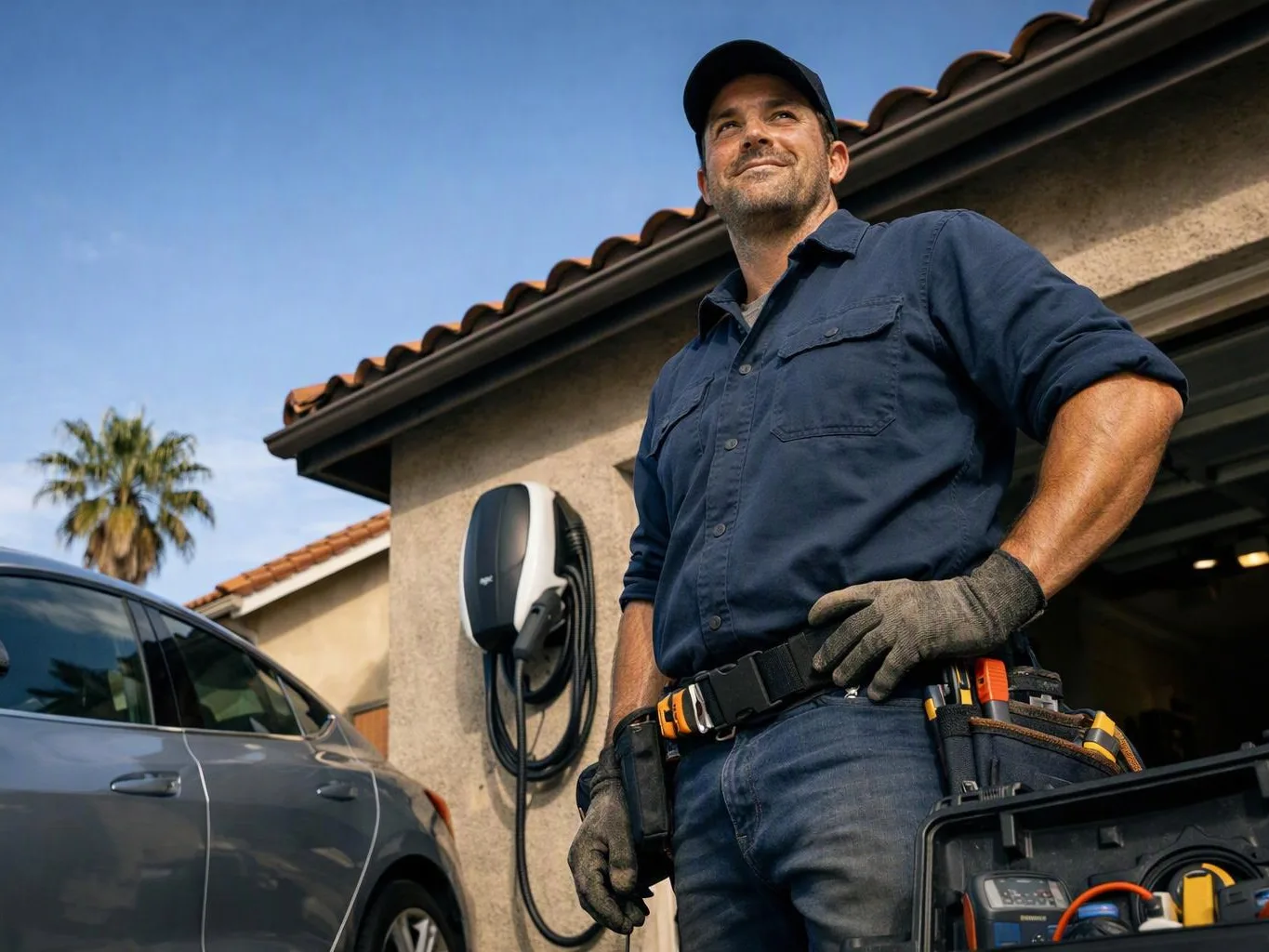
A gloved mechanic stands beside a car and wall charger outside a house under a clear sky

ZIP Codes We Serve in La Habra, California

906319063290633

Bidirectional EV Charging System Installation in Other Areas

(949) 850-2844