Skip to content

Bidirectional EV Charging Installation in Laguna Niguel

Firmware errors receive a focused check during work in Laguna Niguel. We review communication faults, charging interruptions, and system behavior before explaining the next step.

Licensed & InsuredFree EstimatesWarranty AvailableSame-Day Service

Quick Summary: Bidirectional EV Charging System Installation in Laguna Niguel, California

Bidirectional EV Charging System Installation in Laguna Niguel is provided by Santa Ana Electrician for homes and businesses. The work covers charger wiring, load checks, grounding review, and testing, while our 24 Hour Electrician service supports urgent electrical problems day and night.

  • What we do: Santa Ana Electrician provides Bidirectional EV Charging System Installation for homes and businesses in Laguna Niguel, California.
  • What is included: Charger wiring, load calculation, grounding checks, communication fault testing, and charging system verification.
  • What you get: The customer receives a bidirectional charging system with its electrical connections checked and its operating faults identified.

Why do bidirectional EV charging systems show firmware errors in Laguna Niguel, California?

Firmware errors can interrupt charging or stop power from moving between the EV, charger, and building. We check communication paths, electrical supply, grounding, and system settings to identify the fault. Santa Ana Electrician then explains whether the installation needs corrective electrical work or a separate equipment update.
Bidirectional EV Charging System Installation in Laguna Niguel, California

Bidirectional charging lets a compatible EV exchange power with a building through approved charging equipment and correctly sized electrical circuits. The job suits property owners who want vehicle-to-home or other two-way charging functions, but the electrical system still needs a careful load review.

The key decision is whether the problem sits in the electrical installation, the charger, the vehicle, or the communication link between them. We inspect the circuit, panel capacity, grounding path, and control signals before recommending a repair or installation step.

This page focuses on fault-aware installation work. It covers firmware errors, communication faults, overload conditions, grounding faults, and charging interruptions instead of treating every charging problem as a simple outlet issue.

  • Confirm the charging equipment supports bidirectional operation.
  • Check the supply circuit and available panel capacity.
  • Trace communication faults between the vehicle and charger.
  • Test grounding and protective electrical connections.
  • Identify whether charging interruptions come from wiring or equipment.
  • Explain the next electrical repair or installation step.
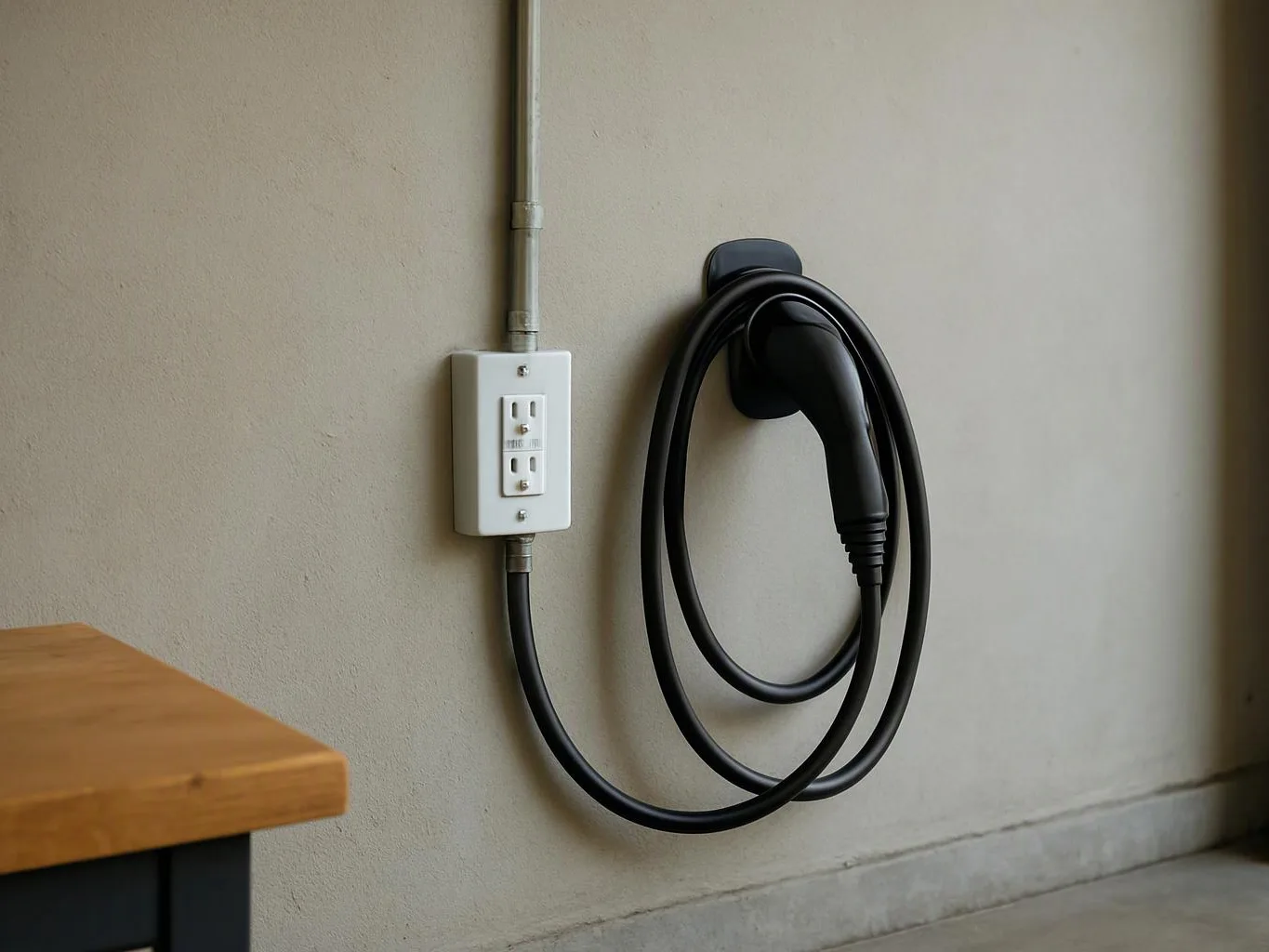
A black charging cable hangs coiled beside a wall outlet in a plain indoor space

Service Overview

Bidirectional EV Charging System Installation is an electrical service that connects an EV charger so power can move between the vehicle and a building.

  • Unlike a standard EV charging installation, bidirectional work requires checks for two-way power flow, communication faults, grounding, and overload conditions.
  • We provide this service for homes, landlords, businesses, and property managers in Laguna Niguel.

What this charging work changes for you

A load calculation helps show whether the existing panel fits the planned charging demand.

Grounding and circuit checks help identify faults that could interrupt two-way power flow.

Communication testing separates wiring problems from charger or vehicle control faults.

Clear fault findings help you choose between electrical repair, equipment service, or a broader upgrade.

The same review supports residential and commercial planning without treating every property as identical.

What bidirectional charging installation includes

Santa Ana Electrician provides comprehensive Bidirectional EV Charging System Installation in Laguna Niguel. Here's what you get:

  • We review the planned charger location and the electrical circuit serving it.
  • We complete a load calculation to check whether the panel can support the added demand.
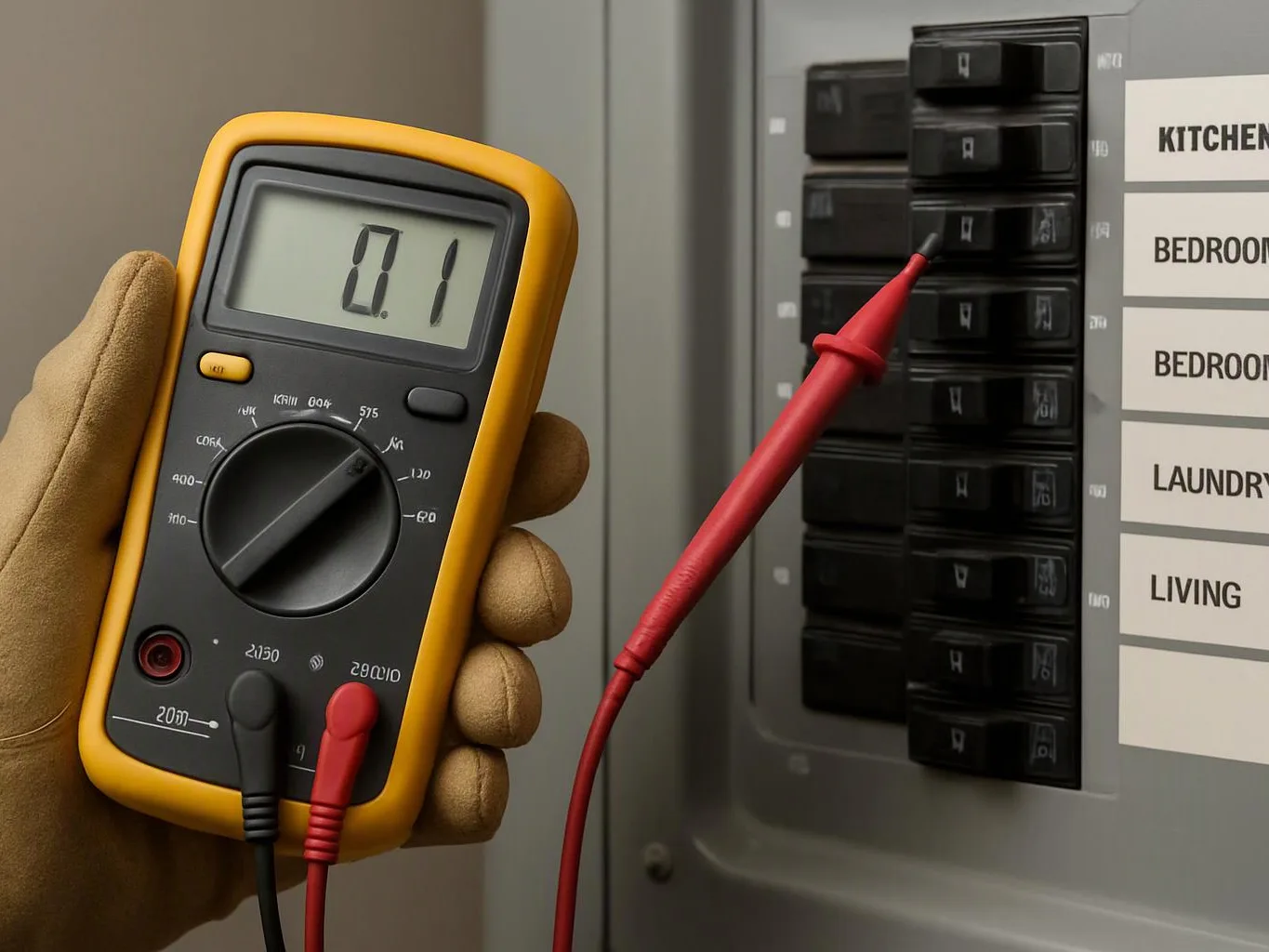
  • We inspect grounding, circuit protection, and wiring connections for safe operation.
  • We test communication between the vehicle, charger, and building electrical system.
  • We trace charging interruptions and overload conditions during system checks.
  • We explain recommended electrical work and provide an estimate for the requested scope.

How we approach bidirectional charging decisions

Start with the electrical path

The first decision is whether power reaches the charger through a suitable circuit. We check the panel, wiring, circuit protection, and grounding before discussing changes. This service is not the right job when the issue comes from vehicle software alone and no electrical installation work is needed.

Separate faults before repairs

Communication faults and charging interruptions can look alike at the vehicle. Our testing follows the connection from the charger to the building supply, so the repair scope matches the fault we find.

Plan for actual demand

Two-way charging adds a different load pattern than a basic charging outlet. We use a load calculation and review overload risk before recommending circuit or panel work.

Process

How we complete bidirectional charging installation

1

Review the charger and vehicle

We record the equipment details, charging symptoms, fault messages, and planned use so the electrical review matches the actual system.

2

Inspect the supply circuit

We check the panel, circuit protection, wiring route, grounding, and available capacity before setting the installation scope.

3

Test communication and power flow

We trace communication faults and test the connection between the vehicle, charger, and building electrical system.

4

Check overload and interruption faults

We compare charging behavior with the electrical load and look for conditions that stop or limit power transfer.

5

Explain repairs and estimate scope

We outline the findings, separate electrical work from equipment concerns, and provide an estimate for the requested work.

Electrical fault types in bidirectional charging

These fault types need different checks, so the first finding shapes the next electrical step.

Fault typeWhat we checkPossible work direction
Firmware errorsFault messages, control signals, and charger behaviorSeparate equipment concerns from electrical installation issues
Communication faultsConnections between the EV, charger, and building systemTrace wiring and test communication paths
Overload conditionsPanel capacity, connected loads, and charging demandReview circuit protection or panel upgrade needs
Grounding faultsGrounding path and protective connectionsCorrect the electrical grounding issue before continued use

The Santa Ana Electrician Standard

  • Initial Assessment
  • Systematic Troubleshooting
  • Safety-Minded Repairs
  • Clear Recommendations

Questions about bidirectional charging system faults

What problems can occur with bidirectional EV charging systems?

Firmware errors, communication faults, overload conditions, grounding faults, and charging interruptions can affect bidirectional EV charging systems. We check the charger circuit, panel capacity, grounding path, and control connection to find the source. Santa Ana Electrician then explains whether the next step involves electrical repair, installation work, or equipment service.

What does the crew look at first during bidirectional charging installation?

The electrical supply and planned charger circuit receive the first review. We check the panel, circuit protection, wiring path, grounding, and available capacity before testing communication. That order helps us identify unsafe electrical conditions before examining system behavior.

Who is a good fit for bidirectional EV charging installation?

Homeowners, landlords, businesses, and property managers with compatible two-way charging equipment are good fits. We review the electrical system before work starts. A customer needs a different service when the issue exists only in vehicle software or equipment firmware and no electrical installation work is required.

What happens at each stage of bidirectional charging installation?

The work moves from equipment review to electrical inspection, fault testing, and estimate guidance. We check the supply circuit and load, inspect grounding, trace communication, test charging behavior, and explain the findings. Each step helps separate electrical work from an equipment-only concern.

Which part of the job changes the estimate most?

The electrical scope changes the estimate most when the panel, circuit route, grounding, or protection needs work. A short wiring route and suitable capacity require different work from a panel upgrade or grounding correction. We provide a free estimate after reviewing the actual installation conditions.

When should charging interruptions receive an electrical inspection?

Repeated charging interruptions deserve an electrical inspection when resets do not solve the problem. We check circuit loading, grounding, connections, and communication during the event. In Laguna Niguel, property owners can request an assessment for residential or commercial charging equipment.
Contact

Request an estimate for bidirectional charging installation in Laguna Niguel

Tell us about the charger, vehicle, and electrical concern, and urgent requests get priority scheduling.

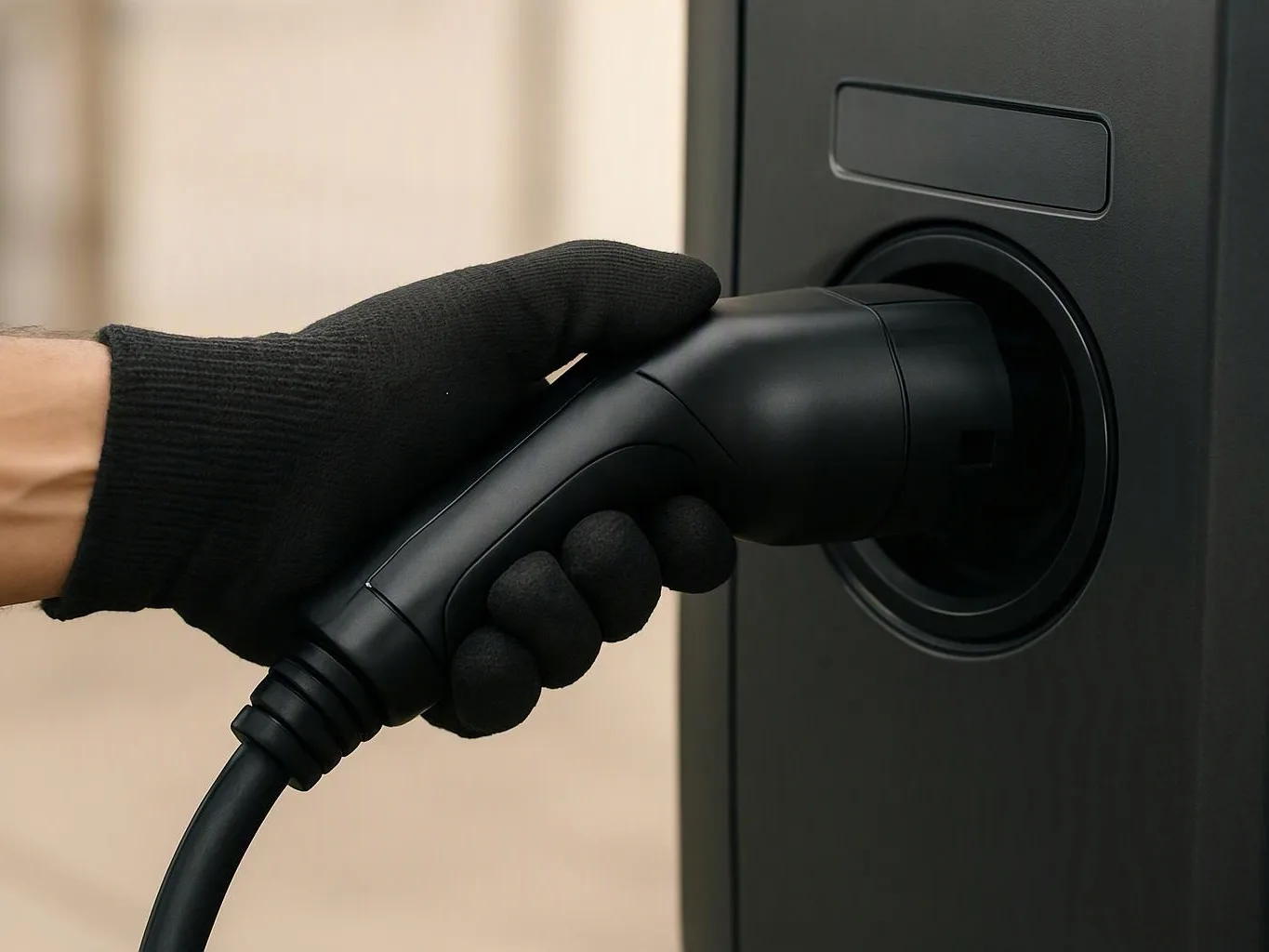
A gloved hand plugs a black charging connector into a charging port on a dark panel

ZIP Codes We Serve in Laguna Niguel, California

9260792677

Bidirectional EV Charging System Installation in Other Areas

(949) 850-2844