Skip to content

Bidirectional EV Charging System Installation in Anaheim, California

Utility connection work links bidirectional charging to your Anaheim building and its electrical panel. We plan the load controller, grounding system, and backup circuit around the property's needs.

Licensed & InsuredFree EstimatesWarranty AvailableSame-Day Service

Quick Summary: Bidirectional EV Charging System Installation in Anaheim, California

Bidirectional EV Charging System Installation in Anaheim is provided by Santa Ana Electrician for homes, businesses, landlords, and property managers. The work connects charging equipment with the building's panel, load controller, grounding system, and backup circuit across Anaheim and nearby Orange County communities.

  • What we do: Santa Ana Electrician provides Bidirectional EV Charging System Installation for Anaheim, California properties.
  • What is included: Panel review, load control planning, grounding checks, backup circuit installation, testing, and electrical code review.
  • What you get: The building receives a planned bidirectional charging connection with the needed circuits, controls, grounding, and verification.

Why does bidirectional EV charging need a building connection?

Bidirectional charging needs a building connection so power can move safely between the EV, charger, panel, and selected backup circuits. The connection must match the property's electrical capacity and control setup. A panel review and load calculation help define the safe installation path.
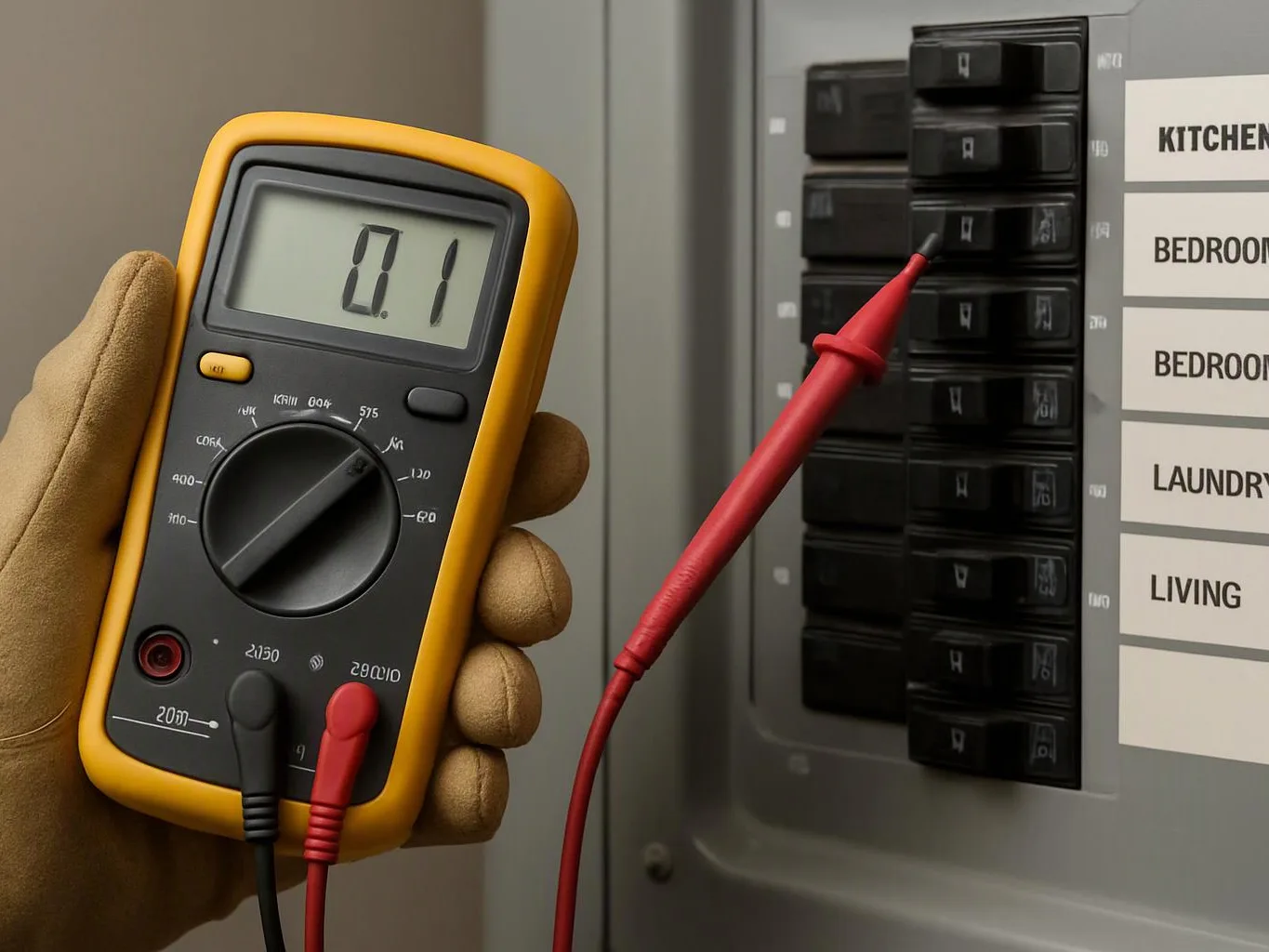
Working With Our Team in Anaheim

Bidirectional charging connects an EV, charger, electrical panel, and selected building circuits. The buyer's main decision is whether the existing electrical system can support that connection and what controls the property needs.

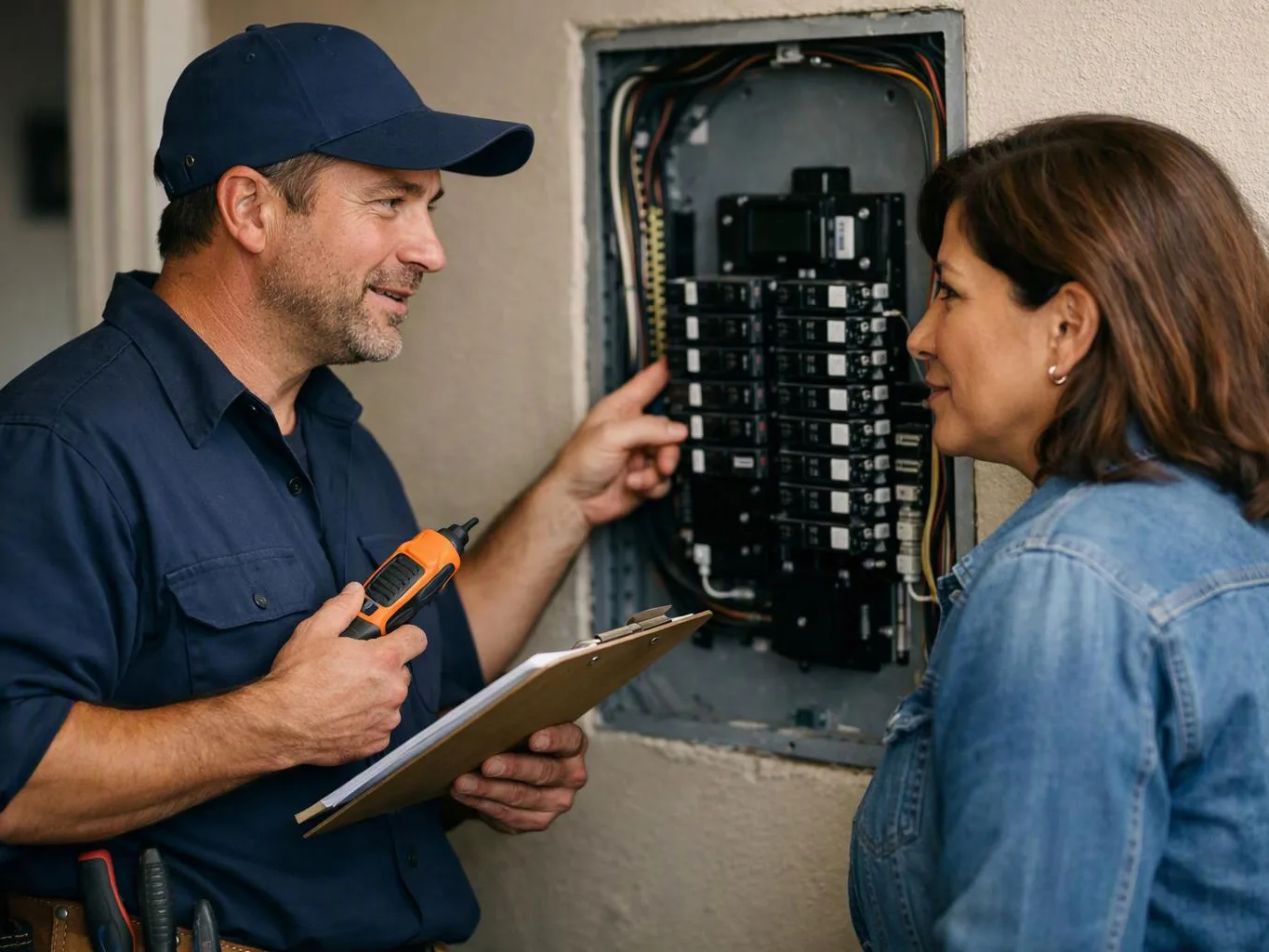
We start with circuit tracing and a load calculation. The review covers panel capacity, the proposed load controller, grounding, and the backup circuit. This page focuses on the building connection, not a simple outlet installation or a general panel repair.

The work suits homeowners, landlords, businesses, and property managers planning controlled vehicle-to-building power. We explain whether the project needs a panel upgrade, subpanel installation, new wiring, or other electrical work before setting the installation scope.

  • Review the electrical panel and available capacity.
  • Plan the load controller and backup circuit.
  • Check grounding and circuit paths.
  • Map the connection between the EV charger and building.
  • Test the completed wiring and controls.
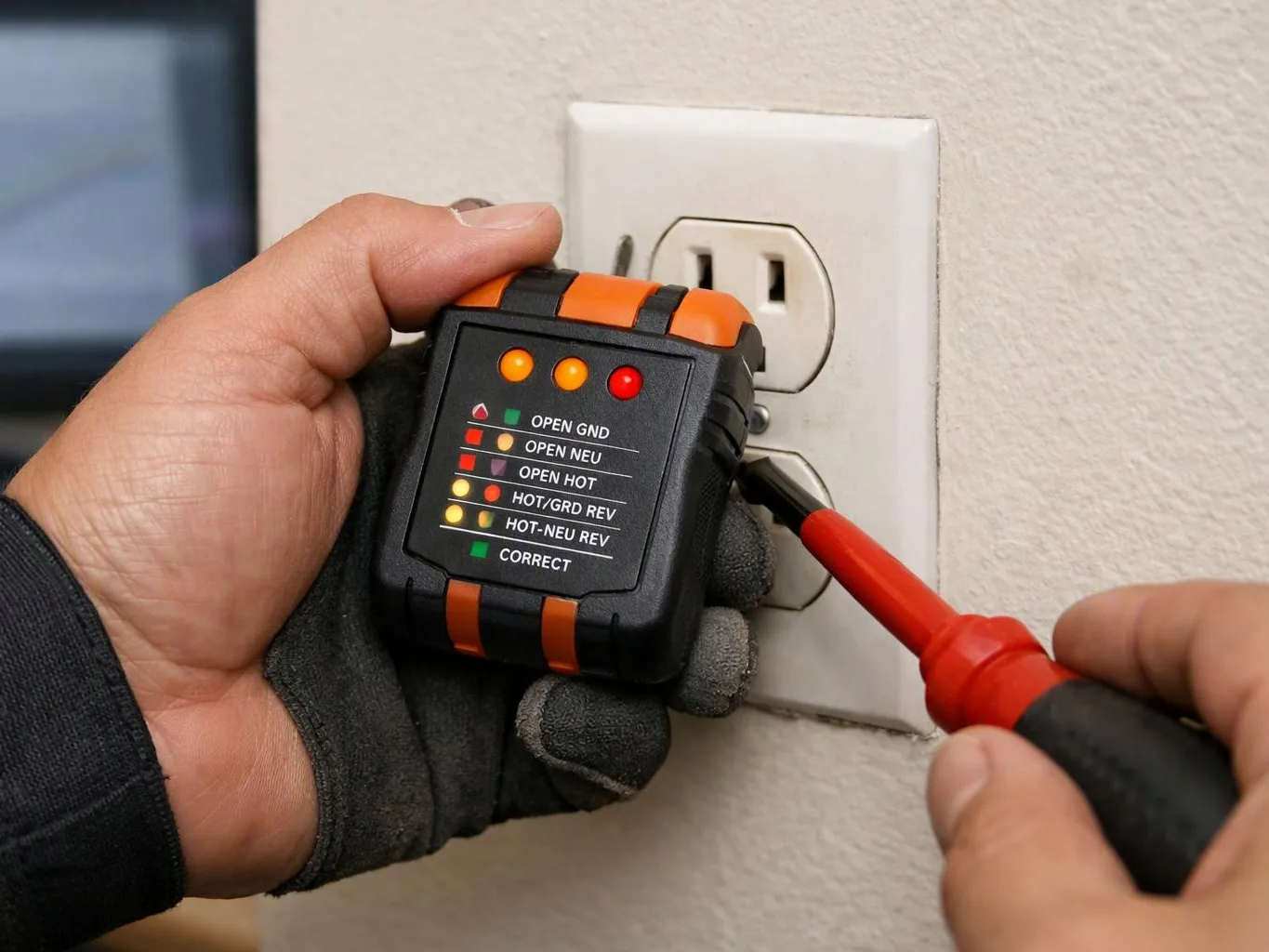
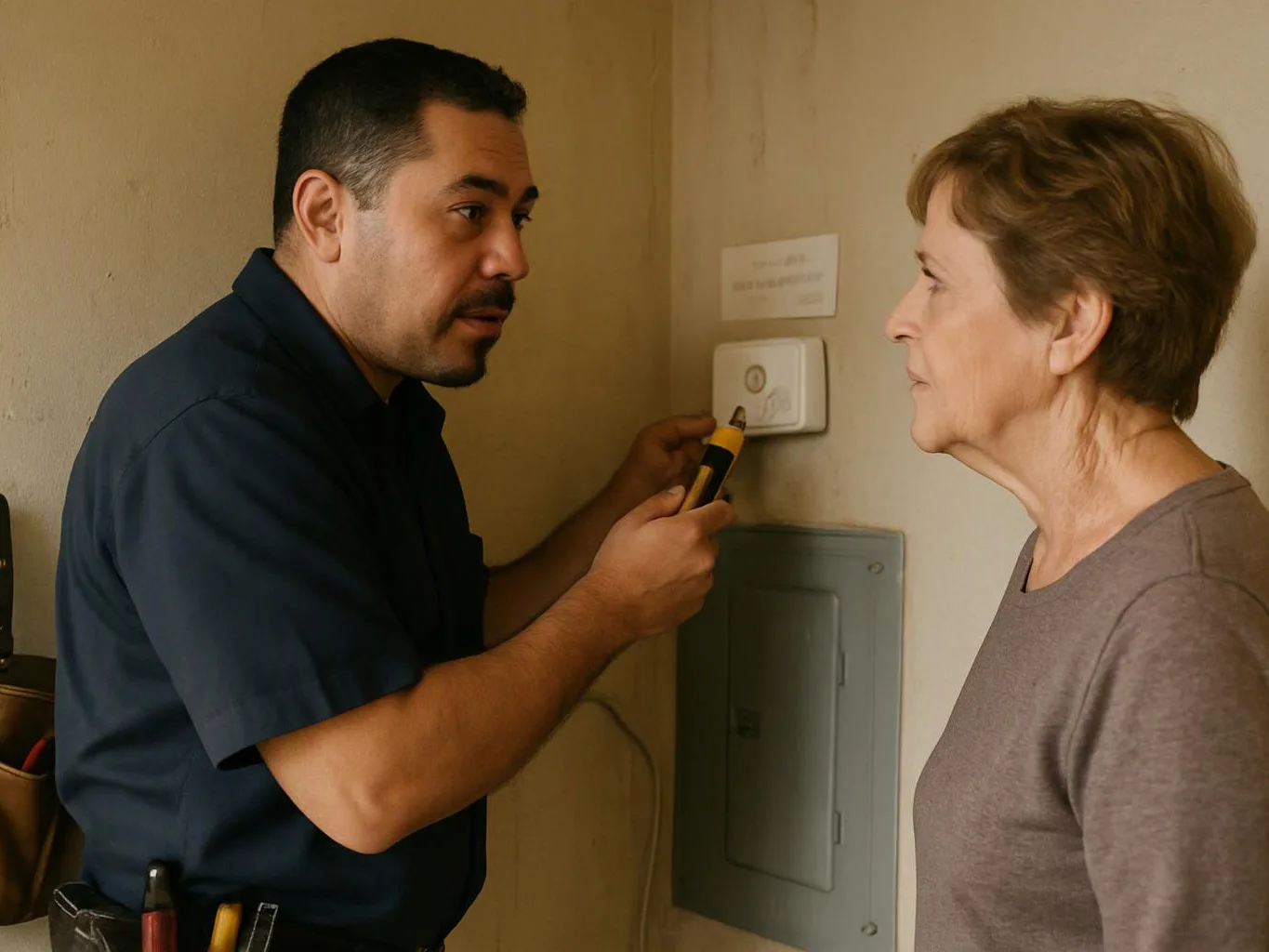
A technician holds a tester near a wall device while speaking with an older woman inside a hallway

Service Overview

Bidirectional EV Charging System Installation is an electrical service that connects an EV charger to a building so power can move in both directions.

  • A standard EV charging installation sends power to the vehicle, while bidirectional work also plans controlled power flow back to selected building circuits.
  • We provide this service for homes and businesses in Anaheim, with coverage across nearby Orange County communities.

What Bidirectional Charging Changes for Your Building

The electrical plan accounts for power moving to the EV and back to selected circuits.

A load controller helps manage charging demand at the building connection.

A planned backup circuit gives the property a defined path for supported backup loads.

Grounding checks address a key safety part of the charging connection.

The owner receives a clear scope before deciding on related panel or wiring work.

What Bidirectional EV Charging Installation Includes

Santa Ana Electrician provides comprehensive Bidirectional EV Charging System Installation in Anaheim. Here's what you get:

  • We review the electrical panel and trace the circuits that may support the charging system.
  • We complete a load calculation to guide the connection and identify capacity concerns.
  • We plan the load controller so charging and building demand work together safely.
  • We install or modify wiring for the charger and selected backup circuit.
  • We check grounding and related electrical connections before testing the system.
  • We test the installation and explain the completed connection to the property owner or manager.
Process

How We Install the Building Connection

1

Inspect the electrical panel

We review the panel, trace related circuits, and check the available electrical capacity.

2

Complete the load calculation

We compare existing demand with the charger and planned backup circuit so the scope fits the property.

3

Plan the controlled power path

We set the connection for the charger, load controller, grounding system, and selected backup circuit.

4

Install wiring and devices

We complete the approved electrical work, which may include circuit wiring, a subpanel, or a panel upgrade when the scope calls for it.

5

Test the finished connection

We test wiring, controls, grounding, and circuit operation before explaining the completed work.

What You Get From This Charging Installation

A building connection plan

We map the panel, charger, controls, grounding, and backup circuit before work starts. A basic outlet installation is the wrong job when the EV must send controlled power back to the building.

Load-based electrical decisions

The load calculation shows whether the existing panel can support the planned connection. If capacity is limited, we explain whether a panel upgrade or subpanel installation belongs in the scope.

Safety checks before testing

Our licensed and insured electricians check circuit paths, grounding, connections, and control wiring before testing the completed work.

Charging Connection Choices for the Building

The table separates common electrical scopes that buyers may need to discuss before work begins.

Connection scopeWhat it coversWhen it fits
Bidirectional charging connectionEV charger, panel, load controller, grounding, and selected backup circuitsWhen the EV must exchange controlled power with the building
Standard EV charging circuitElectrical circuit that sends power to the vehicleWhen the vehicle charges but does not send power back to the building
Panel or subpanel workCapacity, circuit space, wiring, or distribution changesWhen the existing electrical system cannot support the planned charging connection

The Santa Ana Electrician Standard

  • Initial Assessment
  • Systematic Troubleshooting
  • Safety-Minded Repairs
  • Clear Recommendations

Questions About Bidirectional EV Charging Installation

How does bidirectional charging connect to a building?

Utility connection work links the bidirectional charger to the electrical panel and selected building circuits. Santa Ana Electrician reviews the load controller, grounding system, and backup circuit before setting the connection. The installation then receives testing and verification. The final circuit plan depends on the property's existing wiring and electrical capacity.

Which property condition changes the installation time?

Panel capacity and the wiring path are the main property conditions that change the work required. Older or crowded panels may need circuit tracing, a subpanel, or an upgrade before the charger connects. We inspect the panel and calculate the load first, then explain the work that fits the property.

How is the charging system matched to the property?

A load calculation matches the charging system to the building's existing electrical demand. We review the panel, circuits, grounding, backup loads, and control needs. The result guides the wiring plan and shows whether related electrical work belongs in the quote.

What should be ready before installation starts?

The property owner should identify the EV equipment, desired backup circuits, and electrical access points. We then inspect the panel and trace the related wiring. Access to the panel and proposed charger location helps us define the connection, testing plan, and work scope.

When does this project need a panel upgrade?

A panel upgrade belongs in the project when the existing system lacks the capacity or suitable circuits for the planned connection. We confirm that need through a load calculation and panel review. The quote separates the charging work from any required service entrance, panel, or subpanel changes.

Why does the backup circuit need separate planning?

A backup circuit needs separate planning because only selected loads should receive controlled power from the EV system. We identify those circuits, review their demand, and connect them through the planned control setup. This keeps the backup purpose defined and prevents an unclear whole-building connection.
Contact

Get a Free Estimate for Bidirectional EV Charging Installation in Anaheim

Request a property assessment for the charging connection, and urgent requests get priority scheduling.

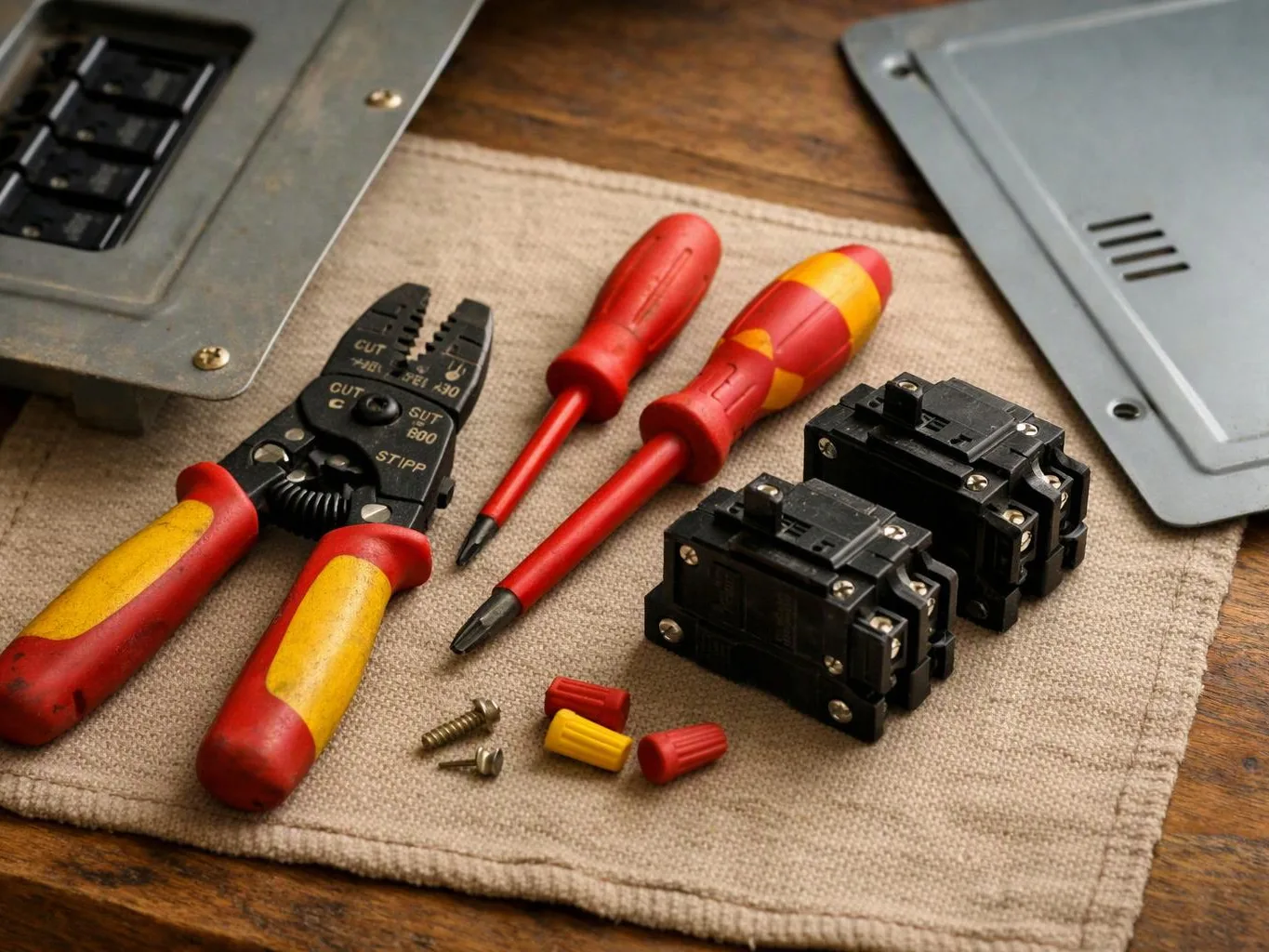
Electrical tools and circuit breakers lie on a cloth mat beside a metal panel, with screws and wire caps nearby

ZIP Codes We Serve in Anaheim, California

9280192802928039280492805928069280792808928099281292814928159281692817928259285092899

Bidirectional EV Charging System Installation in Other Areas

(949) 850-2844