Skip to content

Bidirectional EV Charging System Installation in South Gate

What capacity should a bidirectional charger support for your property in South Gate? We assess the electrical load, panel, and planned energy use before recommending the installation scope.

Licensed & InsuredFree EstimatesWarranty AvailableSame-Day Service

Quick Summary: Bidirectional EV Charging System Installation in South Gate, California

Bidirectional EV Charging System Installation in South Gate is provided by Santa Ana Electrician for homes, businesses, landlords, and property managers. The service covers electrical checks, charging equipment connections, transfer switch planning, and related wiring, with phone service available day and night.

  • What we do: Santa Ana Electrician installs bidirectional EV charging systems for South Gate, California properties after checking the panel, load, wiring, and energy equipment.
  • What is included: We assess electrical capacity, plan transfer switch connections, install charging circuits, connect communication cable, and test the completed system.
  • What you get: The property receives a bidirectional charging setup with the equipment connections and electrical checks needed for safe operation.

What equipment is needed for bidirectional EV charging installation in South Gate, California?

A bidirectional charger, suitable circuit, transfer switch when required, energy meter, communication cable, and compatible battery storage may be needed. The panel and available electrical capacity decide which parts fit the property.
Working With Our Team in South Gate

Bidirectional EV charging installation is for owners who want an EV charger to support more than one-way vehicle charging. The job may include a charger, dedicated circuit, transfer switch, energy meter, battery storage connection, and communication cable.

The main decision is equipment fit. We check the service panel, perform a load calculation, trace the planned circuit, and review how the system will operate with the property’s existing electrical equipment. A standard EV charger may be the better choice when two-way power flow is not part of the customer’s goal.

Our team serves residential and commercial properties in South Gate and nearby Orange County communities. We explain the work before installation and provide a quote based on the actual electrical scope.

  • Check the main panel and available electrical capacity.
  • Confirm the planned bidirectional charger and circuit requirements.
  • Review transfer switch, energy meter, battery storage, and communication cable needs.
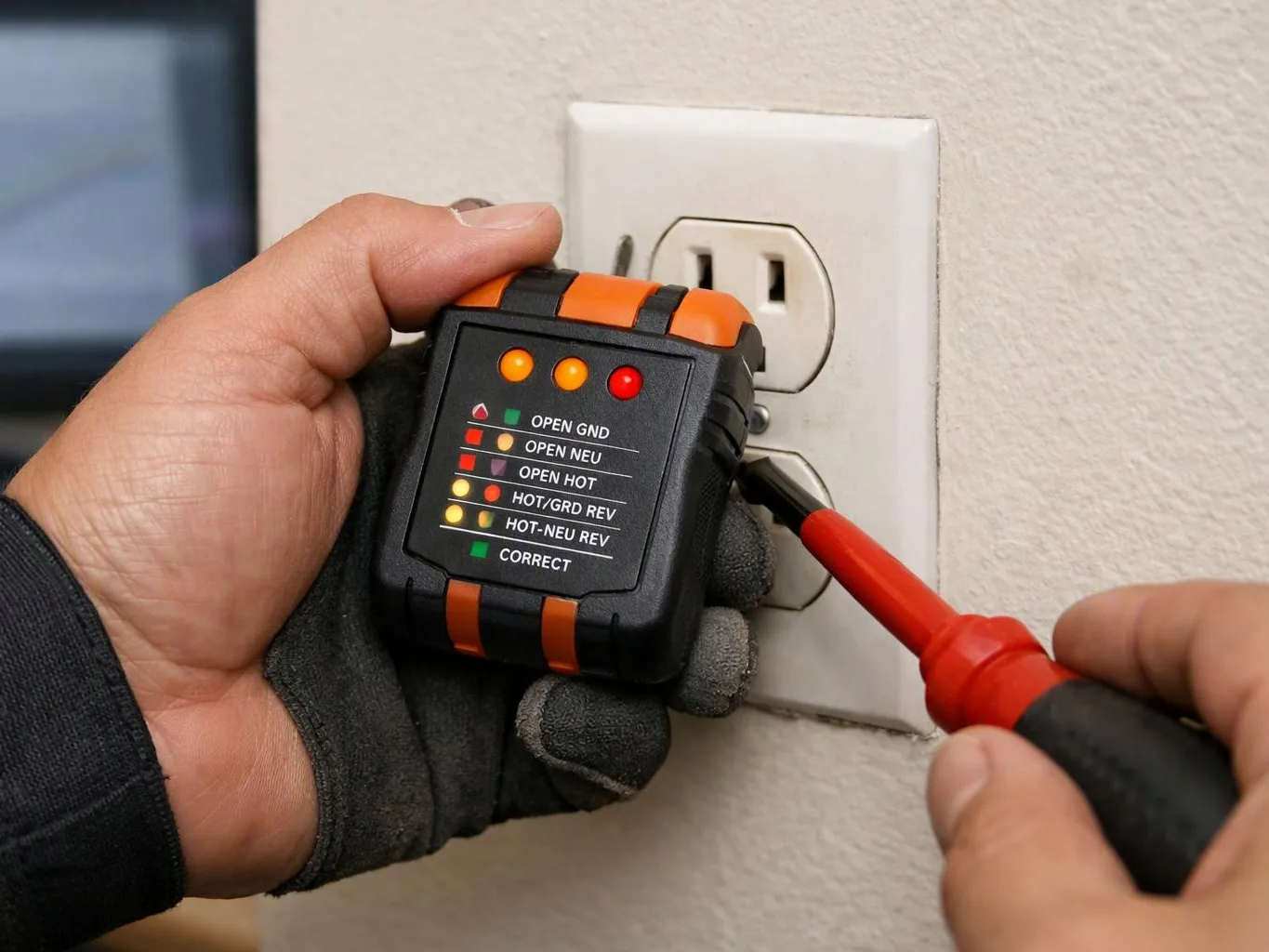
  • Test wiring and verify the completed electrical connections.
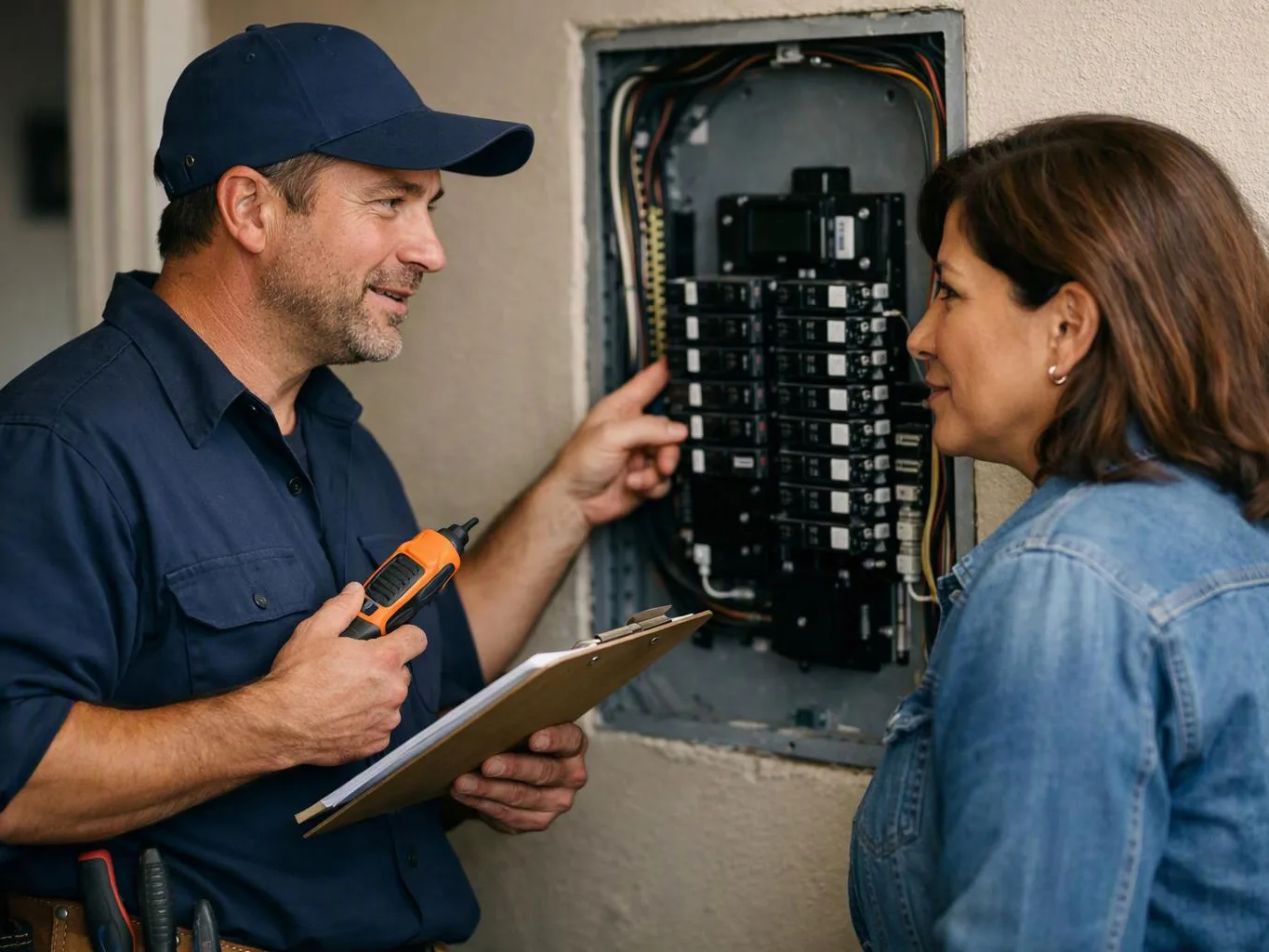
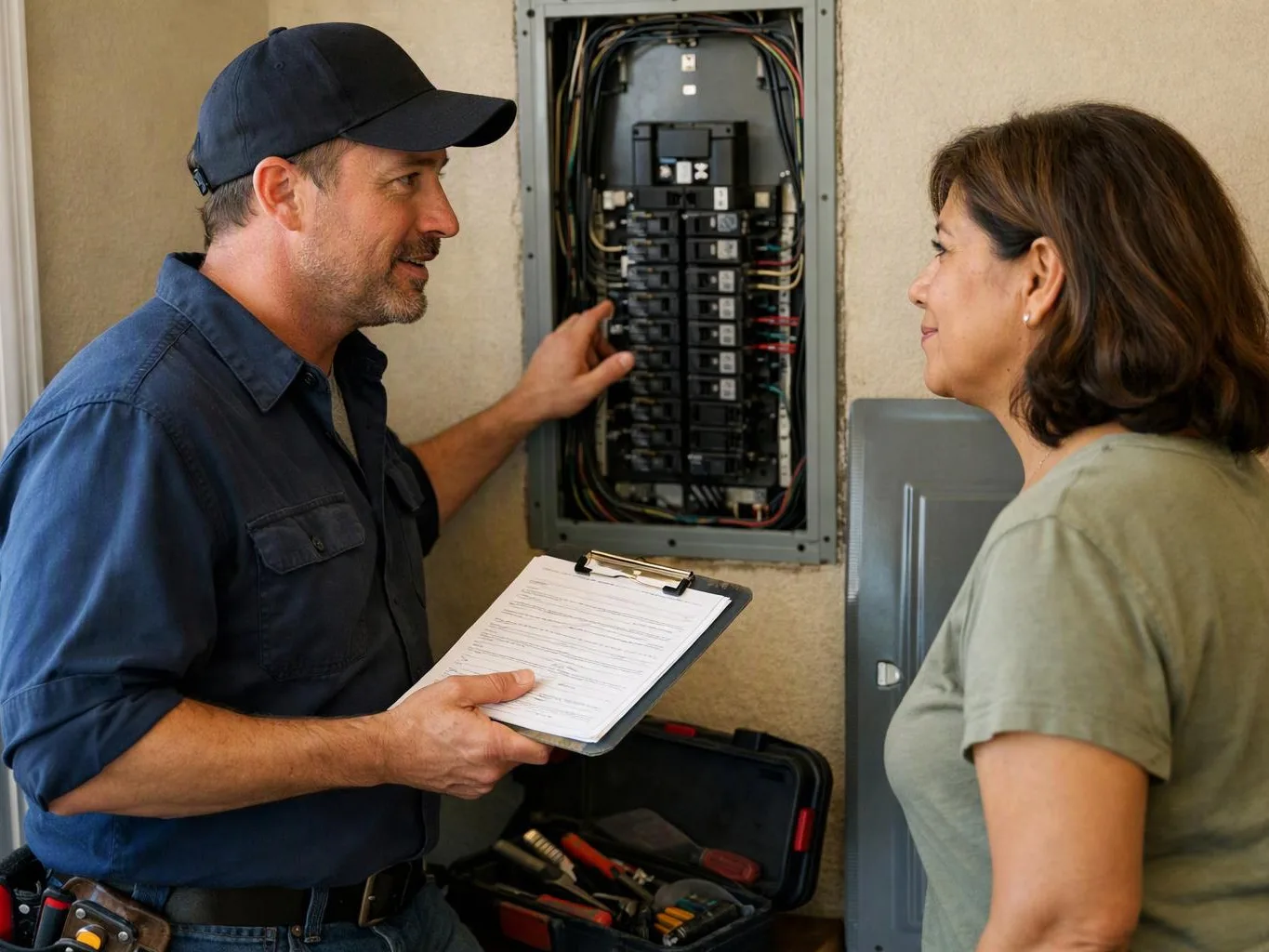
A technician points at an open electrical panel while holding a clipboard and speaking with a woman indoors

Service Overview

Bidirectional EV Charging System Installation is an electrical service that connects a two-way EV charger with the property’s power system.

  • The work differs from standard EV charging installation because the equipment can send power to the vehicle and support power flow back to the property.
  • Santa Ana Electrician provides this service for South Gate homes, businesses, landlords, and property managers.

What bidirectional EV charging installation includes

Santa Ana Electrician provides comprehensive Bidirectional EV Charging System Installation in South Gate. Here's what you get:

  • We inspect the service panel and calculate the electrical load for the planned charging equipment.
  • We plan the dedicated circuit and review whether a subpanel or panel upgrade is needed.
  • We connect the bidirectional charger and related wiring within the agreed electrical scope.
  • We assess transfer switch and energy meter placement when the system requires those parts.
  • We install or connect communication cable needed for system control and monitoring.
  • We test the electrical work and explain the completed setup.

What this charging setup changes for the property

Two-way charging supports a broader energy plan than a standard one-way EV charger.

A load calculation helps identify panel limits before equipment is installed.

Clear equipment planning reduces the risk of ordering parts that do not match the property.

Testing gives the owner a direct check of the installed wiring and connections.

The same electrical review can identify related concerns such as an overloaded circuit or faulty wiring.

Process

How we complete two-way EV charger installation

1

Review the property and charging goal

We discuss the vehicle, the property, and the customer’s goal for two-way power flow.

2

Check the panel and electrical load

We inspect the service panel, trace circuits, and complete a load calculation for the planned equipment.

3

Plan the equipment connections

We map the charger circuit and review the transfer switch, energy meter, battery storage, and communication cable needs.

4

Install the agreed electrical work

We install the wiring and connect the charging equipment within the approved project scope.

5

Test and explain the system

Testing and verification confirm the electrical connections, and we explain the completed setup and clear next steps.

What customers get from this charging work

A capacity-based equipment decision

The panel and load calculation guide the equipment plan. We do not treat every property as if it has the same electrical capacity.

A clear wiring scope

The work identifies the charger circuit, transfer switch needs, energy meter location, and communication cable path before installation begins.

A practical fit check

This service fits customers who want two-way EV power flow. A standard EV charging installation is the better job when the vehicle will only receive power.

Choosing the right EV charging setup

This comparison separates one-way charging from two-way charging by the customer’s intended use.

Charging optionPower flowBest fit
Standard EV chargerPower flows to the vehicleCustomers who only need vehicle charging
Bidirectional EV chargerPower can flow to the vehicle and back through the planned systemCustomers planning two-way energy use

The Santa Ana Electrician Standard

  • Initial Assessment
  • Systematic Troubleshooting
  • Safety-Minded Repairs
  • Clear Recommendations

Questions about bidirectional EV charging installation

What equipment is needed for bidirectional EV charging installation?

Santa Ana Electrician reviews the bidirectional charger, dedicated circuit, transfer switch, energy meter, battery storage, and communication cable. The exact equipment depends on the property’s panel and electrical load.

  • The panel determines available capacity.
  • The load calculation guides circuit planning.
  • Compatible equipment determines communication and control needs.

We explain which parts belong in the installation scope before providing a quote.

Which part of the property decides the scope of this charging installation?

The service panel and available electrical capacity decide the main installation scope. We inspect the panel, trace circuits, and complete a load calculation.

A long or difficult circuit path can change the wiring work. A panel upgrade or subpanel may also be needed when existing capacity does not support the planned equipment.

Which material changes how long the charging installation takes?

The wiring path and panel equipment affect the installation time most. We check whether the circuit can follow an accessible route and whether new electrical equipment is needed.

Transfer switch connections, energy meter placement, battery storage, and communication cable can add work to the project. We explain those factors after assessing the property.

How does a charging installation visit move from the first call to the last step?

The visit moves from a charging-goal discussion to an electrical inspection, equipment plan, installation, and testing.

  1. We review the vehicle and property goal.
  2. We inspect the panel and calculate the load.
  3. We plan the circuit and related equipment.
  4. We complete the agreed electrical work.
  5. We test the connections and explain the setup.

Our team provides the quote after the project scope is clear.

When is a standard EV charger a better fit?

A standard EV charger is a better fit when the vehicle only needs one-way charging. Bidirectional equipment is meant for customers who want two-way power flow.

We review the customer’s goal, panel capacity, and planned equipment before recommending the work. That keeps the installation aligned with how the property will use the charger.

Why might a transfer switch be part of the installation?

A transfer switch may be needed to control selected power paths between the charging equipment and the property. The system design decides whether it belongs in the scope.

We review the intended power flow, panel layout, and connected equipment before selecting the wiring approach. We do not add a transfer switch when the planned system does not require one.

What should a South Gate property owner share before requesting an assessment?

A property owner should share the panel location, vehicle and charger details, current electrical concerns, and the goal for two-way power flow. This information helps frame the first assessment.

Photos of the panel and charging area can help, but we still inspect the electrical work directly. Santa Ana Electrician serves homes, businesses, landlords, and property managers in the area.
Contact

Get a Free Estimate for Bidirectional EV Charging Installation in South Gate

Are you planning two-way EV charging for your property? Request a free estimate from Santa Ana Electrician, and urgent requests get priority scheduling.

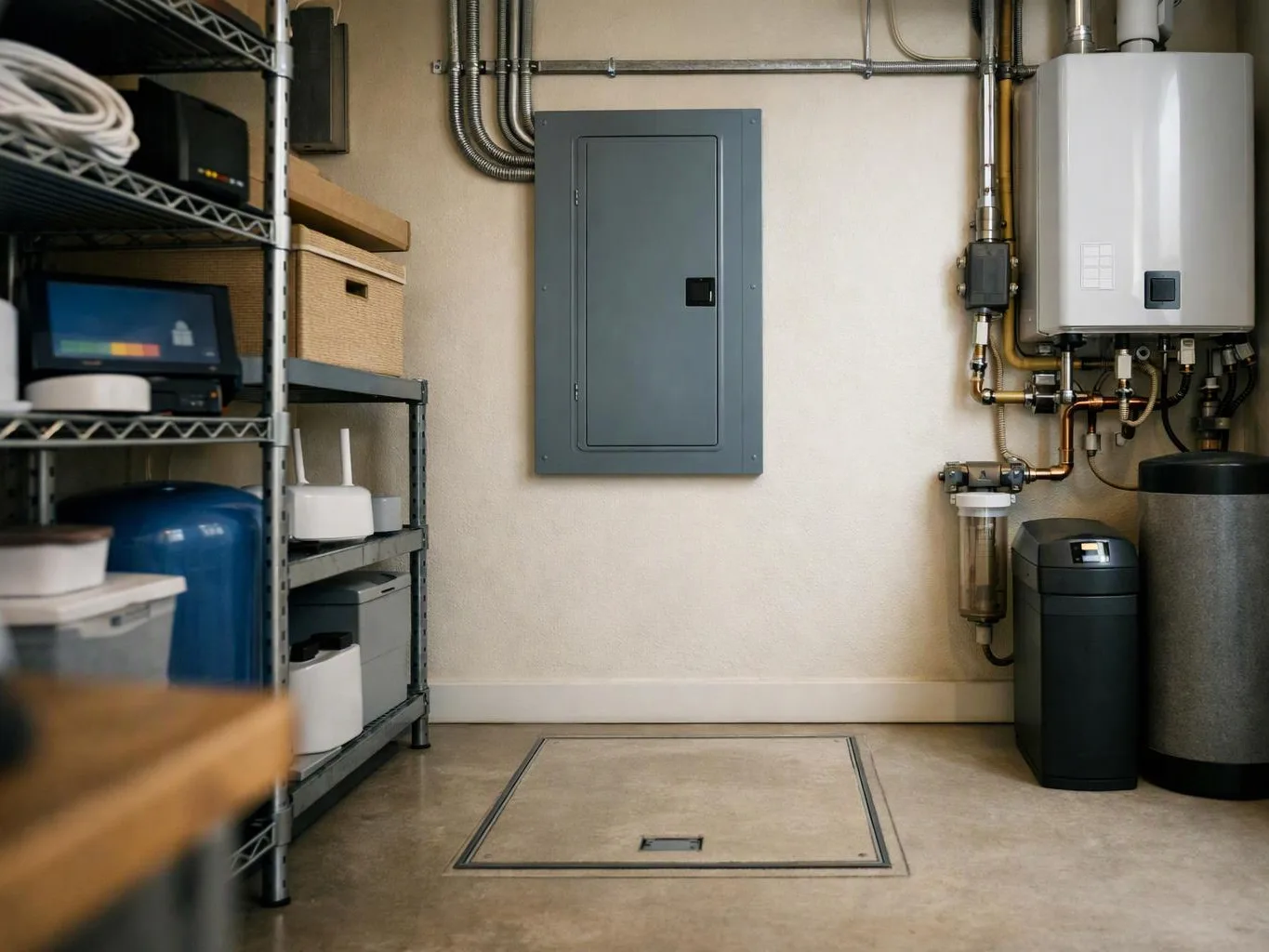
A utility room shows a gray electrical panel, shelves of equipment, and water treatment tanks with pipes along the wall

ZIP Codes We Serve in South Gate, California

90280

Bidirectional EV Charging System Installation in Other Areas

(949) 850-2844